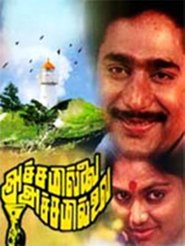
Achamillai Achamillai(1984)
Achamillai Achamillai is a 1984 Indian Tamil-language political drama film written and directed by K. Balachander. The film stars Rajesh as Ulaganathan and Saritha as Thenmozhi, with Pavithra, Delhi Ganesh, and Charle in supporting roles. The story follows an idealistic man who becomes corrupt after entering politics, leading to a tragic conflict with his wife. The film is a satire on the Indian political system, focusing on party switching and its impact on families. It won the National Film Award for Best Feature Film in Tamil and three Filmfare Awards South. The film was released on 18 May 1984 and was screened at the Indian Panorama section of the 10th International Film Festival of India.
Achamillai Achamillai is streaming on Eros Now and Amazon Prime Video.
Where to watch:Quick Facts
- Streaming on
- Eros Now, Amazon Prime Video, YouTube
- Theatrical Release
- 18 May 1984
- Director
- K. Balachander
- Language
- Tamil
- Runtime
- 2h 21m
- Rating
- 7.5/10
Storyline
Thenmozhi, a factory worker, marries Ulaganathan, a respected village idealist. When Ulaganathan enters politics, he becomes corrupt and power-hungry. He switches parties, takes a mistress, and ignores his wife. Thenmozhi must decide how far she will go to stop him from destroying their village.
“No fear. No fear. Until the end.”
Film Details
Parental Guide
Where to Watch
Vibe & Tags
Cast & Crew


Reunion Meter
Frequent partnerships reunited for Achamillai Achamillai
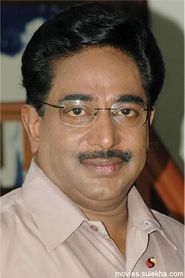
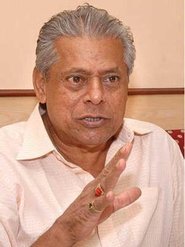
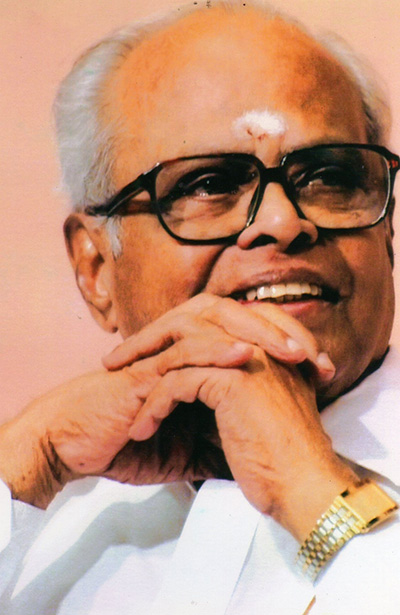
Cast reunions in this film: Charlie & Charle (102 films together), Delhi Ganesh & Charlie (16 films together), K. Balachander & Charlie (11 films together), Delhi Ganesh & Charle (8 films together), Saritha & K. Balachander (7 films together), and Saritha & Rajesh (6 films together).
Trivia
- The film's title translates to 'No Fear, No Fear' in English, reflecting its bold political themes.
- It was one of the few Tamil films to win both a National Film Award and multiple Filmfare Awards South in the same year.
- Director K. Balachander cast newcomer Pavithra in a key role, which helped launch her acting career.
- The story was inspired by real-life instances of political party-switching common in Indian politics at the time.
- Despite critical acclaim, the film had a modest commercial run, typical of many satirical films of that era.
- It features a cameo by veteran actor Delhi Ganesh, who was a frequent collaborator with Balachander.
- The screenplay was noted for its sharp dialogue, which avoided direct party names to maintain a universal appeal.