Dowry Kalyanam(1983)
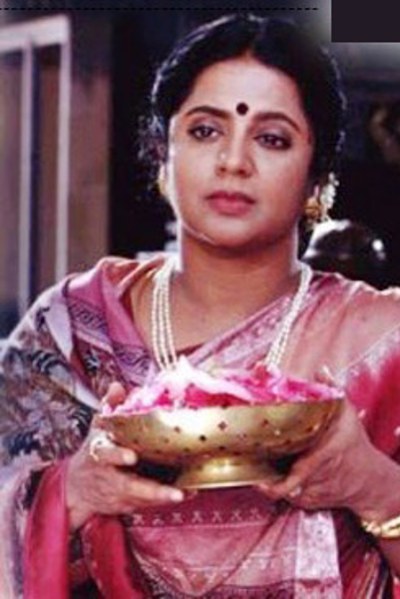
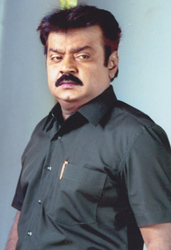
Dowry Kalyanam is a 1983 Indian Tamil-language comedy-drama film written and directed by Visu. The film stars Visu, Vijayakanth, Srividya, S. Ve. Shekher, and Viji in lead roles. The story is set in the town of Thiruninravur and follows Ganesan, a poor clerk who struggles to arrange a wedding for his sister Gowri while dealing with debt and a broken friendship. The film is based on Visu's stage play 'Dowry Kalyana Vaibhogame'. It was praised for its honest portrayal of the dowry system and strong performances, especially from Visu, M. N. Nambiar, and Srividya. The film was released on 1 July 1983 and later remade in Kannada as 'Madhuve Madu Tamashe Nodu'.
Quick Facts
- Streaming on
- Eros Now, Prime Video, YouTube
- Theatrical Release
- 31 December 1983
- Director
- Visu
- Language
- Tamil
- Runtime
- 2h 18m 0
Storyline
Ganesan is a poor clerk who wants to give his sister Gowri a grand wedding. He rejects help from his best friend Ethiraj after a fight. The groom's family demands a huge dowry. Ganesan struggles to raise the money while facing debt, tragedy, and family pressure. Can he save the wedding without losing everything?
“Dowry can break even the strongest friendship”
Film Details
Parental Guide
Where to Watch
Vibe & Tags
Cast & Crew


Reunion Meter
Frequent partnerships reunited for Dowry Kalyanam
Cast reunions in this film: M. S. Viswanathan & Manorama (63 films together), M. N. Nambiar & M. S. Viswanathan (46 films together), Venniradai Moorthy & Manorama (21 films together), Vijayakanth & M. N. Nambiar (19 films together), M. N. Nambiar & Manorama (19 films together), and M. S. Viswanathan & Srividya (13 films together).
Trivia
- The film was originally titled 'Sondha Kalam' before being changed to 'Dowry Kalyanam'.
- Director Visu also played the key role of Ganeshan's friend, the lawyer, in the movie.
- The movie's plot was inspired by real-life social issues and family disputes over dowry in the 1980s.
- It was one of the early films to feature actor S. Ve. Shekher in a notable supporting role.
- The climax courtroom scene was shot in a single, long take to maintain dramatic tension.
- Despite its serious theme, the film used comedy to critique the dowry system effectively.
- The movie's success led to discussions about dowry in many Tamil households at the time.