Gumasthavin Magal(1974)
Gumasthavin Magal is a 1974 Indian Tamil-language drama film directed by A. P. Nagarajan. The film stars Sivakumar, Aarathi, and Kamal Haasan. It is an adaptation of the stage play of the same name, which was based on Nirupama Devi's Bengali novel Annapurnaar Mandir. The story follows a poor clerk's daughter who becomes a widow on her wedding day and later commits suicide after being propositioned by her father's employer. The film was praised for its performances and emotional depth. It was released on 27 April 1974.
Gumasthavin Magal (1974) OTT release date is not officially announced yet — GudVibe tracks its streaming availability daily.
Where to watch:Quick Facts
- Theatrical Release
- 31 December 1974
- Director
- A. P. Nagarajan
- Language
- Tamil
- Runtime
- 2h 18m 0
Storyline
A poor clerk's daughter is forced into marriage with an old man. He dies on their wedding day. She becomes a widow. A rich philanderer offers her money to be his mistress. She refuses and takes her own life. Her death changes the lives of everyone around her.
“A tragedy that leads to redemption.”
Film Details
Parental Guide
Vibe & Tags
Cast & Crew

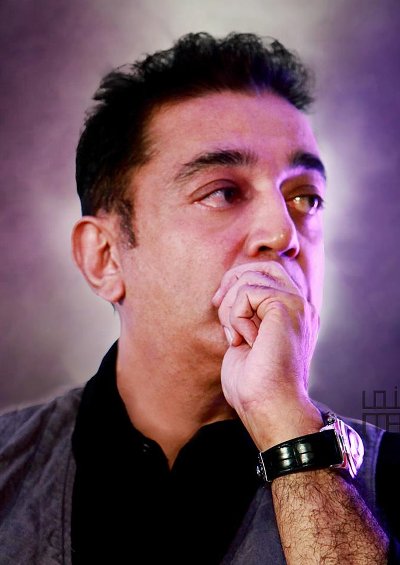

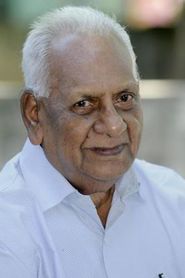


Reunion Meter
Frequent partnerships reunited for Gumasthavin Magal
Cast reunions in this film: Nagesh & Manorama (39 films together), Kamal Haasan & Manorama (25 films together), Kamal Haasan & Nagesh (19 films together), V. S. Raghavan & Nagesh (19 films together), Sivakumar & Manorama (19 films together), and Nagesh & Pandari Bai (15 films together).
Trivia
- This was the only film where director A. P. Nagarajan and actor Sivaji Ganesan worked together without mythological or historical themes.
- The film's story is based on a popular Tamil stage play, which was also adapted into other Indian language films.
- Actress Manjula, who played the lead, was primarily known as a dancer and this was one of her few major acting roles.
- The movie features a rare villainous role for actor M. R. Radha, who usually played character parts or comedies.
- It was produced and released by the director's own banner, Sri Rajarajeshwari Films, which he often used for his productions.
- The soundtrack by M. S. Viswanathan includes a famous lullaby ('Thaai Thindra Mannae') that remains popular in Tamil Nadu.
- Despite its serious social drama theme, the film performed moderately at the box office compared to the director's bigger mythological hits.