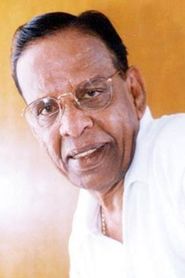
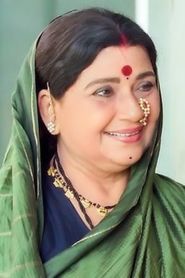
Nagesh & Pandari Bai Movies Together List — 16 Films
Complete Movies List & Collaboration History
Last updated: 2026-07-13 · Data sources: Wikipedia, TMDB
Nagesh and Pandari Bai appeared together in 16 Tamil films between 1963 and 1976. Their highest-rated collaboration was Deiva Magan (1969 — 8.3/10). Films span Kubera Theevu (1963) through Uzhaikkum Karangal (1976).
The Nagesh & Pandari Bai partnership
1969 was their peak — 3 films in twelve months. For 13 years, a Nagesh–Pandari film arrived almost every year. Remarkably even — every film rates between 6.5 and 8.3.
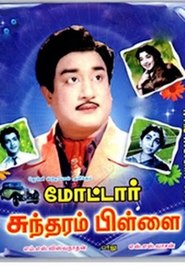
From Kubera Theevu (1963) to Uzhaikkum Karangal (1976). Motor Sundaram Pillai (1966, 7.5/10) is the underseen one in the catalogue.
The shape of the work
The 1960s account for 69% of everything they made together. The 1960s belonged to Deiva Magan; the 1970s to Gauravam. Nagesh acted in every film; Pandari Bai acted in all of them. Strictly Tamil cinema — they never crossed industries together.
Partnership facts
- Their first film together, Kubera Theevu (1963), was a fantasy comedy where Nagesh played a genie and Pandari Bai played a queen. Director K. Balachander paired them because he wanted a mature actress to ground Nagesh's manic energy — and Pandari Bai, already a star, agreed only after reading the full script.
- In Motor Sundaram Pillai (1966), Nagesh's character is a bumbling auto driver, and Pandari Bai plays his sharp-tongued wife. She set the rhythm of every scene — she'd deliver her lines deadpan, then pause just long enough for Nagesh to stumble into a punchline. He later said she 'taught him how to listen on screen.'
- Shanti Nilayam (1969) was a massive hit that directly inspired the 1972 Telugu film Pandanti Kapuram. The Telugu version copied the core family conflict — but the original's emotional weight came from the Nagesh-Pandari Bai pairing, which made the mother-son bond feel lived-in rather than melodramatic.
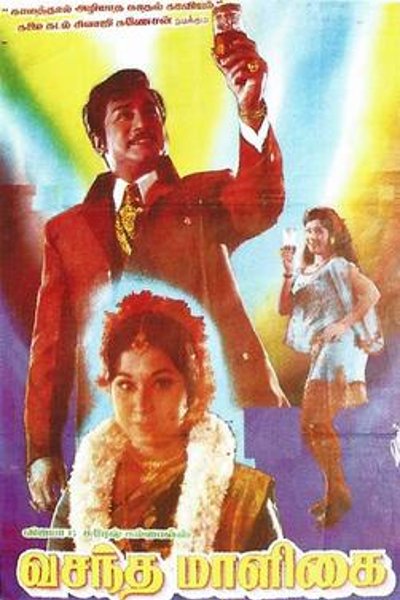
- Off-screen, Nagesh called Pandari Bai 'Akka' (elder sister) and she called him 'Kutti' (little one). On the sets of Vasantha Maligai (1972), she would pack extra idlis for him because he often skipped breakfast before morning shoots. He never forgot — he dedicated his 1975 autobiography to her.
16 films across 2 decades
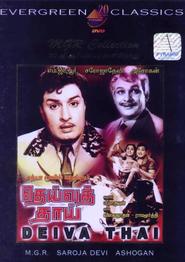
The 1960s brought 11 films together, anchored by Deiva Magan (8.3/10).
The 1970s brought 5 films together, anchored by Gauravam (7.5/10).
- Deiva Magan
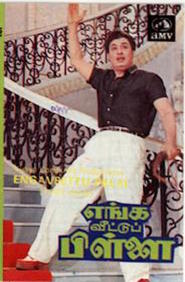
- Enga Veettu Pillai
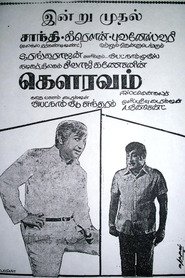
- Gauravam
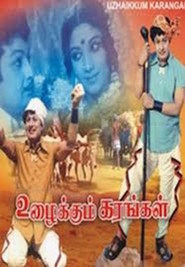
- Uzhaikkum Karangal
The partnership in numbers
Partnership Pattern
16 films across 13 years represents consistent collaboration.
Language Distribution
Linguistic diversity: 1 language, with Tamil being their primary medium.
Where each was in their career
36% of Pandari Bai's screen credits are with Nagesh. After Uzhaikkum Karangal, Nagesh kept going for 79 more films; Pandari Bai stepped back.
Before Kubera Theevu, Nagesh had starred in 3 films, including Annai (1962) and Policekaran Magal (1962).
After Uzhaikkum Karangal, Nagesh went on to appear in 79 more films, including Kadhal Kondein (2003) and Cheran Pandiyan (1991).
Before Kubera Theevu, Pandari Bai had starred in 11 films, including Irumbu Thirai (1960) and Kuravanji (1960).
After Uzhaikkum Karangal, Pandari Bai went on to appear in 17 more films, including Enakkul Oruvan (1984) and Uyarndhavargal (1977).
Collaboration Journey
A chronological view of Nagesh & Pandari Bai's professional partnership
Actors and musicians who worked on most of their films
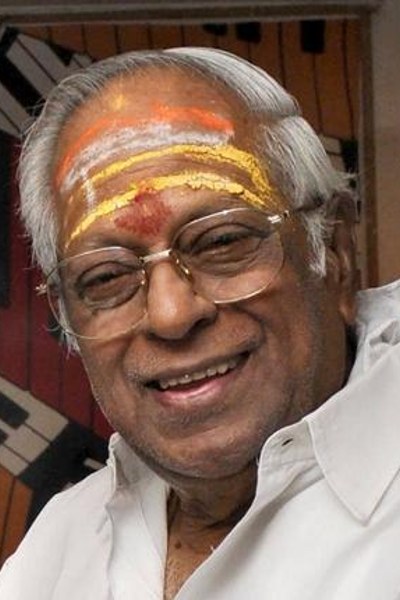
M. S. Viswanathan is the through-line — music on 9 of their 16 films. M. S. Viswanathan scored 9 of them. They worked with the same 13 people again and again — a small repertory company.
 6
6 5
5 5
5 5
5 4
4 4
4 3
3 3
3 33
33 3
3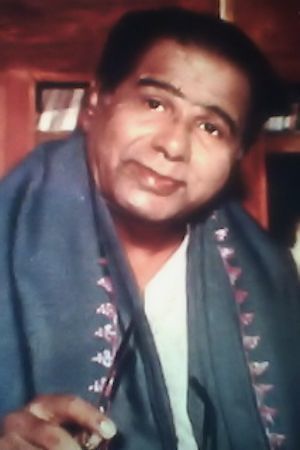 2
2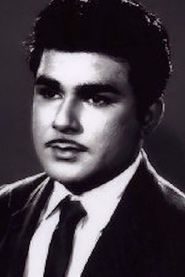 2
2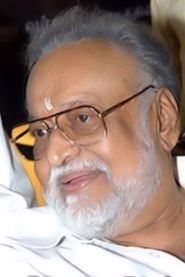 2
2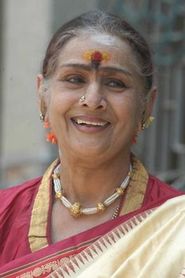 22
22 2
2 2
2 2
2 2
2 2
2



 92
92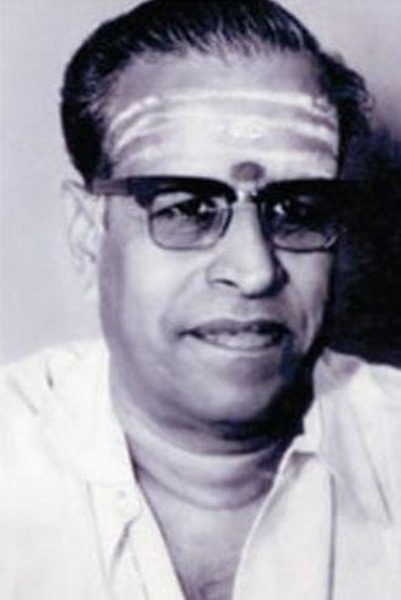 3
3Other iconic Tamil director-actor duos
Discover other partnerships with comparable filmographies and ratings
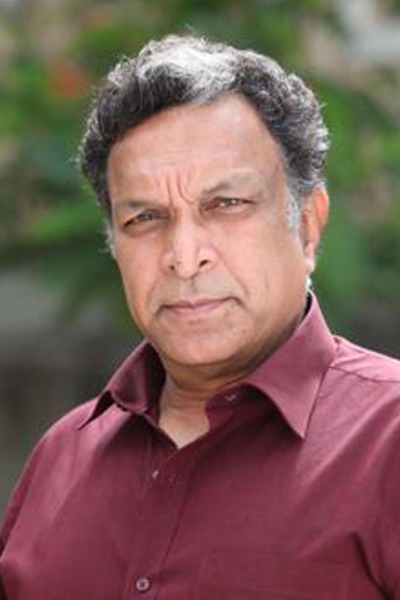 Nassar
 G. V. Prakash Kumar
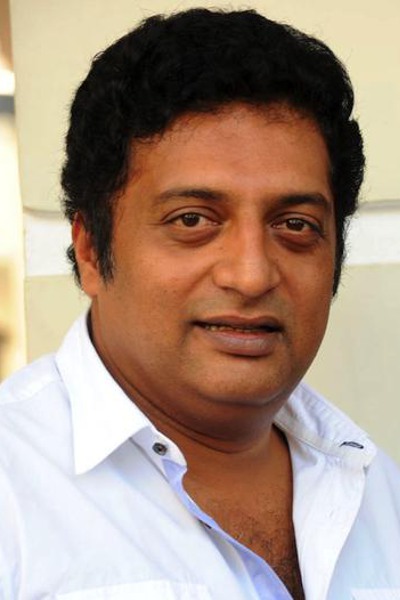 Prakash Raj
 Trisha Krishnan
 Thambi Ramaiah
 Samuthirakani
 Balu Mahendra
 IlayarajaNassar
 M. S. Bhaskar
 Rajinikanth
 Suruli rajan