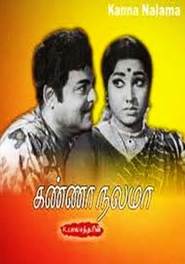
Kanna Nalama(1972)
Kanna Nalama is a 1972 Tamil-language drama film starring Jayalalithaa in the lead role. The film follows Kanna, a village woman who discovers she was adopted and faces rejection from her biological mother and fiancé. After being abandoned while pregnant, she moves to the city and becomes a successful seamstress. Years later, she forgives her now-penniless mother and reunites the family. The film is known for its emotional depth and strong female lead. It was a commercial success and is remembered as a classic of Tamil cinema. The movie was released in 1972 and is available on select streaming platforms.
Quick Facts
- Streaming on
- YouTube
- Theatrical Release
- 12 January 1972
- Director
- K. Balachander
- Language
- Tamil
- Runtime
- 2h 35m 0
Storyline
Kanna lives a happy life in her village until a letter reveals she was adopted. Her biological mother rejects her, and her fiancé abandons her when she becomes pregnant. Alone and heartbroken, Kanna must decide whether to give up her baby or fight for a new life. Her journey of survival and forgiveness changes everything.
“Forgiveness is the greatest love.”
Film Details
Parental Guide
Where to Watch
Vibe & Tags
Cast & Crew
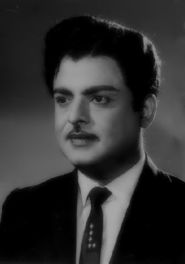


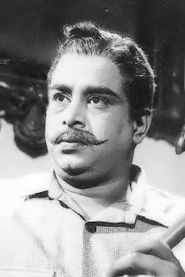


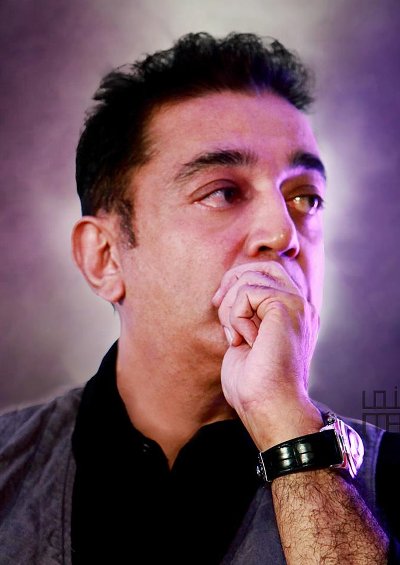
Reunion Meter
Frequent partnerships reunited for Kanna Nalama
Cast reunions in this film: Nagesh & Major Sundarrajan (43 films together), Nagesh & Manorama (39 films together), Manorama & Major Sundarrajan (29 films together), Kamal Haasan & Manorama (25 films together), Nagesh & Gemini Ganesan (25 films together), and Kamal Haasan & K. Balachander (21 films together).
Trivia
- This was Kamal Haasan's first film as a solo lead actor, not just a child actor or part of an ensemble.
- Director K. Balachander originally planned to make this as a stage play before adapting it into a film.
- The film's title is a common Tamil phrase meaning 'Is it okay, Kanna?' often used to comfort a child.
- It features one of the earliest film scores by renowned composer M.S. Viswanathan for a Balachander film.
- The story deals with a sensitive father-son relationship, a recurring theme in Balachander's early work.
- Despite its critical focus on family drama, the film was not a major commercial success upon release.