Kaviya Thalaivi(1970)
Kaviya Thalaivi is a 1970 Indian Tamil-language drama film directed by K. Balachander. The film stars Sowcar Janaki in a dual role alongside Gemini Ganesan, Ravichandran, and M. R. R. Vasu. The story follows Devi, a woman forced into an abusive marriage who escapes and builds a new life as a dancer in Hyderabad. When her past threatens her daughter's future, she makes a desperate choice to protect her family. A remake of the Bengali film Uttar Falguni (1963), the film was praised for its strong performances and sharp dialogue. Gemini Ganesan won the Tamil Nadu State Film Award for Best Actor for his role. The film was released on Diwali day 1970 and became a commercial success.
Quick Facts
- Streaming on
- YouTube
- Theatrical Release
- 22 October 1970
- Director
- K. Balachander
- Language
- Tamil
- Runtime
- 2h 44m 0
Storyline
Devi is forced to marry an abusive drunkard. She escapes and starts a new life as a dancer in Hyderabad. When a dangerous man threatens her daughter's safety, Devi must make an impossible choice to protect the child she loves.
“A mother's love has no limits”
Film Details
Parental Guide
Where to Watch
Vibe & Tags
Cast & Crew
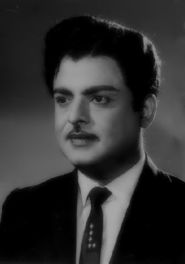

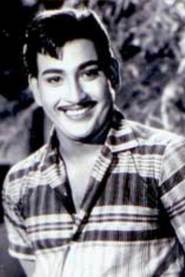
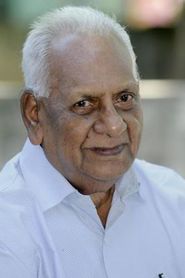
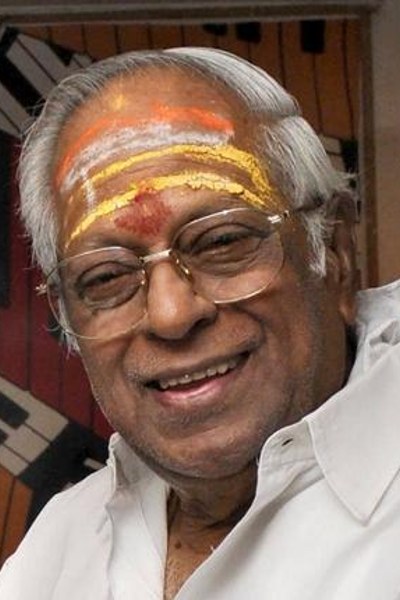
Reunion Meter
Frequent partnerships reunited for Kaviya Thalaivi
Cast reunions in this film: K. Balachander & M. S. Viswanathan (27 films together), M. S. Viswanathan & Gemini Ganesan (27 films together), Ravichandran & M. S. Viswanathan (20 films together), V. S. Raghavan & M. S. Viswanathan (16 films together), M. S. Viswanathan & Sowcar Janaki (13 films together), and Sowcar Janaki & Gemini Ganesan (12 films together).
Trivia
- The film was originally titled 'Kaviyath Thalaivi' but was released with the spelling 'Kaviya Thalaivi', a small change that sometimes causes confusion.
- This was one of the few films where actor Muthuraman played a negative role, portraying the alcoholic husband Paranthaman.
- Actress Jayalalithaa performed her own classical dance sequences in the movie, showcasing her trained Bharatanatyam skills.
- The movie's soundtrack by M.S. Viswanathan was a hit, with the song 'Avalukkenna' becoming particularly popular for its melancholy tone.
- Director K. Balachander used the film to subtly critique societal pressures on women, a recurring theme in his later iconic works.
- The filming included locations in Hyderabad, which was less common for Tamil films of that era compared to Madras or hill stations.
- Despite its dramatic plot, the film did not perform strongly at the box office, unlike many of Balachander's subsequent films.