Zakhmi Aurat(1988)
Zakhmi Aurat (English: Wounded Woman) is a 1988 Indian Hindi drama film directed by Avtar Bhogal. The film stars Dimple Kapadia as Inspector Kiran Dutt and Raj Babbar as Suraj Prakash. The story follows a police officer who is gang-raped and later takes revenge by castrating the rapists after the legal system fails to convict them. The film is inspired by the 1986 American thriller The Ladies Club. It was a financial success but received polarized critical reactions, with praise for Kapadia's performance and criticism for its graphic rape scene. The dialogues by Iqbal Durrani became popular. The film was released in 1988.
Quick Facts
- Streaming on
- ShemarooMe, Plex
- Theatrical Release
- 31 December 1988
- Director
- Avtar Bhogal
- Language
- Hindi
- Rating
- 4.3/10
Storyline
Inspector Kiran Dutt is a brave police officer who is brutally gang-raped by three goons. When the court sets them free, her faith in justice shatters. She forms a secret group of other rape victims to hunt down and castrate the men who hurt them.
“When justice fails, women fight back.”
Film Details
Parental Guide
Where to Watch
Vibe & Tags
Cast & Crew



Reunion Meter
Frequent partnerships reunited for Zakhmi Aurat
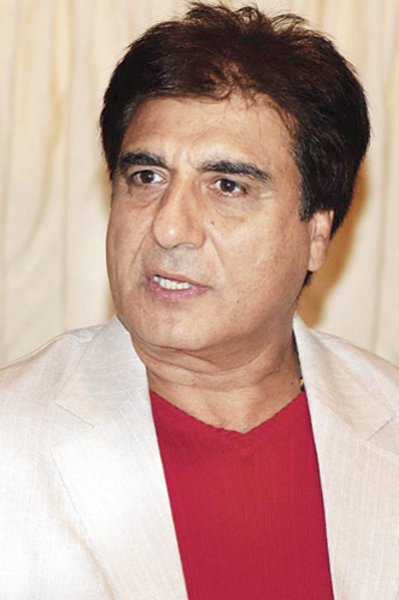
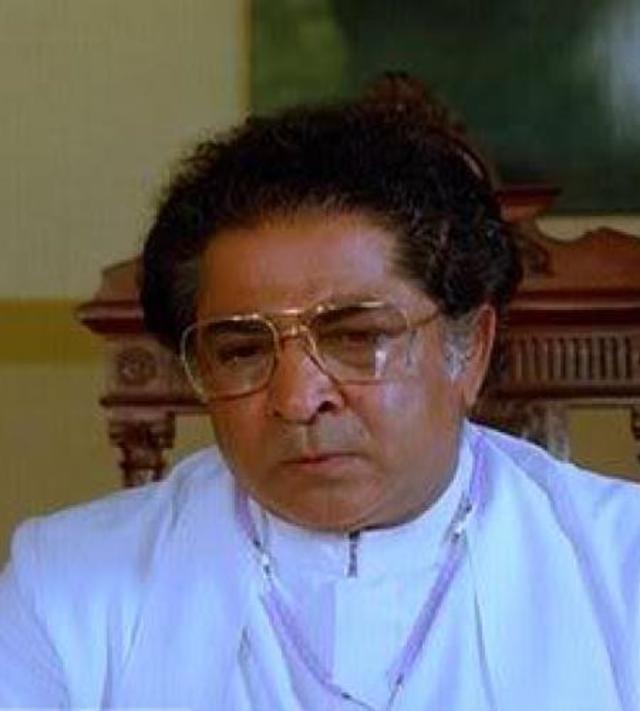
Cast reunions in this film: Aruna Irani & Satyendra Kapoor (14 films together), Anupam Kher & Aruna Irani (13 films together), Dimple Kapadia & Raj Babbar (13 films together), Raj Babbar & Aruna Irani (13 films together), Satyendra Kapoor & Om Shivpuri (12 films together), and Anupam Kher & Beena Banerjee (10 films together).
Trivia
- The film was inspired by real-life cases of rape acquittals in India during the 1980s.
- It was one of the earliest mainstream Hindi films to feature an all-female vigilante group as central characters.
- Actress Dimple Kapadia performed many of her own action stunts for her role as Inspector Kiran Dutt.
- The movie faced censorship challenges due to its graphic depiction of violence and revenge themes.
- It was produced on a modest budget but became a commercial success, especially in smaller towns.
- The soundtrack, composed by Bappi Lahiri, included a popular disco-style song 'Tumse Milkar'.
- Director Avtar Bhogal was known for making films with strong social messages, often focusing on women's issues.