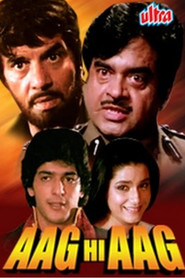
Aag Hi Aag(1987)
Aag Hi Aag is a 1987 Indian Hindi-language action film directed by Shibu Mitra. It stars Dharmendra, Moushumi Chatterjee, Shatrughan Sinha, and introduces Chunky Pandey. The story follows army officer Bahadur Singh, who turns to a life of crime after the police fail to bring his sister's killers to justice. He joins a gang of bandits and becomes Sher Singh. Years later, his past catches up with him when the son of a man he killed seeks revenge. The film was a commercial success, ranking as the fourth highest-grossing Indian film of 1987. It is known for its action sequences and music by Bappi Lahiri. The film was released on 3 April 1987.
Quick Facts
- Streaming on
- SonyLiv, YouTube, Airtel Xstream Play, YuppTV, Plex
- Theatrical Release
- 3 April 1987
- Director
- Shibu Mitra
- Language
- Hindi
- Runtime
- 2h 50m
- Rating
- 5.5/10
Storyline
Army officer Bahadur Singh's sister is raped and killed. The corrupt police refuse to help. So he becomes a dacoit named Sher Singh. He accidentally kills a doctor. He repents and surrenders. Years later, the doctor's son wants revenge. Bahadur Singh must protect his family from the past.
“Fire everywhere. Revenge everywhere.”
Film Details
Parental Guide
Where to Watch
Vibe & Tags
Cast & Crew
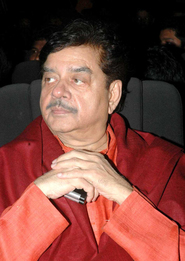



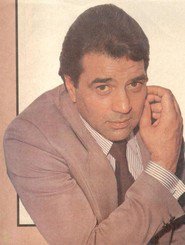
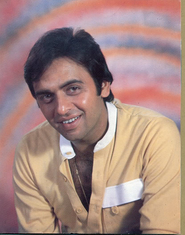


Reunion Meter
Frequent partnerships reunited for Aag Hi Aag
Cast reunions in this film: Gulshan Grover & Shakti Kapoor (44 films together), Shakti Kapoor & Dharmendra (24 films together), Neelam & Neelam Kothari (17 films together), Gulshan Grover & Danny Denzongpa (11 films together), Shakti Kapoor & Shatrughan Sinha (10 films together), and Shakti Kapoor & Om Shivpuri (10 films together).
Trivia
- The film's title 'Aag Hi Aag' translates to 'Fire Only Fire', symbolising the protagonist's burning quest for vengeance.
- It was one of several revenge dramas released in the late 1980s inspired by the success of films like 'Zakhmi Aurat'.
- Actor Mithun Chakraborty, known for disco hits, took a more serious action-hero role in this film.
- The movie features a soundtrack by Bappi Lahiri, who was the dominant music composer for commercial cinema at the time.
- A subplot involves the hero's army background, a common trope used to justify a character's combat skills in such films.
- The film's climax, set in a factory, is typical of the era's preference for industrial locations for final confrontations.
- Despite its dramatic plot, the film did not become a major box office success compared to other Mithun Chakraborty starrers of the period.