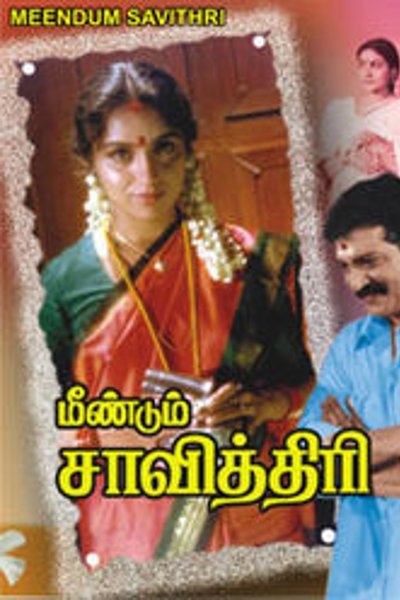
Meendum Savithri(1996)
Meendum Savithri is a 1996 Indian Tamil-language drama film directed by Visu. The film stars Revathi, Ramesh Aravind, and Saranya Ponvannan in lead roles. The story follows Revathi, a working woman who marries a man seeking no dowry, only to discover his family was acting and he has a hidden past involving a previous marriage and mental breakdown. The film explores themes of deception, mental health, and second chances. It is a remake of Visu's own 1993 Kannada film of the same name. Meendum Savithri was released in theatres in 1996.
Quick Facts
- Streaming on
- ErosNow, Prime Video, Airtel Xstream Play, YouTube, ZengaTV
- Theatrical Release
- 9 February 1996
- Director
- Visu
- Language
- Tamil
- Runtime
- 2h 20m
- Rating
- 2.7/10
Storyline
Revathi, a kind working woman, answers a newspaper ad from a groom who wants no dowry. She marries Raju, but on their wedding night he attacks her. She discovers his family was pretending to be sick and that Raju has a tragic past involving a first wife and a mental breakdown. Revathi must decide whether to stay or help him heal.
“A wedding night that changed everything”
Film Details
Parental Guide
Where to Watch
Vibe & Tags
Cast & Crew


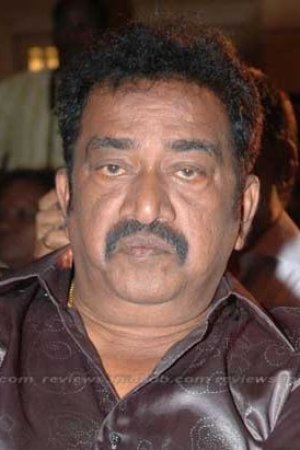
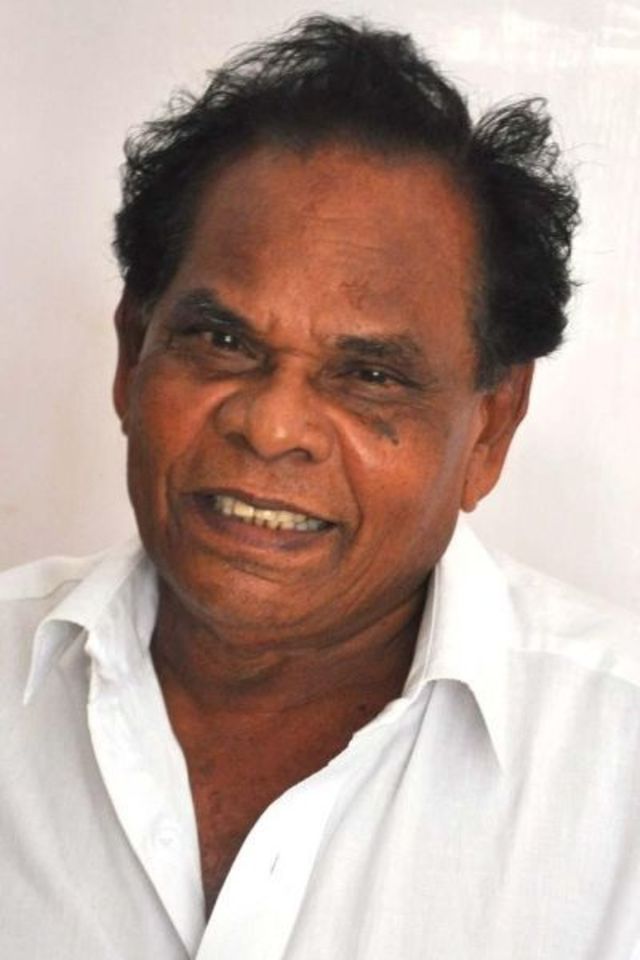
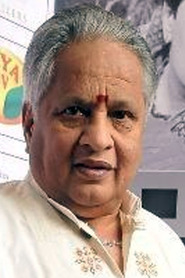
Reunion Meter
Frequent partnerships reunited for Meendum Savithri
Cast reunions in this film: Nizhalgal Ravi & Revathi (10 films together), Jaiganesh & Jai Ganesh (10 films together), Nizhalgal Ravi & Visu (7 films together), Nizhalgal Ravi & Raja (7 films together), Nizhalgal Ravi & Pandu (5 films together), and Nizhalgal Ravi & Saranya Ponvannan (3 films together).
Trivia
- The film's title 'Meendum Savithri' references the 1941 Tamil classic 'Savithri', drawing a thematic link to strong female characters.
- Director Visu also wrote the screenplay, continuing his signature style of socially conscious family dramas.
- The movie was shot primarily in Chennai, with several scenes filmed in real middle-class neighborhood settings.
- Actress Radhika, who played Manju, was already a well-known star in Tamil and Telugu cinema by this time.
- The film's plot was considered progressive for its era by challenging dowry practices in marriage.
- It was released during a period when director Visu was consistently making films about social issues in Tamil Nadu.
- The soundtrack was composed by Sirpy, who was a frequent collaborator with director Visu in the 1990s.