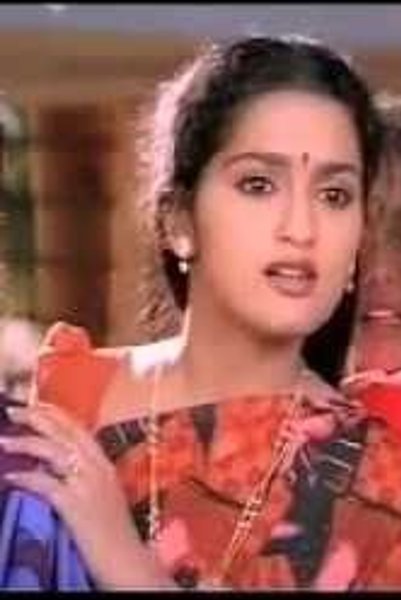
Kaalam Maari Pochu(1996)
Kaalam Maari Pochu (transl. The times have changed) is a 1996 Indian Tamil-language comedy film directed by V. Sekhar. The film stars Pandiarajan, Sangita, Vadivelu, Kovai Sarala, R. Sundarrajan, and Rekha. The story follows a father who favours his son over his four daughters, forcing three of them into marriages with men who demand no dowry. The daughters suffer under greedy husbands and a selfish brother until the family confronts its deep-seated biases. The film was praised for its honest portrayal of middle-class family struggles and won Vadivelu the Tamil Nadu State Film Award for Best Comedian. It was released on 13 April 1996 and ran for 175 days in theatres. The film was remade in Telugu, Malayalam, and Kannada.
Quick Facts
- Streaming on
- Apple TV, Prime Video
- Theatrical Release
- 13 April 1996
- Director
- V. Shekar
- Language
- Tamil
- Runtime
- 2h 35m
- Rating
- 3.4/10
Storyline
A traditional father believes his son is his only heir and treats his four daughters as burdens. He forces three daughters into marriages with men who ask for no dowry. The daughters suffer under greedy husbands and a selfish brother. The family must learn that times have changed and daughters deserve equal love and respect.
“Times have changed. Have you?”
Film Details
Parental Guide
Where to Watch
Vibe & Tags
Cast & Crew



Reunion Meter
Frequent partnerships reunited for Kaalam Maari Pochu
Cast reunions in this film: Vadivelu & Deva (36 films together), Deva & Vinu Chakravarthy (19 films together), Vadivelu & Kovai Sarala (18 films together), Kovai Sarala & Deva (14 films together), Vadivelu & Venniradai Moorthy (12 films together), and Pandiarajan & Deva (11 films together).



Trivia
- The film's title is a Tamil proverb meaning 'Time has changed,' reflecting the father's shifting perspective.
- Director V. Sekhar is known for comedy films, making this family drama a rare departure from his usual style.
- Actress Roja, who plays a key role, was a popular heroine in the 1990s but often starred in more glamorous roles than this dramatic part.
- The movie released during a period when Tamil cinema frequently explored themes of family conflict and gender roles.
- It features music by composer Sirpy, who was less famous than top music directors of that era like A.R. Rahman.
- The story highlights the value of daughters in a patriarchal society, a theme that resonated with many audiences at the time.
- Some scenes were shot in typical middle-class Chennai settings to make the family's struggles feel realistic and relatable.