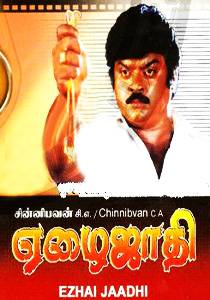
Ezhai Jaathi(1993)
Ezhai Jaathi (transl. Poor Caste) is a 1993 Indian Tamil-language political action drama film written and directed by Liaquat Ali Khan. The film stars Vijayakanth and Jaya Prada in lead roles. The story follows Subhash Chandra Bose, the son of a wealthy industrialist, who fights for the rights of poor slum dwellers exploited by corrupt politicians using caste. The film features a supporting cast including Vijayakumar, M. N. Nambiar, Manorama, and Mansoor Ali Khan, with a special appearance by Prabhu Deva. Its soundtrack was composed by Ilaiyaraaja. Critics praised the film's punchy dialogues and ability to hold attention, though some noted its length could have been trimmed. The film was released on 19 February 1993.
Ezhai Jaathi (1993) OTT release date is not officially announced yet — GudVibe tracks its streaming availability daily.
Where to watch:Quick Facts
- Theatrical Release
- 19 February 1993
- Director
- Liqakat Ali Khan
- Language
- Tamil
- Rating
- 3.9/10
Storyline
Subhash Chandra Bose is the son of a rich industrialist who controls governments. But Subhash has a different heart. He stands with the poor people of the slums and teaches them their rights. He takes on a powerful minister and his son who have committed many crimes. Can one man defeat a corrupt system?
“One man. One fight. One poor caste.”
Film Details
Parental Guide
Vibe & Tags
Cast & Crew
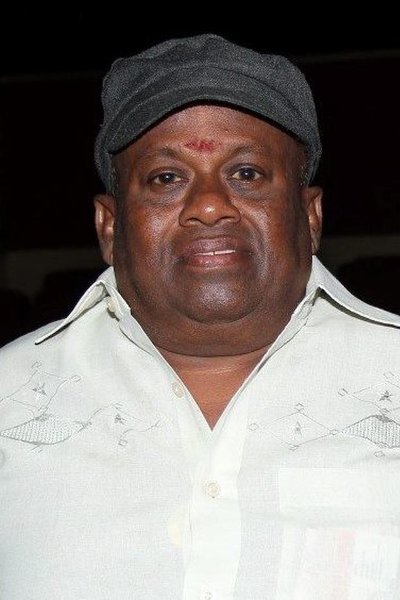

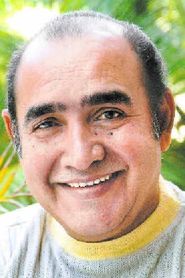
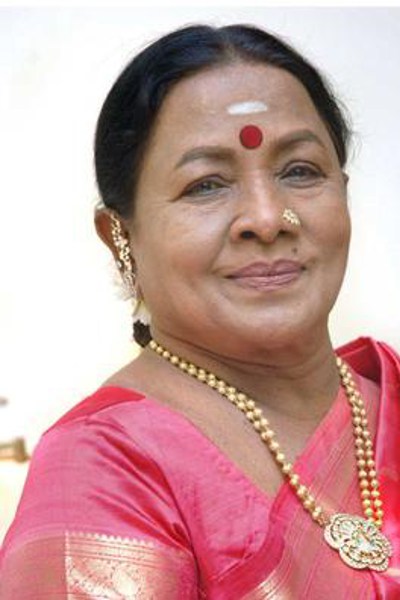
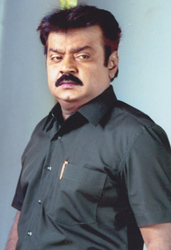
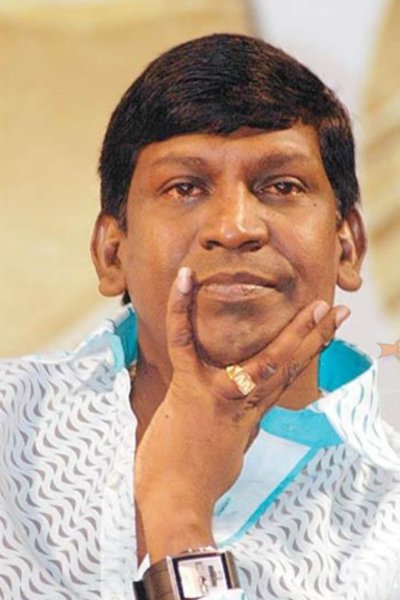
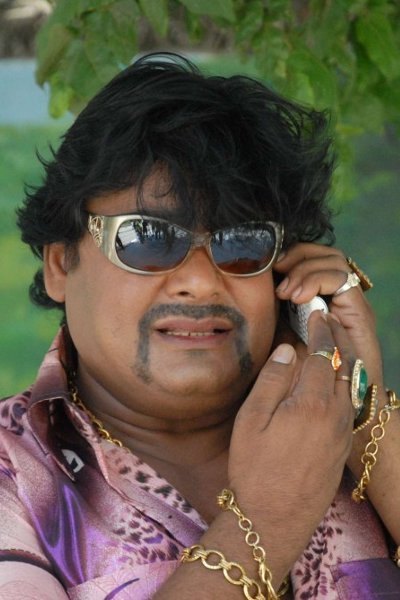
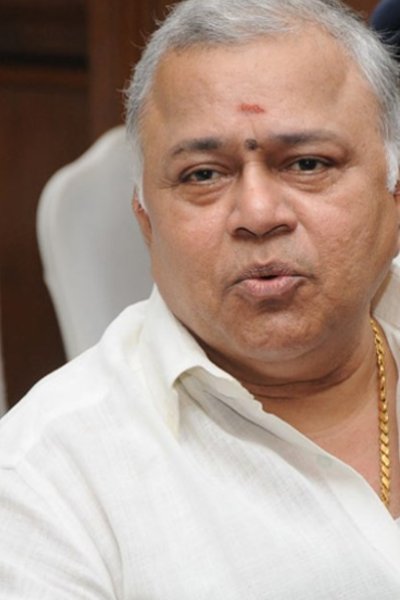
Reunion Meter
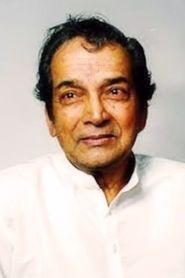
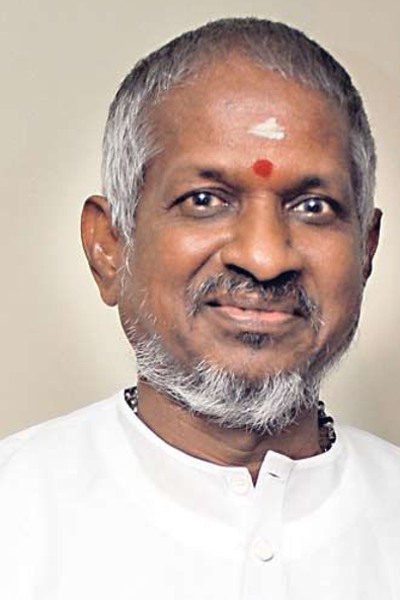
Frequent partnerships reunited for Ezhai Jaathi
Cast reunions in this film: Senthil & Ilayaraja (72 films together), Ilayaraja & Manorama (60 films together), Vijayakanth & Ilayaraja (50 films together), Ilayaraja & Vijayakumar (44 films together), Senthil & Manorama (41 films together), and Ilayaraja & Radha Ravi (37 films together).
Trivia
- The film's title 'Ezhai Jaathi' translates to 'Poor Caste', directly highlighting its focus on class struggle and social inequality.
- Director Liaquat Ali Khan was known for his socially conscious films, and this was one of his few major Tamil directorial ventures.
- The movie features a cameo by veteran actor Nizhalgal Ravi in a supporting role as a key ally to Vijayakanth's character.
- It was released during a period in the early 1990s when Tamil cinema saw a surge in political dramas addressing corruption.
- The climax involving a proletariat revolution was considered bold for its time and drew comparisons to some contemporary Marxist narratives in theatre.
- Music was composed by Ilaiyaraaja, but the soundtrack is less remembered compared to his other prolific work from that era.
- The film's narrative structure, where the hero initially fails in electoral politics, was a departure from typical Vijayakanth action films of the period.