Jayanan Vincent
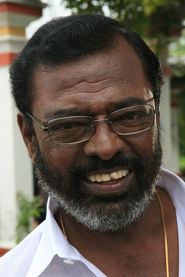
Jayanan Vincent is an Indian cinematographer, best known for Tamil cinema. Jayanan Vincent began their career in 1984. With 30 credits to their name, Jayanan Vincent remains one of the most prolific and celebrated talents in the industry. Spanning 40+ years, Jayanan Vincent's career remains one of the longest and most celebrated in Tamil cinema.
Career Milestones
Film debut
View film →Highest rated: Nalla Thambi (7.5)
View film →Jayanan Vincent by the Numbers
If you watched every Jayanan Vincent film back-to-back, you'd be at it for roughly 1 day and 11h. Most-paired with Nassar — 4 films together.
Filmography
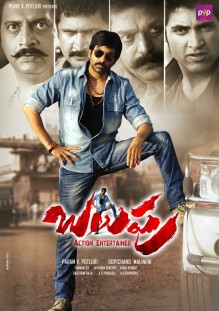
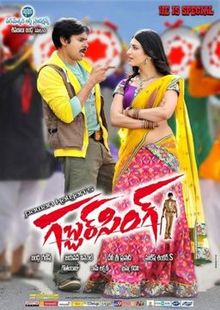
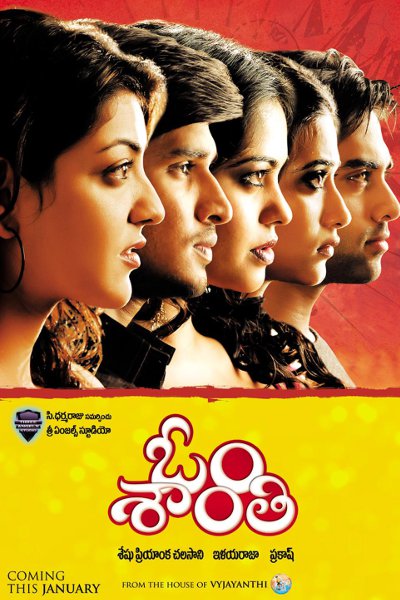
See all 30 credits →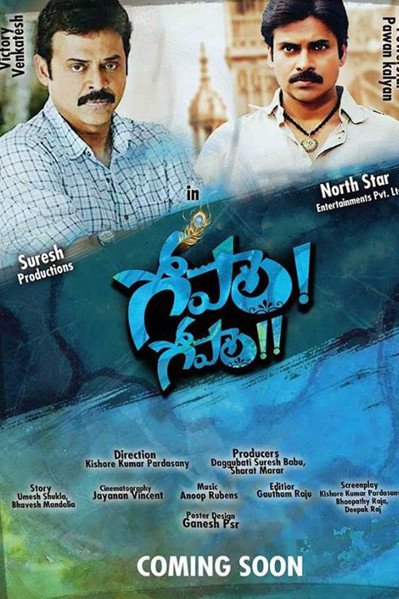
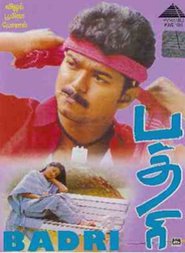
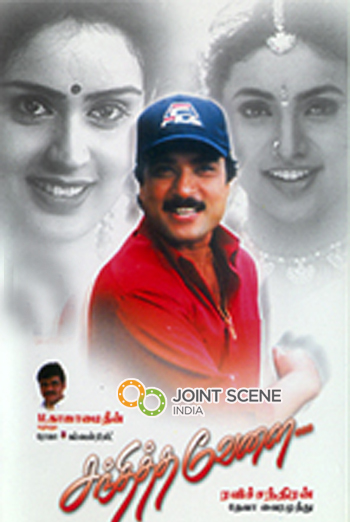

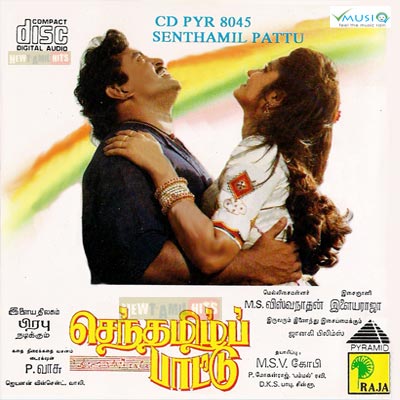
Collaboration Network
The Constellation
Top 10 most-paired collaborators. Bubble size and line thickness reflect how many films they share with Jayanan Vincent.
Career Analytics
Language Distribution
Films by Decade
Top Co-Actors
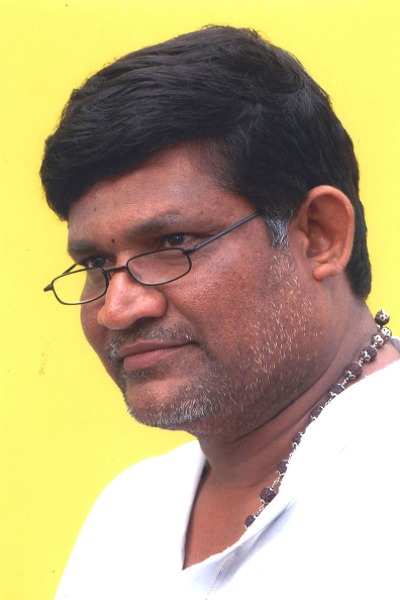
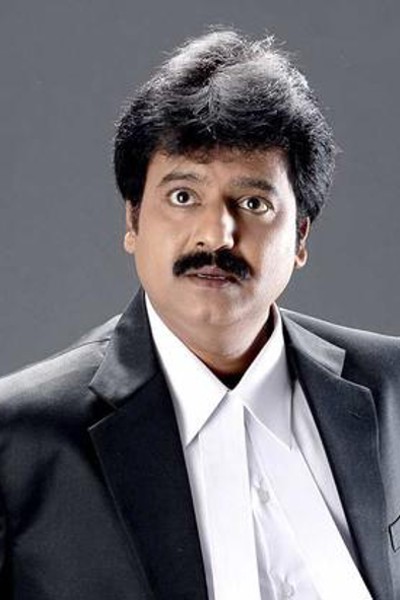
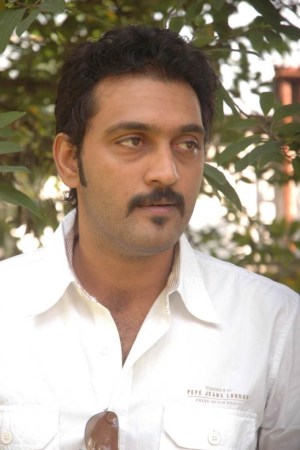
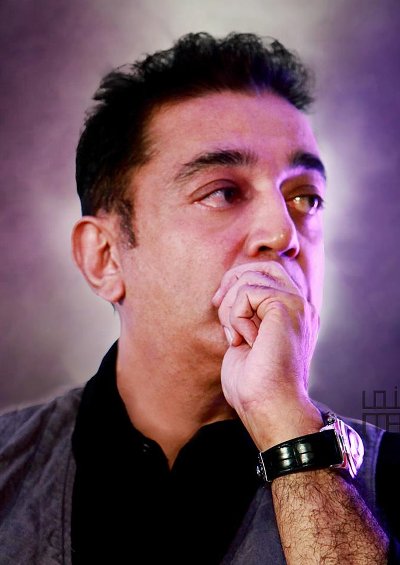
See all →Jayanan Vincent has worked most frequently with P. Vasu (2 films), Nassar (4 films), Sathyaraj (3 films), Goundamani (3 films), and Tanikella Bharani (2 films).

Legacy & Influence
Jayanan Vincent, born Vincent, was a pioneering cinematographer and director in South Indian cinema, particularly active in Malayalam and Tamil films from the 1950s through the 1970s. His primary and most significant contribution lies in his groundbreaking work as a cinematographer, where he is widely credited with introducing and popularizing the technology and art of color cinematography to the Malayalam film industry. His cinematography for the 1964 Malayalam film 'Bhargavi Nilayam,' directed by A. Vincent, is historically recognized as the first full-length Malayalam film to be shot in color. This technical and artistic leap was transformative, moving the industry from black-and-white productions and setting a new visual standard that influenced the aesthetic direction of Malayalam cinema for decades. His collaboration with director A. Vincent (no relation) was particularly notable, and he served as the cinematographer for several of the director's early, influential works. As a director, Jayanan Vincent helmed a number of films, including 'Koottukudumbam' (1969), 'Moodal Manju' (1970), and 'Thettu' (1971). While his directorial ventures contributed to the cinematic landscape of the time, his enduring legacy is firmly rooted in his technical prowess and role as a visual innovator. By mastering and implementing color film processes during a formative period for the industry, he directly shaped the visual vocabulary of Malayalam cinema, enabling future generations of cinematographers and filmmakers to explore richer narrative and emotional depths through color. His career trajectory from a cinematographer who changed the technological paradigm to a director demonstrates a multifaceted involvement in filmmaking, though his historical importance is most consistently tied to his seminal work behind the camera during cinema's transition to color.