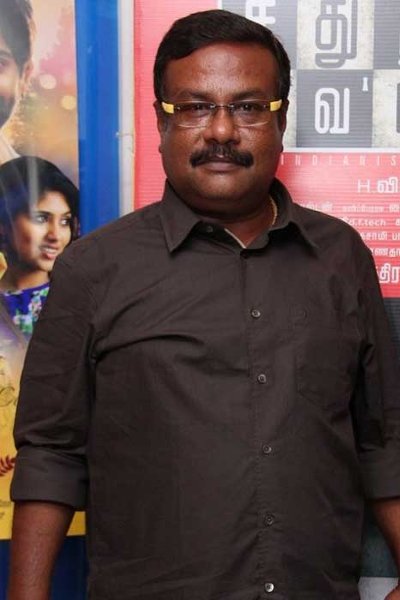
Ilavarasu
Ilavarasu is an Indian actor, best known for Tamil cinema. Ilavarasu began their career in 2000 and has been a prominent figure in the industry for over 26 years. With over 150 credits to their name and an average audience rating of 6.5, Ilavarasu remains one of the most prolific and celebrated talents in the industry. Ilavarasu's influence on Tamil cinema is generational — their work continues to define the standard for the industry.
- Born
- Age
- 61
Biography
Ilavarasu is an Indian actor and former cinematographer working primarily in Tamil cinema, born on 28 August 1964 in Melur, Madurai district, Tamil Nadu. He began his career as a cinematographer across 13 films, winning a Tamil Nadu State Film Award, before transitioning to acting and accumulating over 160 film credits in supporting, comedic, and antagonistic roles. He appeared in notable Tamil films including Anbe Sivam (2003), Muthukku Muthaaga (2011), Sathuranka Vettai (2014), 36 Vayathinile (2015), Rajathandhiram (2015), and Jai Bhim (2021), working with directors such as Bharathiraja and Cheran. His father P. Malaichamy was a DMK Member of the Tamil Nadu Legislative Assembly from 1967 to 1976, and Ilavarasu has sustained a prolific career across multiple decades with recent appearances in Viduthalai: Part 1 (2023) and Idly Kadai (2025).
Iconic Roles
Muthukku Muthaaga
A father figure role that earned Ilavarasu the Ananda Vikatan Cinema Award for Best Supporting Actor in 2012, widely regarded as one of his most emotionally resonant performances.
Sathuranka Vettai
A supporting role in this acclaimed black comedy heist film directed by H. Vinoth, noted for his comic timing and screen presence alongside lead Natty.
Rajathandhiram
A notable supporting character in this Tamil thriller, contributing to Ilavarasu's reputation as a reliable character actor in ensemble films.
Defining Moments
Breakthrough performance in director Cheran's socially conscious drama that established him as a recognized actor in Tamil cinema
Marked his transition into a recognized screen presence and launched his acting career in earnest after years in the industry.
Portrayal of Thavasi, the devoted father of five sons navigating family hardships with emotional depth and vulnerability
His most acclaimed dramatic performance, winning the Ananda Vikatan Cinema Award for Best Character Actor. Widely cited as a career-defining role that proved his range beyond comedy.
View film →Role as Saami Pillai in the Rajinikanth-starrer period drama
One of his high-profile supporting roles in a major studio production, demonstrating his consistent presence across Tamil cinema's biggest films.
Role as Manohar Anna, the saloon owner and self-styled manager of the Sharks cricket team, delivering comedic moments in the beloved sequel
Showcased his comedic timing in one of Tamil cinema's most popular franchise sequels, cementing his reputation as a reliable ensemble performer.
View film →Performance as Gunasekaran in the critically acclaimed legal drama about caste-based injustice
Appeared in one of Tamil cinema's most globally recognized films, praised for human rights themes and strong ensemble performances.
Ilavarasu by the Numbers
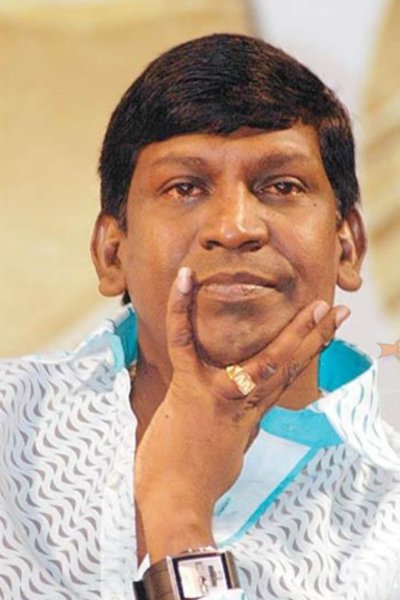
If you watched every Ilavarasu film back-to-back, you'd be at it for roughly 12 days and 1h. Most-paired with Vadivelu — 9 films together.
Filmography
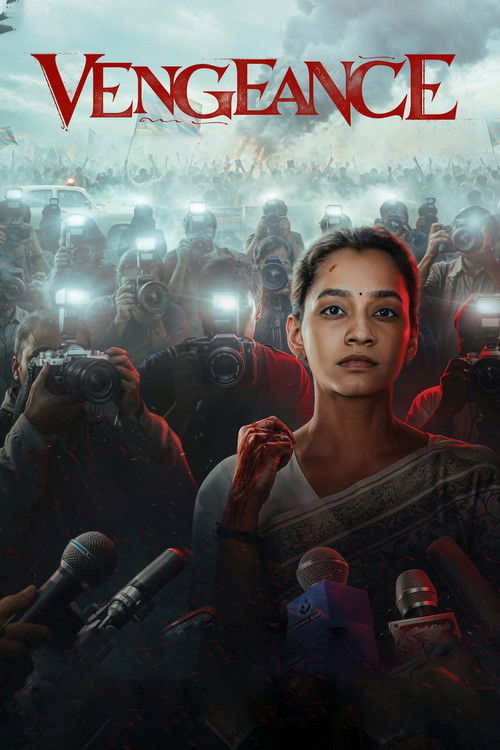
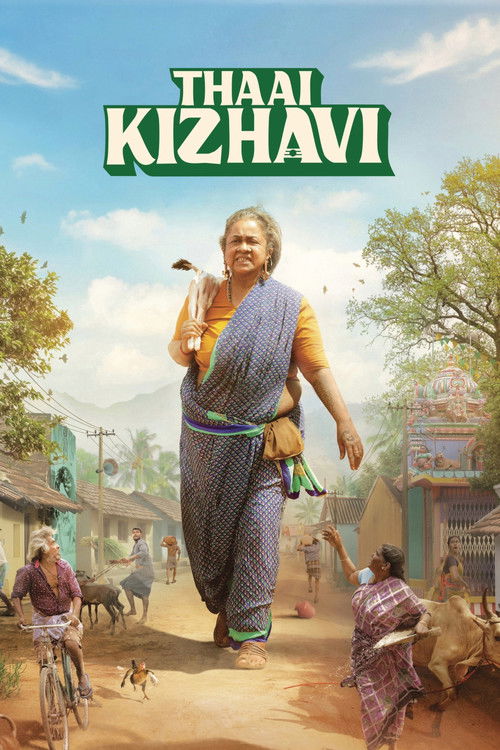
See all 150 credits →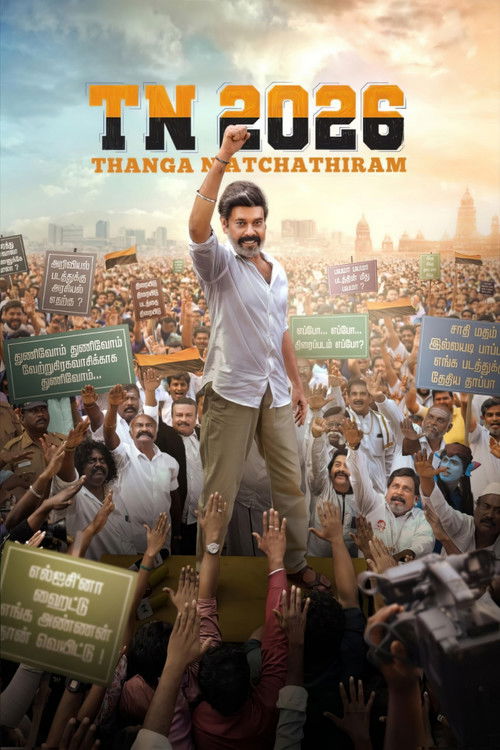
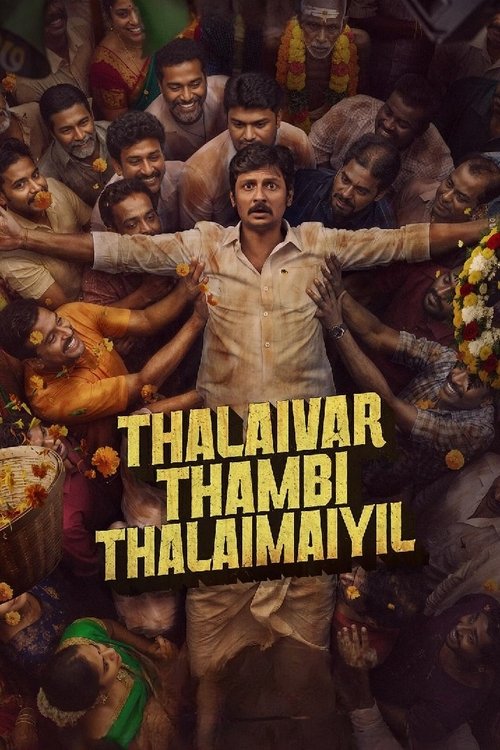
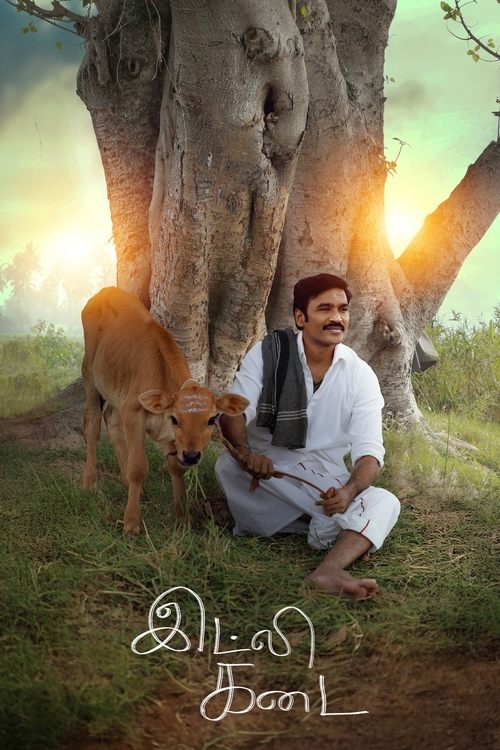
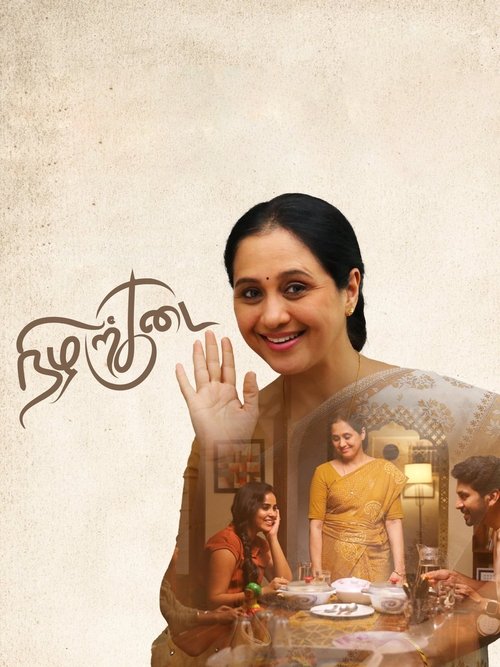
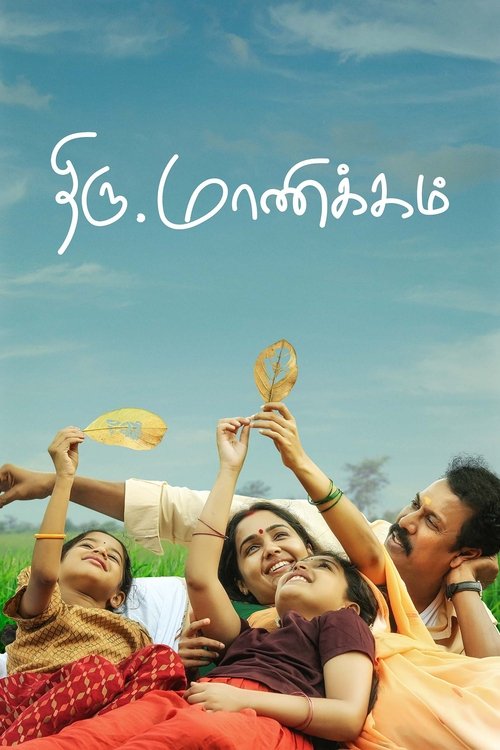
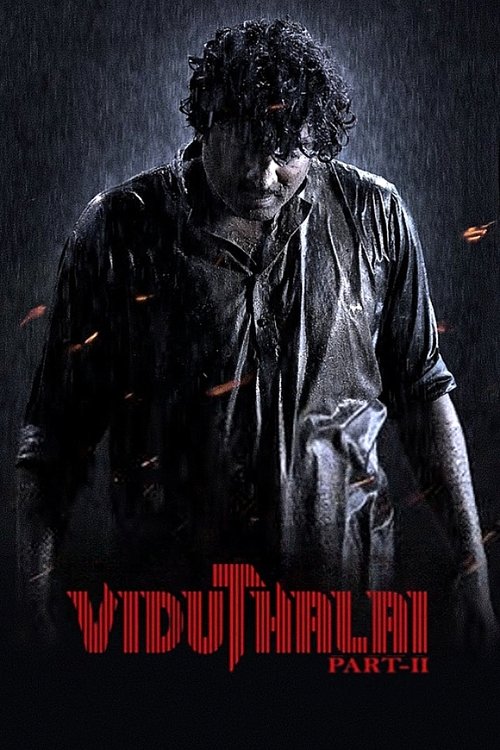
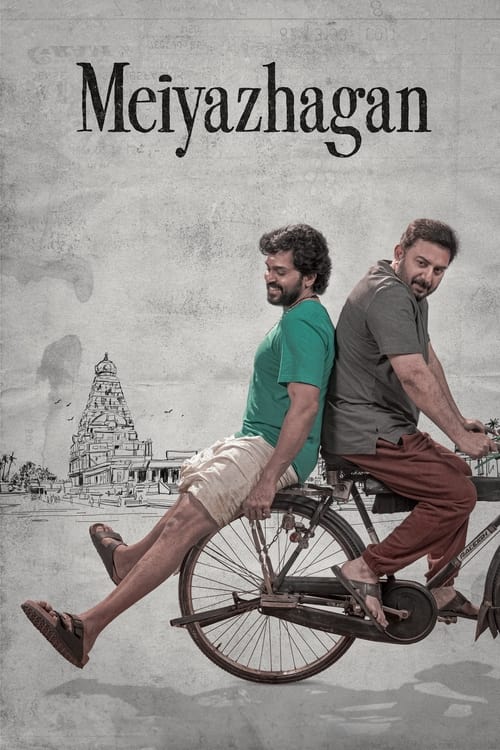
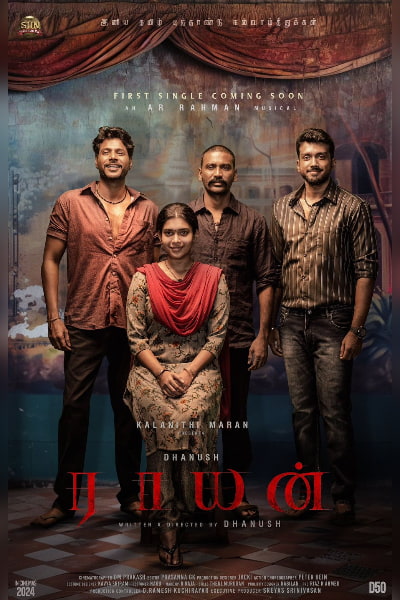
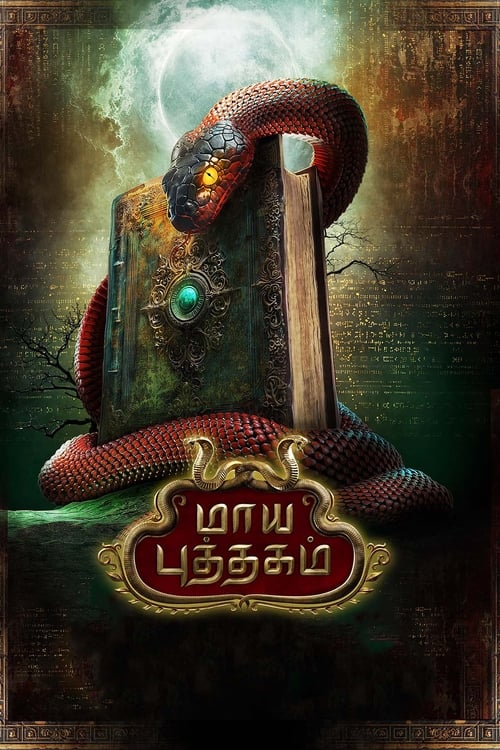

Collaboration Network
The Constellation
Top 10 most-paired collaborators. Bubble size and line thickness reflect how many films they share with Ilavarasu.
Career Analytics
Genre Breakdown
Language Distribution
Films by Decade
Top Co-Actors
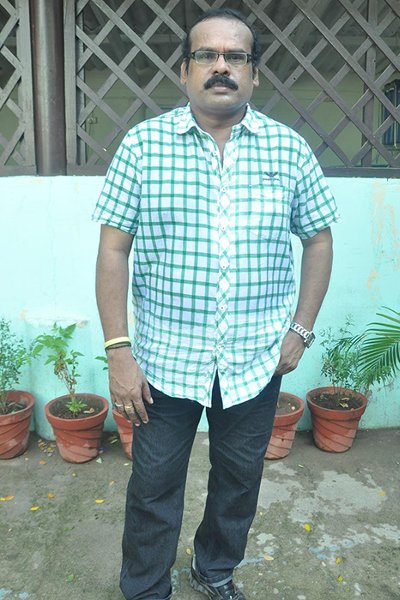
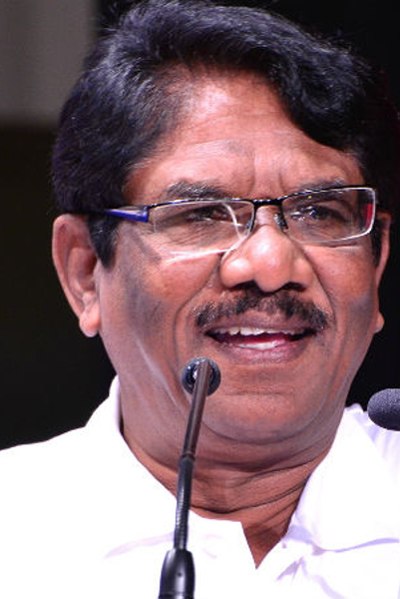
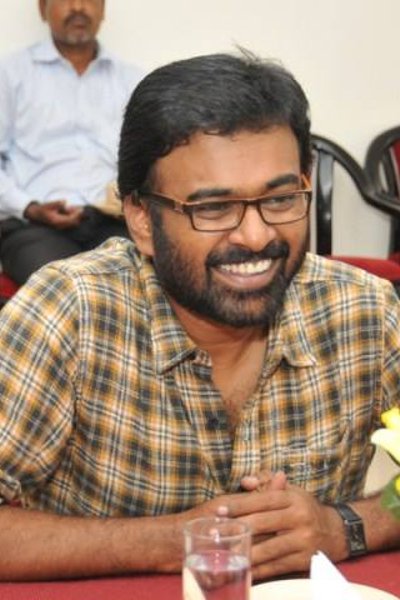
See all →Ilavarasu has worked most frequently with Siva (2 films), A. Venkatesh (2 films), Seeman (2 films), Bharathiraja (2 films), and Karu Pazhaniappan (2 films).

Did You Know?
Ilavarasu began his career as a cinematographer before transitioning to acting.
He worked as a cinematographer for 13 films.
He won a Tamil Nadu State Film Award for Best Cinematographer for the film 'Vedham Pudhithu' (1987).
His acting debut was in the film 'Vedham Pudhithu' (1987), where he also served as the cinematographer.
He is known for portraying character roles, often as a supportive father, police officer, or comedic side character.
Legacy & Influence
Ilavarasu's career in Tamil cinema is a unique narrative of artistic reinvention and steadfast contribution. Beginning as a cinematographer in the 1980s, he honed his craft behind the camera for over a dozen films, earning a Tamil Nadu State Film Award for Best Cinematographer for 'Vedham Pudhithu' (1987). This technical foundation deeply informed his subsequent and more prominent path as a character actor. His transition from cinematographer to actor is relatively rare, providing him with an intrinsic understanding of visual storytelling and frame composition that subtly enhances his performances. As an actor, Ilavarasu did not pursue stardom but instead carved a vital niche as a reliable and versatile supporting player. For decades, he has been a familiar face across hundreds of Tamil films, often portraying authoritative figures like police officers, government officials, or stern patriarchs, as well as comedic roles. His strength lies in his natural, understated acting style and his ability to lend authenticity and gravity to even brief appearances. Films like 'Run' (2002), 'Sivaji' (2007), and 'Mankatha' (2011) feature his memorable supporting turns. In his later career, he has taken on more nuanced roles in critically acclaimed films such as 'Kanaa' (2018) and 'Parking' (2023), demonstrating his enduring relevance. His journey represents a dual contribution: first, to the visual language of Tamil cinema in its formative modern period, and second, as a prolific actor who has become an integral part of the industry's fabric. He embodies the spirit of a dedicated character artist whose collective work, though often in the background, is essential to the richness and believability of the cinematic world. His legacy is that of a consummate professional who successfully bridged two distinct cinematic disciplines, earning respect in both.