Sabesh-Murali
Sabesh-Murali is an Indian composer, best known for Tamil cinema. Sabesh-Murali began their career in 2001. With 30 credits to their name and an average audience rating of 6.3, Sabesh-Murali remains one of the most prolific and celebrated talents in the industry. Spanning 20+ years, Sabesh-Murali's career remains one of the longest and most celebrated in Tamil cinema.
Biography
Sabesh–Murali is a Tamil film music composer duo consisting of siblings M. C. Sabesan (Sabesh) and Murali, younger brothers of prominent Tamil composer Deva, with whom they worked as assistants before launching their independent career with Samuthiram (2001). Their most acclaimed works include the emotionally resonant soundtrack for Cheran's Thavamai Thavamirundhu (2005) and the folk-comedy score for Imsai Arasan 23am Pulikesi (2006), alongside Mirugam (2007), Pokkisham (2009), and Mayandi Kudumbathar (2009). The duo is particularly noted for blending folk-infused melodies with classical Tamil musical sensibilities, consistently collaborating with directors known for rural and family-oriented narratives. Sabesh (MC Sabesan) served as President of the Cine Musicians Union and passed away on 23 October 2025 in Chennai at age 68 after a prolonged illness.
Career Milestones
Film debut as independent music composer duo
Breakthrough with critically acclaimed background score and music
View film →Commercial success with popular comedy film soundtrack
Folk-rooted soundtrack earned wide recognition
Death of Sabesh (MC Sabesan), marking end of the duo's active career
Defining Moments
Background score for Rajinikanth's Annamalai including the iconic 'Super Star' theme composed in a James Bond style — one of Tamil cinema's most recognized hero-entry themes
Sabesh personally composed this theme as a keyboard player before the duo's independent career; the motif became synonymous with Rajinikanth's on-screen persona and is still referenced in Tamil pop culture
The emotionally layered background score for the father-son drama, enhancing scenes of sacrifice and familial devotion with restrained, folk-inflected motifs
Widely regarded as one of Tamil cinema's finest father-son films; Sabesh-Murali's understated score was credited for amplifying the film's emotional resonance without overpowering the drama
View film →The raw, rural percussion-driven background score accompanying the brutal conflict sequences, matching the film's gritty tone
The score's aggressive folk percussion became a defining element of this violent rural drama and showcased the duo's range beyond melody-driven compositions
View film →Songs and score for this rural family comedy-drama, blending nativity folk elements with accessible melody in tracks like 'Vanthanamayya Vanthanam'
The album is among Sabesh-Murali's most beloved, with songs that became staples of Tamil folk-flavored cinema and cemented their identity as composers rooted in rural Tamil sensibility
View film →Score and songs for this slice-of-life drama, with 'Pesaama Pesaama' and other tracks drawing wide appreciation for their warmth and simplicity
Considered one of their most complete albums, praised by critics and audiences for matching the film's quiet, human-scale storytelling with equally intimate music
View film →Sabesh-Murali by the Numbers
If you watched every Sabesh-Murali film back-to-back, you'd be at it for roughly 1 day and 22h. Most-paired with Padmapriya — 3 films together.
Filmography
See all 30 credits →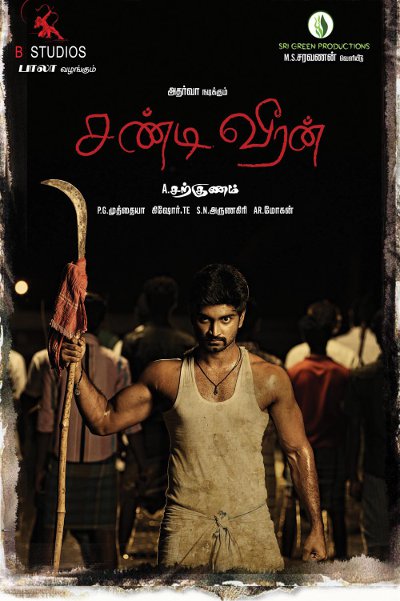



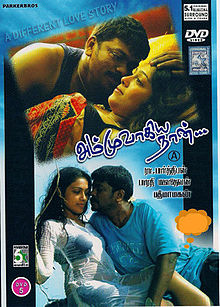
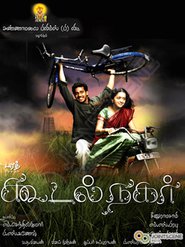


Collaboration Network
The Constellation
Top 10 most-paired collaborators. Bubble size and line thickness reflect how many films they share with Sabesh-Murali.
Career Analytics
Language Distribution
Films by Decade
Top Co-Actors
See all →Sabesh-Murali has worked most frequently with Cheran (2 films), K. S. Ravikumar (2 films), Padmapriya (3 films), Sathyaraj (2 films), and Sarath Kumar (2 films).









Did You Know?
Sabesh-Murali is a Tamil film music composer duo consisting of brothers Sabesh and Murali.
They are the sons of veteran music composer Deva.
They started their career as assistants to their father Deva before becoming independent composers.
The duo is known for their work in Tamil and Telugu cinema.
They have composed music for several successful films starring actors like Vijay, Ajith Kumar, and Suriya.
Legacy & Influence
Sabesh-Murali, the acclaimed Indian film score composer duo consisting of brothers Sabesh and Murali, have made a significant and enduring contribution to Indian cinema, particularly in the Tamil film industry. Their career, which began in the late 1990s, is intrinsically linked to their long-standing collaboration with director Mani Ratnam and the musical direction of A. R. Rahman. Operating primarily as part of Rahman's musical team, their role evolved from programmers and arrangers to credited co-composers, becoming integral to the distinctive sonic texture of Rahman's scores in the 2000s and beyond. Their technical expertise in sound design, programming, and orchestration helped shape the modern, globally-influenced sound that defined a generation of Indian film music. They were pivotal in creating the atmospheric backgrounds and intricate rhythmic patterns for landmark films like 'Alaipayuthey' (2000), 'Kannathil Muthamittal' (2002), 'Guru' (2007), and 'Raavanan' (2010). Their work extended beyond Tamil cinema to notable Hindi projects including 'Rang De Basanti' (2006) and 'Delhi-6' (2009), where their contributions helped bridge regional musical sensibilities with a contemporary, international appeal. Following their established pattern, they later received independent composer credits for background scores in several Mani Ratnam films, including 'Kadal' (2013) and 'Chekka Chivantha Vaanam' (2018), showcasing their ability to craft immersive cinematic soundscapes that support narrative depth. Their legacy lies in being unsung architects of a seminal era in Indian film music, mastering the fusion of electronic music with traditional Indian instrumentation and Western classical arrangements. They demonstrated how technical music production is a vital creative art form in itself, elevating the role of the programmer and arranger to that of a key collaborator in the compositional process. Their body of work continues to influence the sound palette of contemporary Indian composers who prioritize rich, layered production and atmospheric scoring.