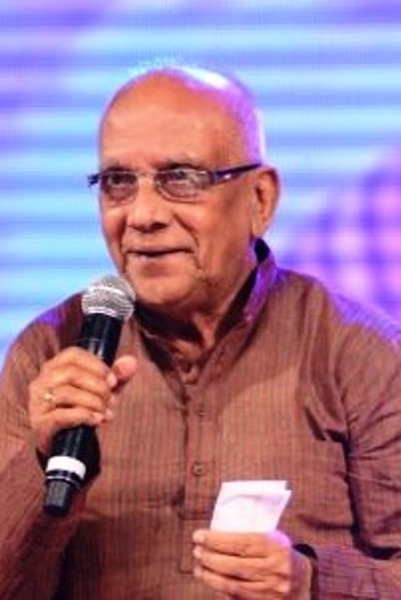
Singeetham Srinivasa Rao
Singeetham Srinivasa Rao is an Indian director, best known for Tamil cinema. Singeetham Srinivasa Rao began their career in 1974 and has been a prominent figure in the industry for over 52 years. With 30 credits to their name, Singeetham Srinivasa Rao remains one of the most prolific and celebrated talents in the industry. Spanning 50+ years, Singeetham Srinivasa Rao's career remains one of the longest and most celebrated in Tamil cinema.
- Born
- Age
- 94
Biography
Singeetam Srinivasa Rao is a veteran Telugu-born filmmaker active across Tamil, Telugu, Kannada, and Hindi cinema, best known for directing Kamal Haasan's landmark comedies. His most acclaimed works include Apoorva Sagodharargal (1989), which won the Filmfare Award for Best Film – Tamil and premiered at the International Film Festival of India, and Pushpaka Vimana (1987), a dialogue-less film that won the National Film Award for Best Popular Film Providing Wholesome Entertainment. He is particularly noted for his mastery of physical comedy and elaborate multi-role narratives, as seen in Michael Madana Kama Rajan (1990), where Kamal Haasan plays quadruplets, and Aditya 369 (1991), a pioneering Telugu science-fiction time-travel film. Over a career spanning six decades and around sixty films, he received two National Film Awards, five Nandi Awards, and a Life Achievement Award from the Film Federation of India in 2011.
Career Milestones
Directorial debut in Telugu cinema
National Film Award for Best Feature Film in Tamil
View film →Directed India's first dialogue-less film, won National Film Award for Best Popular Film
Directed blockbuster science fiction film, highest-grossing Telugu film at the time
View film →Life Achievement Award from Film Federation of India
Defining Moments
Direction of Pushpaka Vimana — India's first entirely dialogue-free film, a masterclass in visual storytelling where every scene conveys comedy and drama without a single spoken word
Listed among CNN-IBN's 100 Greatest Indian Films of all time; proved that Indian cinema could transcend language barriers through pure cinematic grammar, cementing Singeetham's reputation as a visionary director
Kamal Haasan's dwarf sequences — the film's seamless integration of a full-sized actor portraying a dwarf character using groundbreaking in-camera perspective tricks and forced-perspective sets
Won Filmfare Award for Best Film – Tamil and premiered at IFFI; widely regarded as one of Indian cinema's most innovative uses of practical visual effects, achieved without digital tools
View film →Kamal Haasan playing four distinct quadruplet characters simultaneously in a single film, requiring extraordinary coordination of doubles, split-screen, and performance layering
Became a blockbuster and pop-culture touchstone in Tamil Nadu; the multi-role format influenced numerous subsequent Tamil comedies and is still frequently cited in discussions of Kamal Haasan's versatility
View film →Time-travel narrative framing — the film's structurally bold premise of transporting a modern protagonist to the era of the Vijayanagara Empire, blending historical spectacle with sci-fi logic
One of Indian cinema's earliest serious science-fiction films with a time-machine concept; demonstrated Singeetham's range beyond comedy into ambitious genre filmmaking
View film →Return to silent/visual comedy with a road-trip caper featuring Kamal Haasan and Nassar — reviving Singeetham's trademark of physical and situational humor over dialogue-driven jokes
Marked Singeetham's later-career reaffirmation of his comedic philosophy; praised by critics as a loving callback to his Pushpaka Vimana-era craft
View film →Singeetham Srinivasa Rao by the Numbers
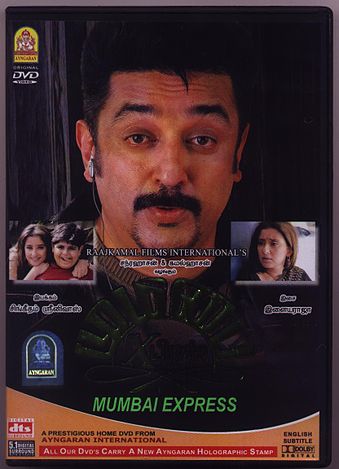
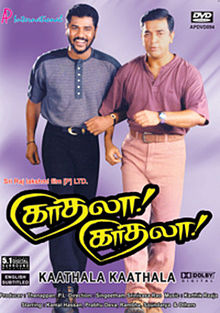
If you watched every Singeetham Srinivasa Rao film back-to-back, you'd be at it for roughly 2 days and 8h. Most-paired with Kamal Haasan — 11 films together.
Filmography
See all 30 credits →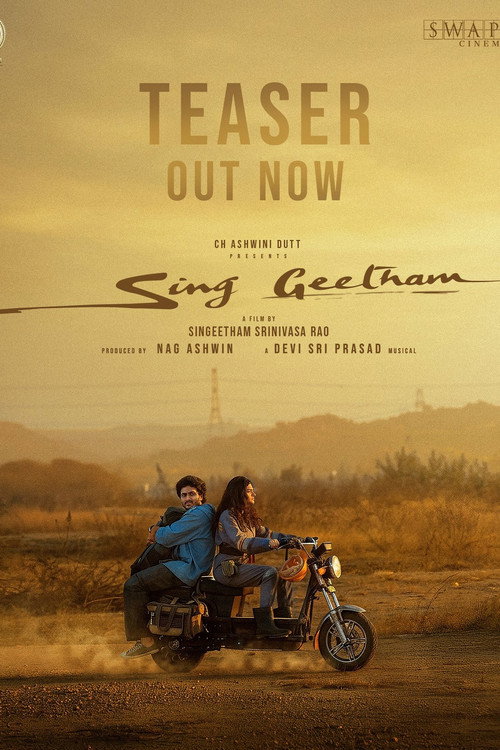
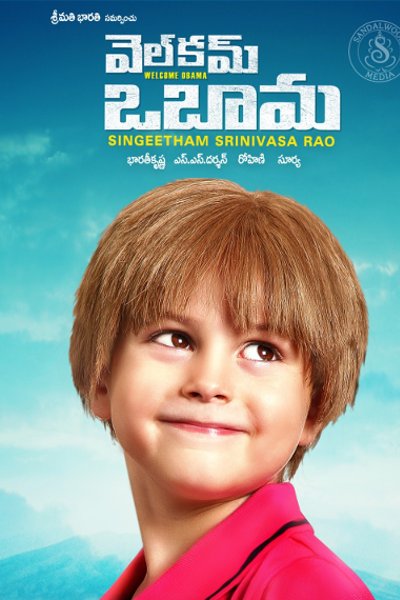
Collaboration Network
The Constellation
Top 10 most-paired collaborators. Bubble size and line thickness reflect how many films they share with Singeetham Srinivasa Rao.
Career Analytics
Genre Breakdown
Language Distribution
Films by Decade
Top Co-Actors
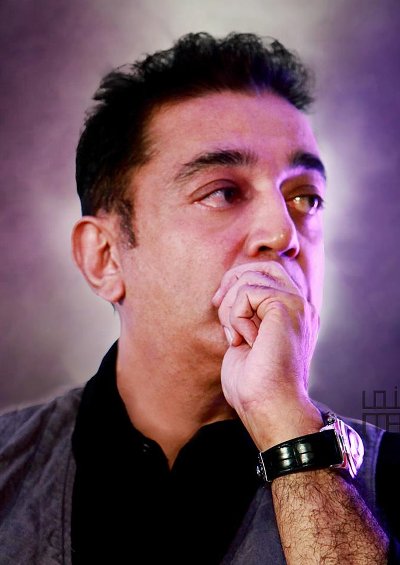
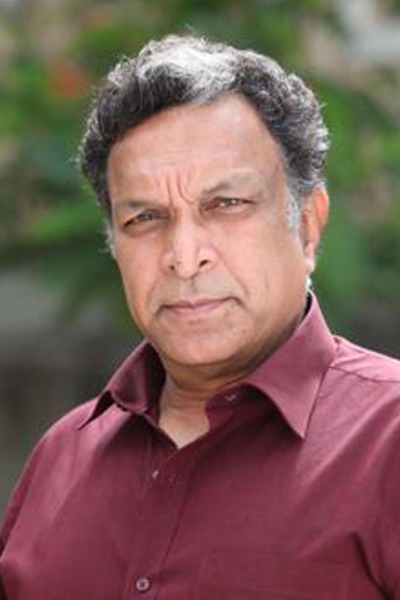
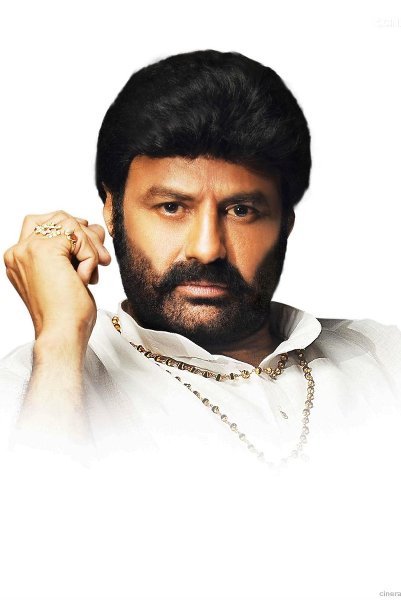
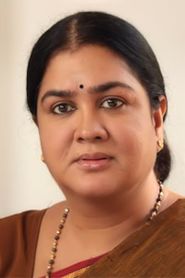
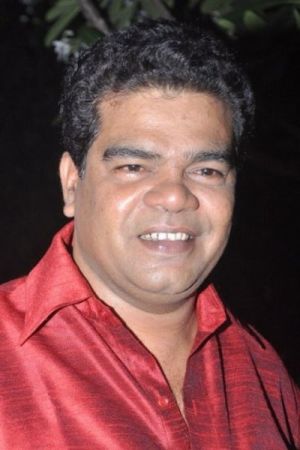
See all →Singeetham Srinivasa Rao has worked most frequently with Kamal Haasan (11 films), Nassar (4 films), Nagesh (4 films), Delhi Ganesh (3 films), and Rambha (3 films).



Did You Know?
He is known for pioneering the use of computer graphics in Indian cinema with his 1992 film 'Mayuri'.
He directed India's first silent film in the talkie era, 'Pushpaka Vimana' (1987), starring Kamal Haasan.
He is a recipient of the National Film Award for Best Feature Film in Telugu for 'Katha' (1983).
He collaborated extensively with actor Kamal Haasan on films like 'Pushpaka Vimana', 'Apoorva Sagodharargal', and 'Michael Madana Kama Rajan'.
He holds a degree in law from Madras Law College.
Legacy & Influence
Singeetam Srinivasa Rao is a pioneering figure in Indian cinema, celebrated for his remarkable versatility and innovative storytelling across five major language industries over a career spanning more than six decades. His legacy is defined by a fearless willingness to experiment with genre and form, often blending science fiction, fantasy, social drama, and comedy in ways that were ahead of their time. Rao's early directorial work in Telugu cinema, such as the critically acclaimed 'Neechaga Nenundali' (1972), established him as a thoughtful filmmaker. He achieved pan-Indian recognition with the groundbreaking silent film 'Pushpaka Vimana' (1987), a critical and commercial success that demonstrated his mastery of visual storytelling and universal humor. His foray into Tamil cinema yielded the iconic 'Michael Madana Kama Rajan' (1990), a masterclass in comedy and dual-role performance that remains a cult classic. Rao also directed the first full-length Indian animated feature film, 'Pandaavaas' (1993), showcasing his constant drive to explore new cinematic frontiers. His collaborations with legendary actors like Kamal Haasan and Rajkumar resulted in films that pushed creative boundaries, such as the philosophical 'Apoorva Sagodharargal' (1989) and the mythological epic 'Mayuri' (1984). Beyond direction, his contributions as a screenwriter, composer, and lyricist underscore a rare, holistic creative genius. Rao's career trajectory reflects a consistent pattern of mentoring new talent and introducing novel concepts, thereby influencing generations of filmmakers who followed. His body of work stands as a testament to the power of creative risk-taking and intellectual curiosity in mainstream Indian cinema.