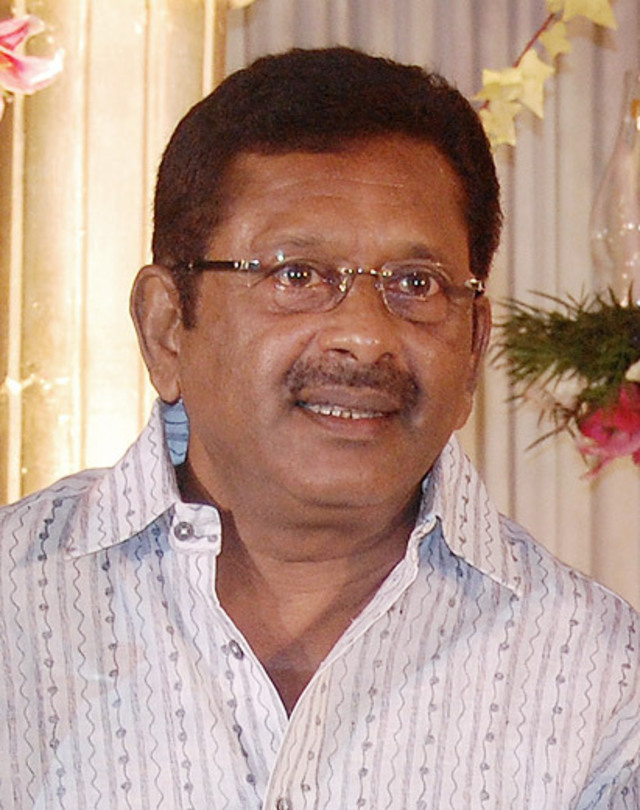
Fazil
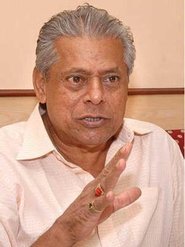
Fazil is an Indian director, best known for Tamil cinema. Fazil began their career in 1985 and has been a prominent figure in the industry for over 41 years. With 30 credits to their name, Fazil remains one of the most prolific and celebrated talents in the industry. Spanning 40+ years, Fazil's career remains one of the longest and most celebrated in Tamil cinema.
- Born
- Age
- 77
Biography
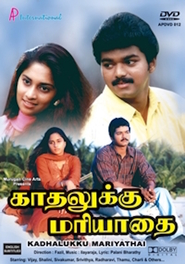
Abdul Hameed Muhammed Fazil is a Malayalam and Tamil film director, producer, screenwriter, and actor, best known for directing commercially and critically successful romantic and family entertainers across both industries. His 1993 Malayalam film Manichitrathazhu won the National Film Award for Best Popular Film Providing Wholesome Entertainment, and his Tamil directorial Kadhalukku Mariyadhai (1997) starring Vijay became a major box-office hit. Fazil's directorial approach frequently involved adapting his own Malayalam films into Tamil, with six of his ten Tamil films being such remakes, while his debut film Manjil Virinja Pookkal (1980) also marked Mohanlal's first theatrical release. He is the father of acclaimed Malayalam actor Fahadh Faasil, whose rise has further cemented the family's legacy in Indian cinema.
Career Milestones
Directorial debut with Manjil Virinja Pookkal, which also marked Mohanlal's screen debut; the film won six Kerala State Film Awards including Best Film with Popular Appeal
Won Kerala State Award for Best Film with Popular Appeal for Nokketha Dhoorathu Kannum Nattu
Tamil directorial debut with Poove Poochooda Vaa, establishing his presence in Tamil cinema
View film →Directed Manichithrathazhu, one of the most acclaimed Malayalam films ever made, winning Kerala State Award for Best Film with Popular Appeal
Directed Kadhalukku Mariyadhai, a Tamil blockbuster remake of his own Malayalam film Aniyathipraavu, launching Vijay to superstardom
View film →Defining Moments
Nadhiya's emotional breakdown scene where she confronts her family's expectations — a raw, restrained performance that announced a new kind of Tamil heroine
Fazil's Tamil directorial debut won him the Filmfare Award South for Best Director – Tamil; the film also marked Nadhiya's Tamil debut and redefined the emotional register of Tamil romance films
View film →The gentle courtship sequence set against village backdrops, establishing Fazil's signature style of slow-burn romance built on looks and silences rather than dialogue
Cemented Fazil's reputation for crafting understated, visually lyrical love stories; the film's aesthetic influenced a generation of Tamil directors working in the romance genre
View film →The tragic separation climax where the young lovers' relationship is crushed by family honour, leaving audiences with unresolved longing — a defining use of the 'doomed love' template
Established Fazil as a master of bittersweet youth romance in Tamil cinema and launched Vijay's early career; the ending is frequently cited as one of the most emotionally devastating conclusions of the era
View film →The climactic Nagavalli possession sequence where Shobana's character fully embodies the vengeful spirit, blurring the line between psychological illness and the supernatural
Won the National Film Award for Best Popular Film Providing Wholesome Entertainment; the scene is considered one of Indian cinema's greatest psychological-horror payoffs and is widely studied and referenced
The rain-soaked rooftop confession scene between Vijay and Shalini, capturing first love with innocent urgency that became a touchstone for 90s Tamil romance
The Vijay–Shalini pairing became one of Tamil cinema's most iconic on-screen couples; Vijay won his first state-level Best Actor award, and the film is consistently cited in retrospectives on 90s Tamil nostalgia
View film →Fazil by the Numbers
If you watched every Fazil film back-to-back, you'd be at it for roughly 23 hours. Most-paired with Ilayaraja — 10 films together.
Filmography
See all 30 credits →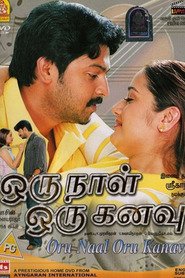
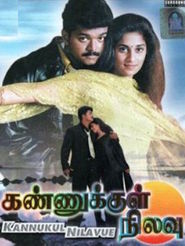
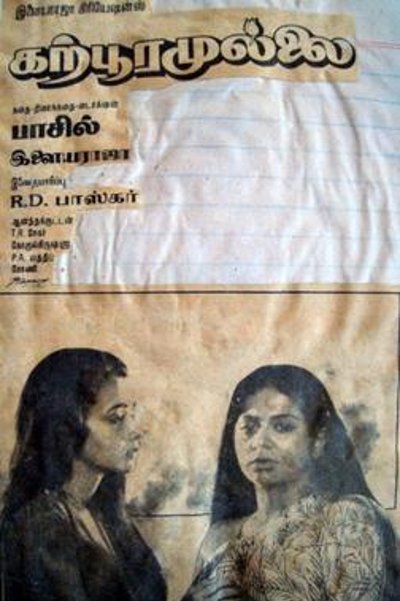
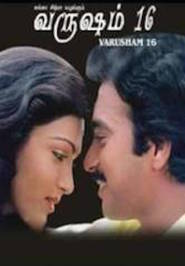

Collaboration Network
The Constellation
Top 10 most-paired collaborators. Bubble size and line thickness reflect how many films they share with Fazil.
Career Analytics
Language Distribution
Films by Decade
Top Co-Actors
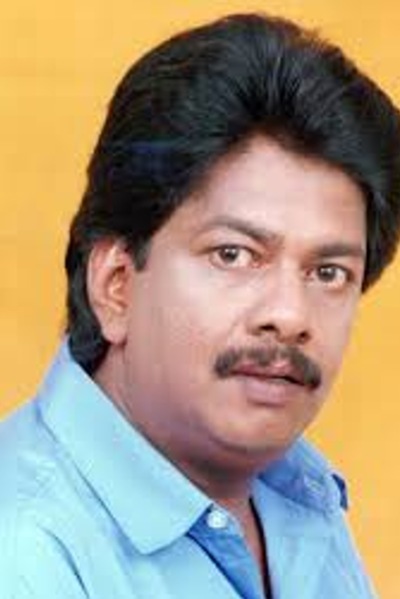
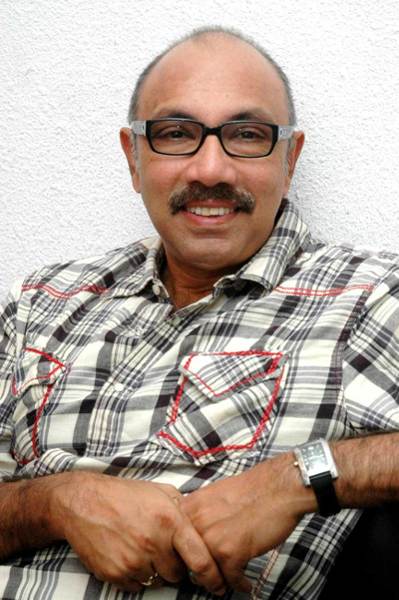
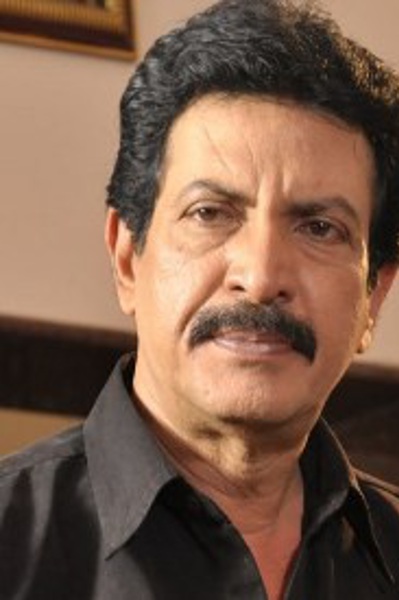
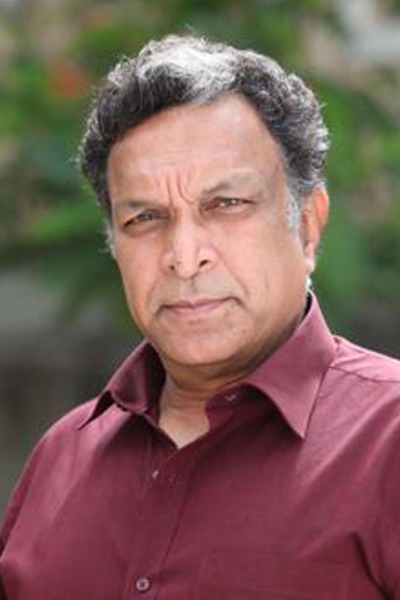
See all →Fazil has worked most frequently with Charlie (4 films), Raghuvaran (3 films), Janagaraj (3 films), Charle (3 films), and Sukumari (2 films).




Did You Know?
Fazil's directorial debut 'Manjil Virinja Pookkal' (1980) is considered a landmark film that introduced actor Mohanlal to Malayalam cinema.
He is the father of actors Fahadh Faasil and Farhaan Faasil, and director Fazil Fahadh.
Fazil won the National Film Award for Best Popular Film Providing Wholesome Entertainment for 'Ente Mamattikkuttiyammakku' in 1983.
He directed the Hindi film 'Nammavar' (1994) starring Kamal Haasan, marking his work outside Malayalam cinema.
Fazil is known for his collaborations with composer Raveendran, who scored music for many of his early hit films.
Legacy & Influence
A. M. Fazil is a seminal figure in Malayalam cinema, renowned for reshaping its narrative and aesthetic contours from the early 1980s onwards. His debut, 'Manjil Virinja Pookkal' (1980), was a landmark, introducing a new wave of romantic realism and establishing Mohanlal as a leading actor, thereby altering the industry's star dynamics. Fazil's career is distinguished by his mastery over the family melodrama and romantic comedy, genres he infused with sophisticated urban sensibilities, nuanced characterizations, and technical polish. Films like 'Ente Mamattikkuttiyammakku' (1983) and 'Nokkethadhoorathu Kannum Nattu' (1984) are celebrated for their emotional depth, memorable musical scores, and relatable portrayals of middle-class life and romantic yearning. His work in the mid-80s, including 'Poovinu Puthiya Poonthennal' and 'Ennennum Kannettante', consistently delivered critical and commercial success, setting benchmarks for production values and storytelling. Fazil's influence extends beyond direction; as a producer and screenwriter, he nurtured talent and backed projects with distinct voices. His ability to craft compelling female characters and explore complex interpersonal relationships within familial frameworks expanded the thematic scope of mainstream Malayalam cinema. While he also worked in Tamil and Hindi, his most enduring impact remains in Malayalam, where his films from the 1980s are considered classics that defined a generation's cinematic taste. Fazil's legacy lies in modernizing the industry's approach to popular cinema, blending artistic integrity with widespread appeal, and creating a template for character-driven narratives that influenced countless filmmakers who followed.