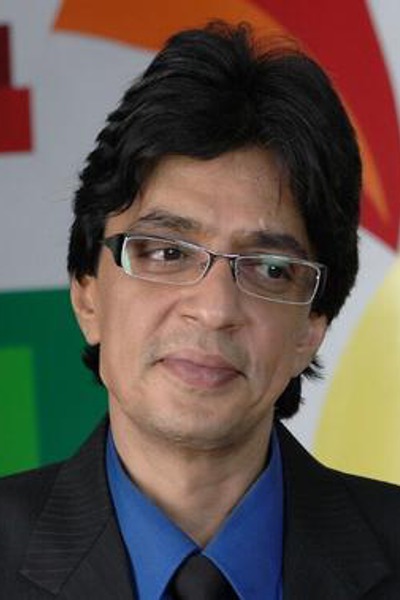
Raghuvaran
Raghuvaran is an Indian actor, best known for Tamil cinema. Raghuvaran began their career in 1986 and has been a prominent figure in the industry for over 40 years. With over 120 credits to their name, Raghuvaran remains one of the most prolific and celebrated talents in the industry. Raghuvaran's influence on Tamil cinema is generational — their work continues to define the standard for the industry.
- Born
- Age
- 67
Biography
Raghuvaran (born Raghuvaran Velayuthan Nair, 11 December 1958 – 19 March 2008) was a Kerala-born Tamil, Telugu, and Malayalam cinema actor who appeared in over 200 films across multiple South Indian industries, primarily in villain and antagonist roles. He is remembered for his performances in major films such as Anjali (1990), Baashha (1995), Kaadhalan (1994), Amarkalam (1999), and Mudhalvan (1999), and received critical acclaim for his role as Father Alphonso in the Malayalam film Daivathinte Vikruthikal. He was trained at the M.G.R. Government Film and Television Training Institute in Chennai and was known for a commanding screen presence and distinctive voice modulation that made him one of Tamil cinema's most recognizable character actors. His final screen appearance came in Ellam Avan Seyal (2008), released shortly after his death from organ failure on 19 March 2008 at age 49.
Career Milestones
Film debut
View film →Highest rated: Baashha (9.0)
View film →50th film
View film →100th film
View film →Iconic Roles
Baashha
The sophisticated and ruthless Mumbai-based gangster who becomes the primary antagonist to Rajinikanth's character.
Bala
The strict and principled father of the protagonist, played by Vikram, in this film about a man with a rare condition.
Defining Moments
Baashha
His portrayal of the villain Mark Anthony in Rajinikanth's blockbuster cemented his status as one of Tamil cinema's most iconic and sophisticated antagonists.
Bala
Received critical acclaim for his performance as the father Jeyamani, showcasing his versatility beyond villain roles.
Raghuvaran by the Numbers
If you watched every Raghuvaran film back-to-back, you'd be at it for roughly 10 days and 12h. Most-paired with Vivek — 12 films together.
Filmography
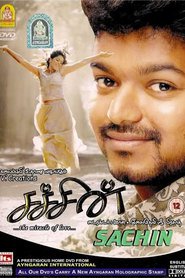
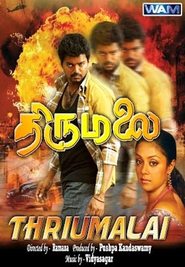
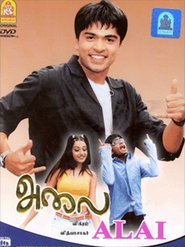
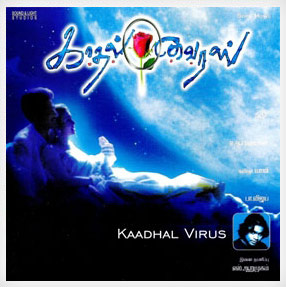
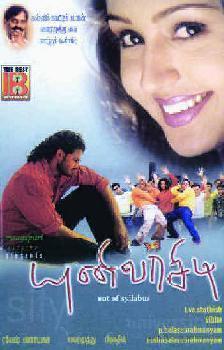
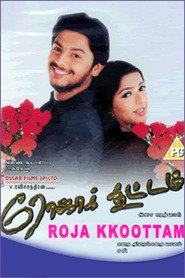
See all 120 credits →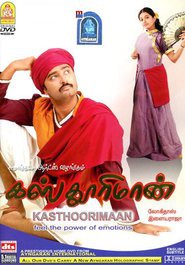
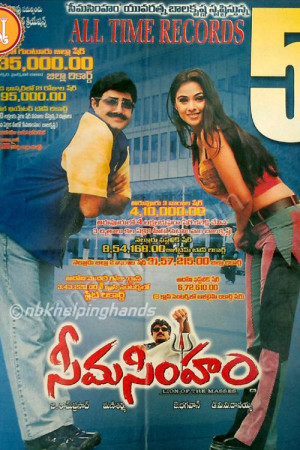
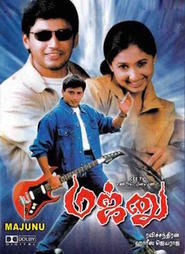
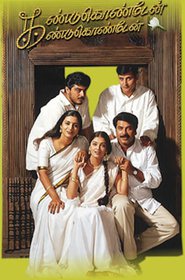
Collaboration Network
The Constellation
Top 10 most-paired collaborators. Bubble size and line thickness reflect how many films they share with Raghuvaran.
Career Analytics
Genre Breakdown
Language Distribution
Films by Decade
Top Co-Actors
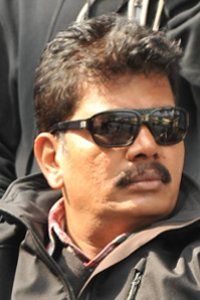
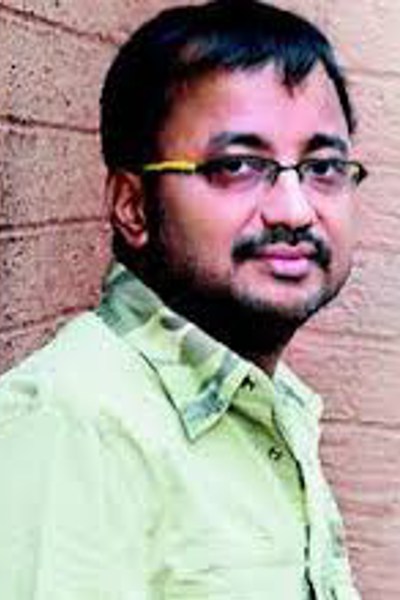
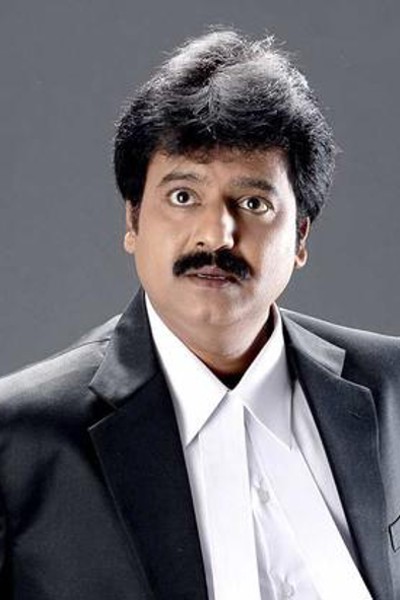
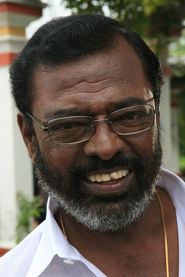
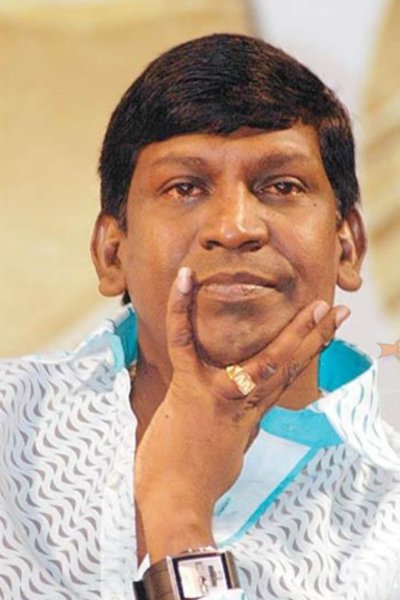
See all →Raghuvaran has worked most frequently with A. Venkatesh (2 films), Shankar (2 films), Suresh Krishna (2 films), Saran (2 films), and N. Maharajan (2 films).
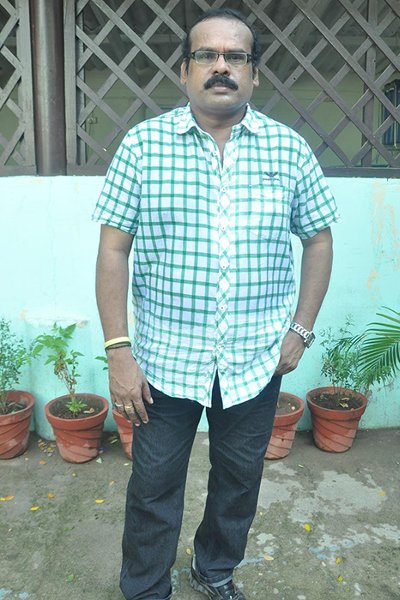


Did You Know?
Raghuvaran was known for his deep, resonant voice and sophisticated villain portrayals, often playing corporate villains or suave antagonists.
He was a trained method actor who studied at the Film and Television Institute of Tamil Nadu (FTIT).
He was married to actress Rohini, and they have a son named Rishi.
He was a heavy smoker and struggled with alcoholism, which contributed to his health issues later in life.
He passed away on March 19, 2008, due to multiple organ failure.
Signature Dialogues
Naan oru thadava sonna, nooru thadava sonna maadhiri.
Mark Anthony·Baashha
Ennoda peru Mark Anthony. Aana enakku Cleopatra venum.
Mark Anthony·Baashha
Legacy & Influence
Raghuvaran, born on December 11, 1958, carved an indelible niche in Indian cinema, particularly in Tamil films, as one of the most formidable and sophisticated antagonists and character actors of his generation. His career, spanning from the late 1970s to the 2000s across over 200 films in Tamil, Telugu, Malayalam, Kannada, and Hindi, is defined by a unique ability to portray complex villains and authoritative figures with a chilling, understated intensity. Raghuvaran's breakthrough came with his nuanced performances in the 1980s, but he achieved iconic status in the 1990s. His portrayal of the cerebral, manipulative, and cold-blooded don Mark Anthony in Mani Ratnam's 'Baashha' (1995) opposite Rajinikanth is considered a landmark in Tamil cinema villainy. The character's calm demeanor and psychological depth, delivered through Raghuvaran's measured dialogue delivery and piercing gaze, redefined the archetype of the cinematic antagonist, moving away from overt theatrics to a more realistic and terrifying presence. Beyond villainy, he excelled in character roles, such as the understanding father in 'Anjali' (1990) and the menacing Jeyamani in 'Bala' (2002), showcasing his versatility. His deep, resonant voice and mastery over dialogue timing became his trademarks, making even ordinary lines menacing or profound. Raghuvaran's influence extends to how villains are written and performed in South Indian cinema today; he demonstrated that a villain's power could lie in quiet calculation rather than brute force. His collaborations with major directors like Mani Ratnam and S. Shankar helped elevate the narrative weight of antagonist roles. Despite personal struggles, his professional legacy remains untarnished—a testament to an actor who brought intellectual gravity and unforgettable menace to the screen, inspiring a generation of actors to explore the subtleties of negative and character roles.