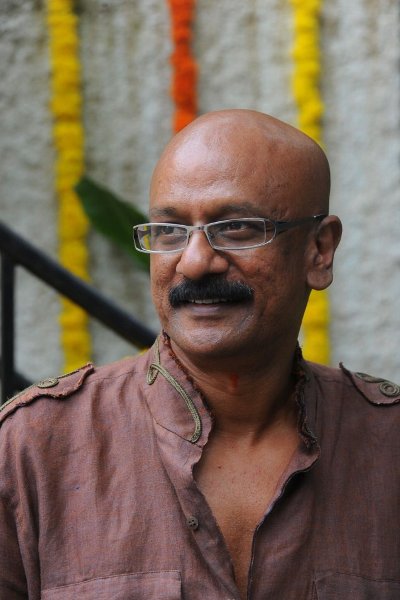
Ramana Gogula
Ramana Gogula is an Indian composer, best known for Tamil cinema. Ramana Gogula began their career in 1998 and has been a prominent figure in the industry for over 28 years. With 30 credits to their name and an average audience rating of 6.2, Ramana Gogula remains one of the most prolific and celebrated talents in the industry. Spanning 20+ years, Ramana Gogula's career remains one of the longest and most celebrated in Tamil cinema.
- Born
- Age
- 40
Biography
Ramana Gogula is a Telugu film music composer from Visakhapatnam, Andhra Pradesh, best known for blending western rock and pop sensibilities with Indian film music across approximately 25 films and 125 songs. His most commercially successful works include Thammudu (1999) and Badri (2001) with Pawan Kalyan, Johnny (2003), and Venkatadri Express (2013), and he has won both a Nandi Award and a Filmfare Award South for his compositions. A technically trained engineer with degrees from IIT Kharagpur and Louisiana State University, Gogula launched his music career through the indie band Misty Rhythms, whose 1996 album Aye Laila charted on MTV India and Channel V before his Tollywood debut with Premante Idera (1998). After a decade-long hiatus from film music during which he worked as Managing Director for South Asia at Sybase and co-founded ventures in ed-tech and solar energy, he announced a return to Telugu film composition in 2025.
Career Milestones
Film debut as music composer
View film →Breakthrough with chartbuster album
Major commercial success with Pawan Kalyan film
View film →Composed music for hit action film
View film →Return to Telugu film music after a gap
View film →Defining Moments
Debut composition for Premante Idera, marking his entry into Telugu film music with a fresh, melodic soundtrack that set the tone for his career
His debut as music director, introduced him to Telugu cinema and established his reputation as a fresh talent
View film →Album of Thammudu with energetic and youthful compositions including 'Vayasa Chusuko', became hugely popular and cemented his association with mass entertainers
One of his most celebrated albums; the songs remain widely remembered and associated with Pawan Kalyan's mass appeal
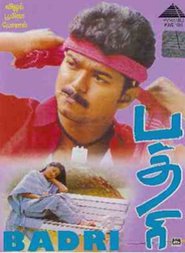
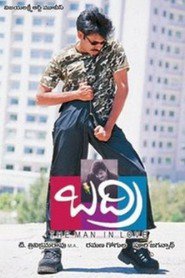
Badri album including 'Pedavi Datani' and other tracks became chartbusters, reinforcing his partnership with Pawan Kalyan
Third consecutive hit with Pawan Kalyan; solidified his status as the go-to composer for the star's films
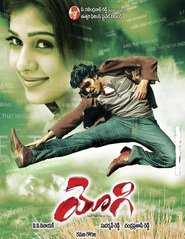
View film →Yogi album with 'Oororo Yogi' — an anthem-style composition that became one of his most recognizable works
The title track became iconic in Telugu pop culture, frequently cited as one of his standout compositions
View film →Return to filmmaking with Venkatadri Express after a hiatus, demonstrating continued relevance in Telugu film music industry
Marked his comeback to mainstream Telugu cinema after a gap, reaffirming his place in the industry
View film →Ramana Gogula by the Numbers
If you watched every Ramana Gogula film back-to-back, you'd be at it for roughly 23 hours. Most-paired with P. A. Arun Prasad — 2 films together.
Filmography
See all 30 credits →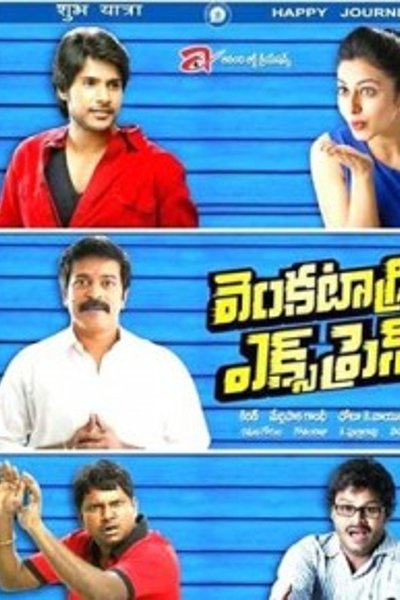
Collaboration Network
The Constellation
Top 8 most-paired collaborators. Bubble size and line thickness reflect how many films they share with Ramana Gogula.
Career Analytics
Language Distribution
Films by Decade
Top Co-Actors
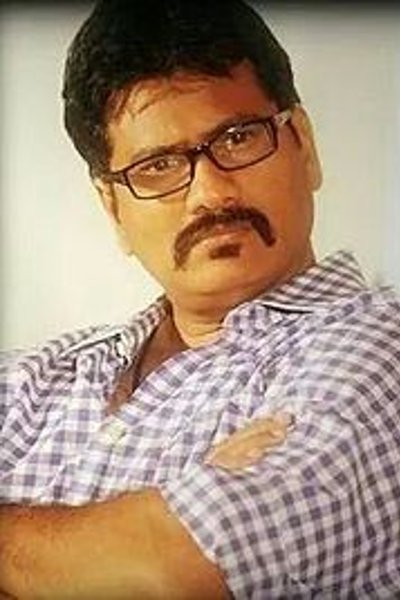
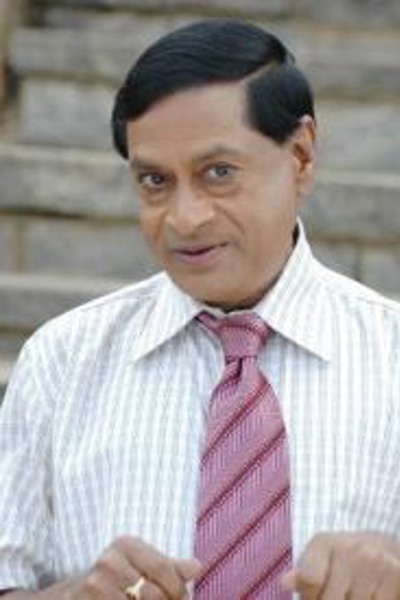
See all →Ramana Gogula has worked most frequently with P. A. Arun Prasad (2 films), Nayantara (2 films), Nagineedu (2 films), Bhoomika Chawla (2 films), and M. S. Narayana (2 films).



Legacy & Influence
Ramana Gogula is a pivotal figure in the evolution of Indian pop music and its crossover into regional cinema. He emerged in the mid-1990s, a period when the Indian pop album scene was gaining significant commercial and cultural traction. His 1996 debut studio album, 'Mysty Rhythms', was a landmark release. It was one of the first high-profile Indian pop albums to be produced with a fully digital, synth-heavy sound, drawing from contemporary Western dance and electronic music while retaining a distinct Indian melodic sensibility. The album's lead single, 'Aye Laila', accompanied by a stylish music video, became a massive nationwide chartbuster. This success established Gogula as a pioneer who helped define the sound and visual presentation of modern Indian pop music for a generation. Following this pop success, he strategically transitioned into Telugu cinema as a music composer. His entry into films was significant as he brought the polished, contemporary sonic palette of Indian pop into the mainstream film music industry. He composed for several successful films in the late 1990s and 2000s, such as 'Nuvve Kavali' and 'Manmadhudu', where his catchy, youthful tunes and innovative use of electronic instrumentation resonated deeply with the urban audience. His film work often featured a blend of Western pop rhythms with traditional Telugu folk and classical touches, creating a fresh and modern soundscape for Telugu cinema. This influenced the subsequent generation of film composers to experiment more freely with digital production and international genres. Gogula's career trajectory—from a pop icon to a successful film composer—demonstrates a rare bridge between the independent music album industry and the massive film music ecosystem. His contribution lies in modernizing the auditory experience for Indian listeners, both in standalone pop music and in film scores, pushing technical and stylistic boundaries during a formative period for India's contemporary music industry.