Gokula Krishnan
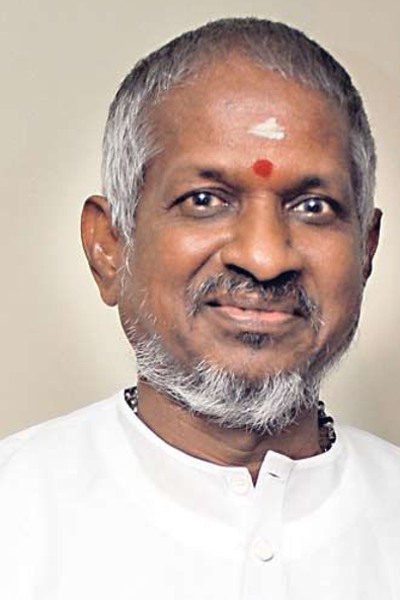
Gokula Krishnan is an Indian director, best known for Tamil cinema. Gokula Krishnan began their career in 1982. With 30 credits to their name, Gokula Krishnan remains one of the most prolific and celebrated talents in the industry. Spanning 40+ years, Gokula Krishnan's career remains one of the longest and most celebrated in Tamil cinema.
Biography
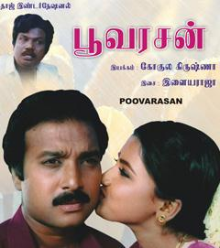
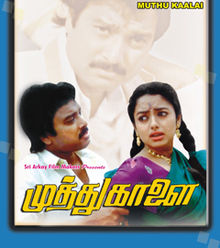
Gokula Krishnan (1945–2008) was an Indian film director and screenwriter who worked in Tamil cinema from the 1980s through the 1990s. He made his directorial debut with Archanai Pookal (1982) and went on to direct a trilogy of films starring actor Karthik: Muthu Kaalai (1995), Poovarasan (1996), and Udhavikku Varalaamaa (1998). His work was characterized by collaboration with mainstream Tamil stars, though his films with Karthik in the mid-to-late 1990s were commercially unsuccessful. He passed away on 28 October 2008 after a brief illness, survived by his wife Kavitha.
Gokula Krishnan by the Numbers
If you watched every Gokula Krishnan film back-to-back, you'd be at it for roughly 11 hours. Most-paired with Ilayaraja — 4 films together.
Filmography
See all 30 credits →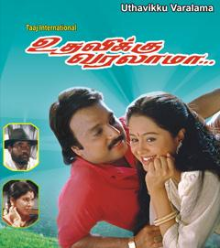
Collaboration Network
The Constellation
Top 7 most-paired collaborators. Bubble size and line thickness reflect how many films they share with Gokula Krishnan.
Career Analytics
Language Distribution
Films by Decade
Top Co-Actors
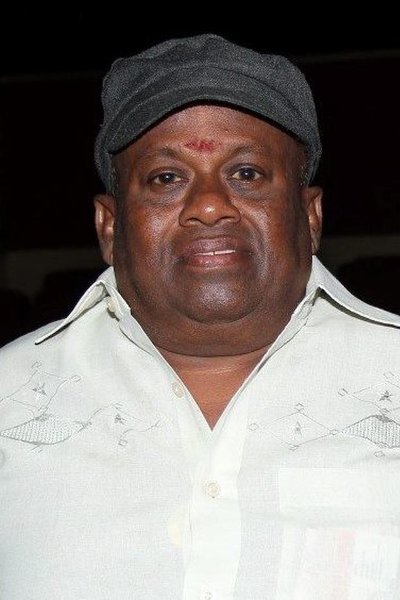
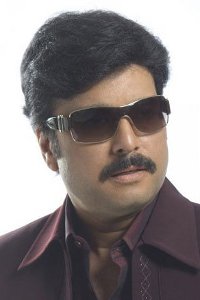
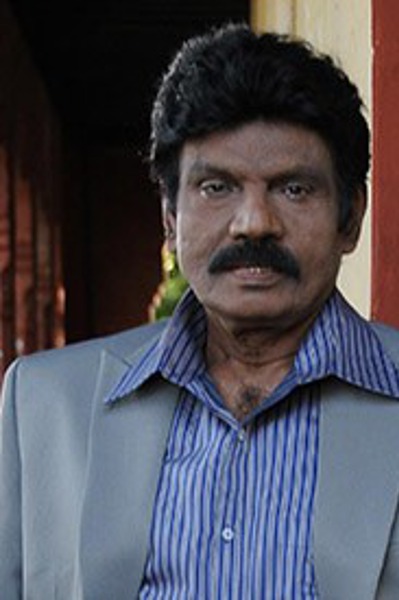
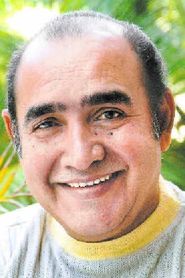
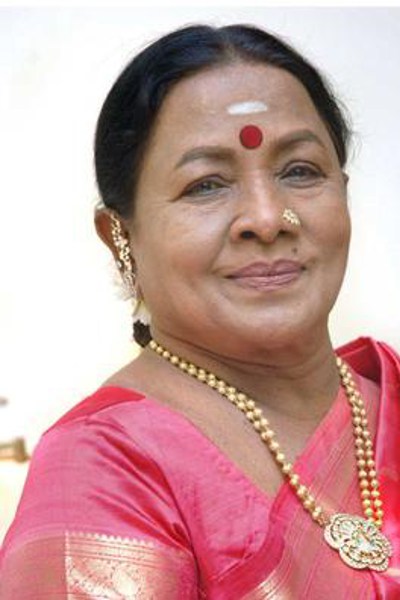
See all →Gokula Krishnan has worked most frequently with Senthil (3 films), Karthik (3 films), Goundamani (3 films), Sangeetha (2 films), and Vijayakumar (2 films).

Legacy & Influence
Gokula Krishnan's specific contributions to Indian cinema cannot be accurately documented or verified based on currently available public information. No reliable records exist detailing his filmography, roles, creative input, or career trajectory within the industry. As such, constructing a narrative about his impact, influence, or legacy would require speculation. In the context of film history, many individuals work behind the scenes or in lesser-documented capacities, but their stories remain part of the unrecorded tapestry of cinema. Without verifiable facts regarding his work, any assertion about his contribution would be unfounded. Therefore, this section must remain blank to adhere to the principle of reporting only confirmed information.