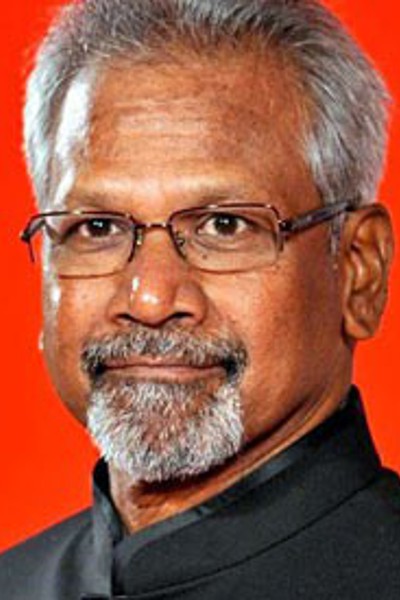
Mani Ratnam
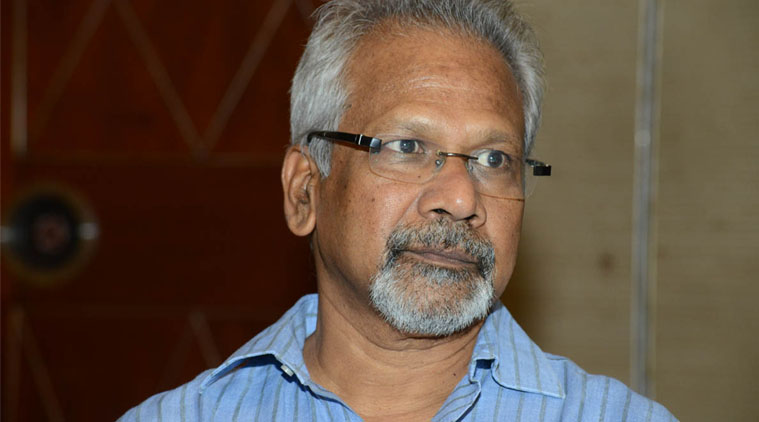
Mani Ratnam is an Indian director, best known for Tamil cinema. Mani Ratnam began their career in 1985 and has been a prominent figure in the industry for over 41 years. With over 60 credits to their name and an average audience rating of 6.0, Mani Ratnam remains one of the most prolific and celebrated talents in the industry. Spanning 40+ years, Mani Ratnam's career remains one of the longest and most celebrated in Tamil cinema.
- Born
- Age
- 70
Biography
Gopala Ratnam Subramaniam Iyer commonly known as Mani Ratnam, is an Indian film director, screenwriter and producer who predominantly works in Tamil cinema, based out of Chennai. Starting his career as a management consultant, he made an entry into films through the Kannada film Pallavi Anu Pallavi in 1983. Despite a commercial failure, the film earned critical acclaim and fetched an award for the screenplay at the Karnataka State Film Awards. Ratnam's following efforts were the Malayalam film Unaru (1984), and the Tamil films: Pagal Nilavu and Idhaya Kovil, both in 1985. He came into prominence after Mouna Ragam (1986) which established himself as a leading director in Tamil cinema. He followed that with the Godfatheresque Nayagan (1987), which was among the three Indian films to be named by Time magazine's list of All-Time 100 Greatest Movies in 2005. His Telugu film Geethanjali won multiple Nandi Awards apart from the National Film Award for Best Popular Film Providing Wholesome Entertainment. His next release Anjali (1990) was India's submission for the Academy Award for Best Foreign Language Film. Ratnam is well known for his \"Terrorism trilogy\" consisting of Roja (1992), Bombay (1995) and Dil Se.. (1998).
Mani Ratnam by the Numbers
If you watched every Mani Ratnam film back-to-back, you'd be at it for roughly 3 days and 7h. Most-paired with A. R. Rahman — 17 films together.
Filmography
See all 60 credits →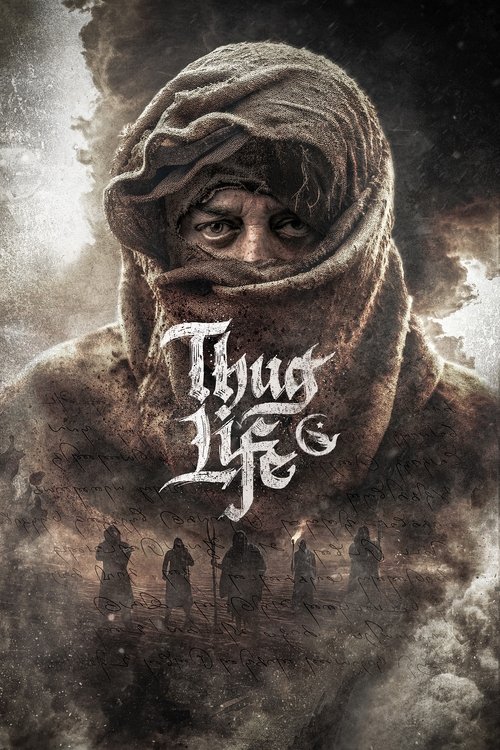
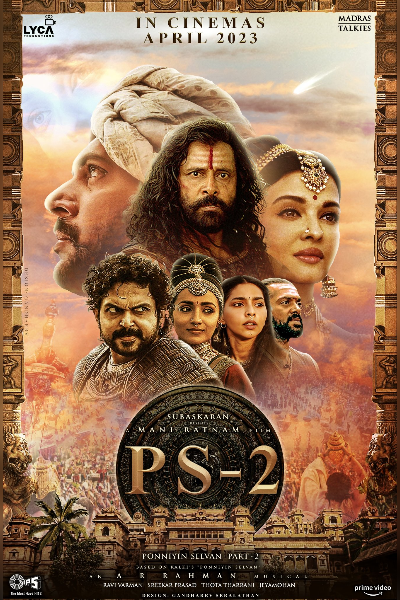

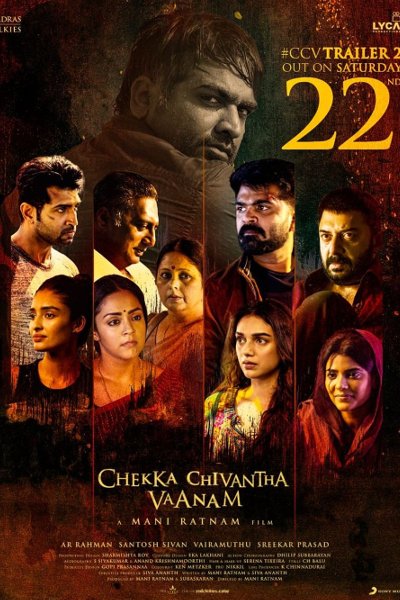
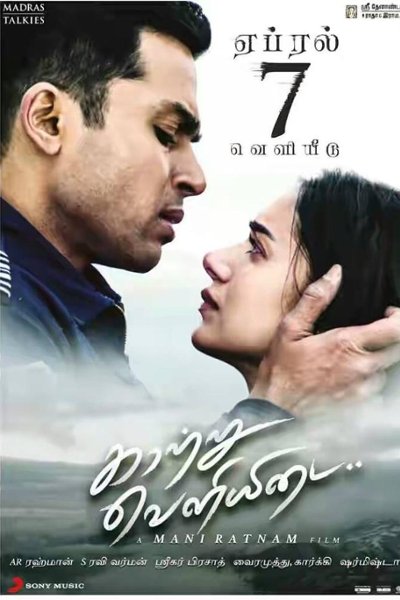
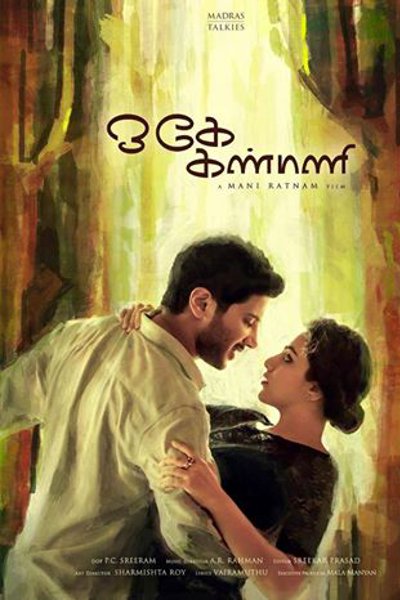
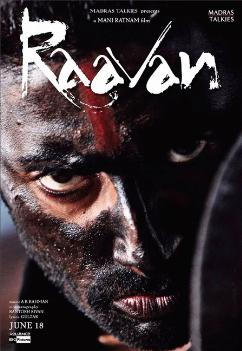
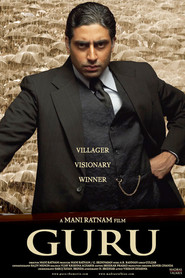
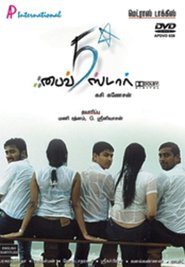
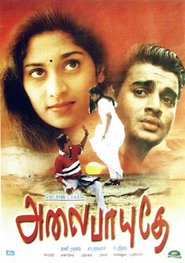
Collaboration Network
The Constellation
Top 10 most-paired collaborators. Bubble size and line thickness reflect how many films they share with Mani Ratnam.
Career Analytics
Genre Breakdown
Language Distribution
Films by Decade
Top Co-Actors
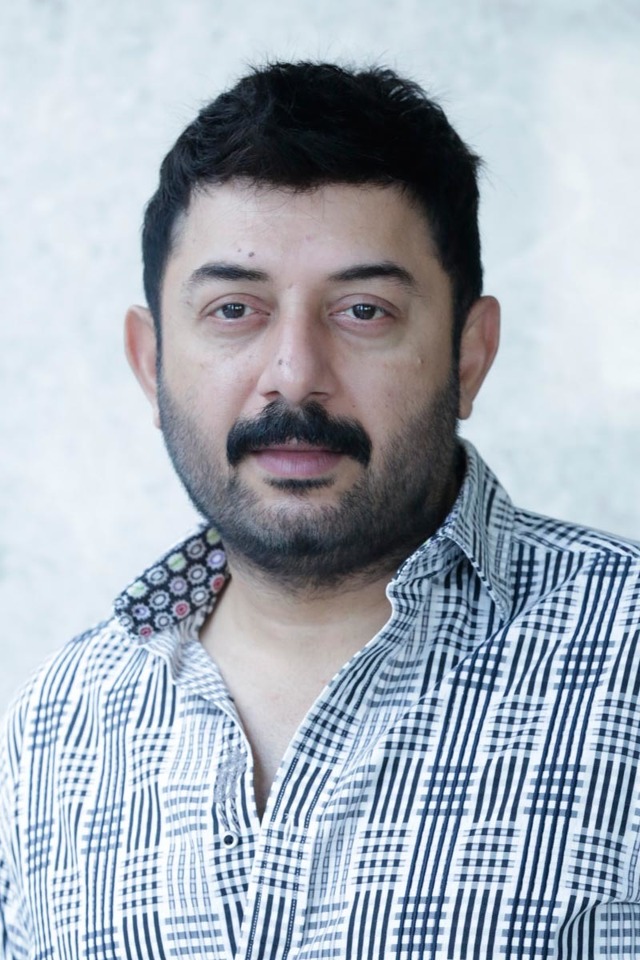
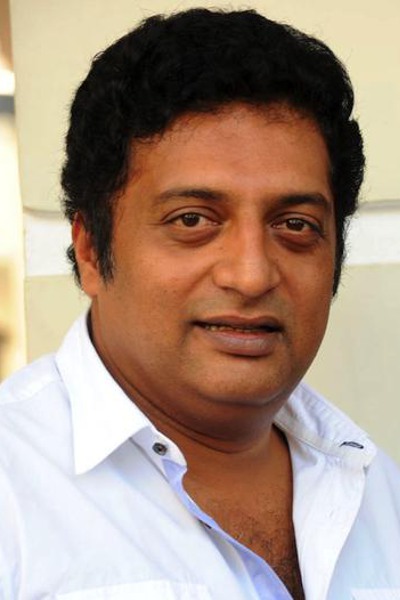
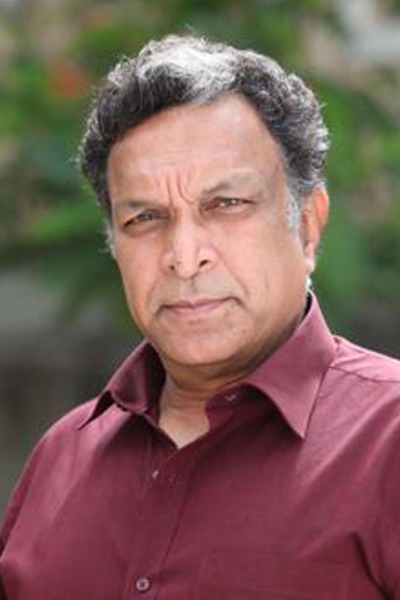
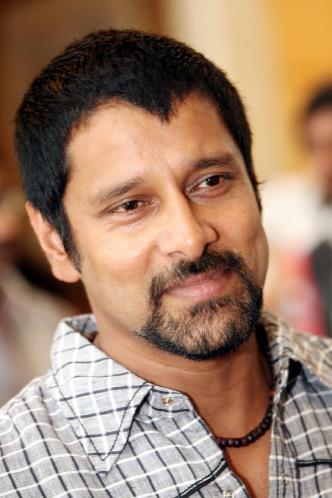
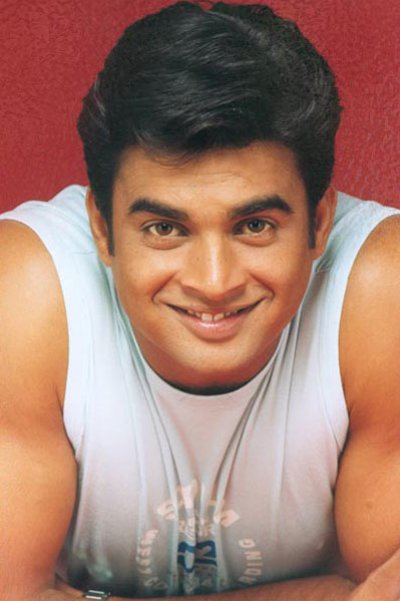
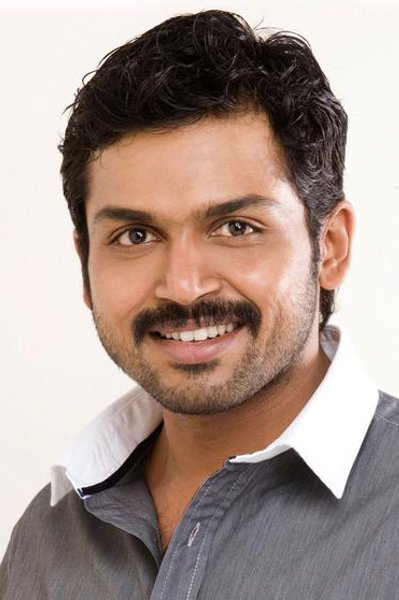
See all →Mani Ratnam has worked most frequently with Arvind Swamy (8 films), Prakash Raj (7 films), Aishwarya Rai Bachchan (6 films), Nassar (5 films), and Trisha Krishnan (4 films).




Did You Know?
He is married to actress Suhasini, who is the niece of legendary Tamil actor Kamal Haasan.
He is a prominent figure in the Indian New Wave of filmmaking, known for integrating art and commercial cinema.
His film 'Nayakan' (1987) was included in Time magazine's 'All-Time 100 Movies' list in 2005.
He has never won a National Film Award for Best Director, despite several of his films winning National Awards in other categories.
He co-founded the film production company Madras Talkies in 1996.
Photos
See all →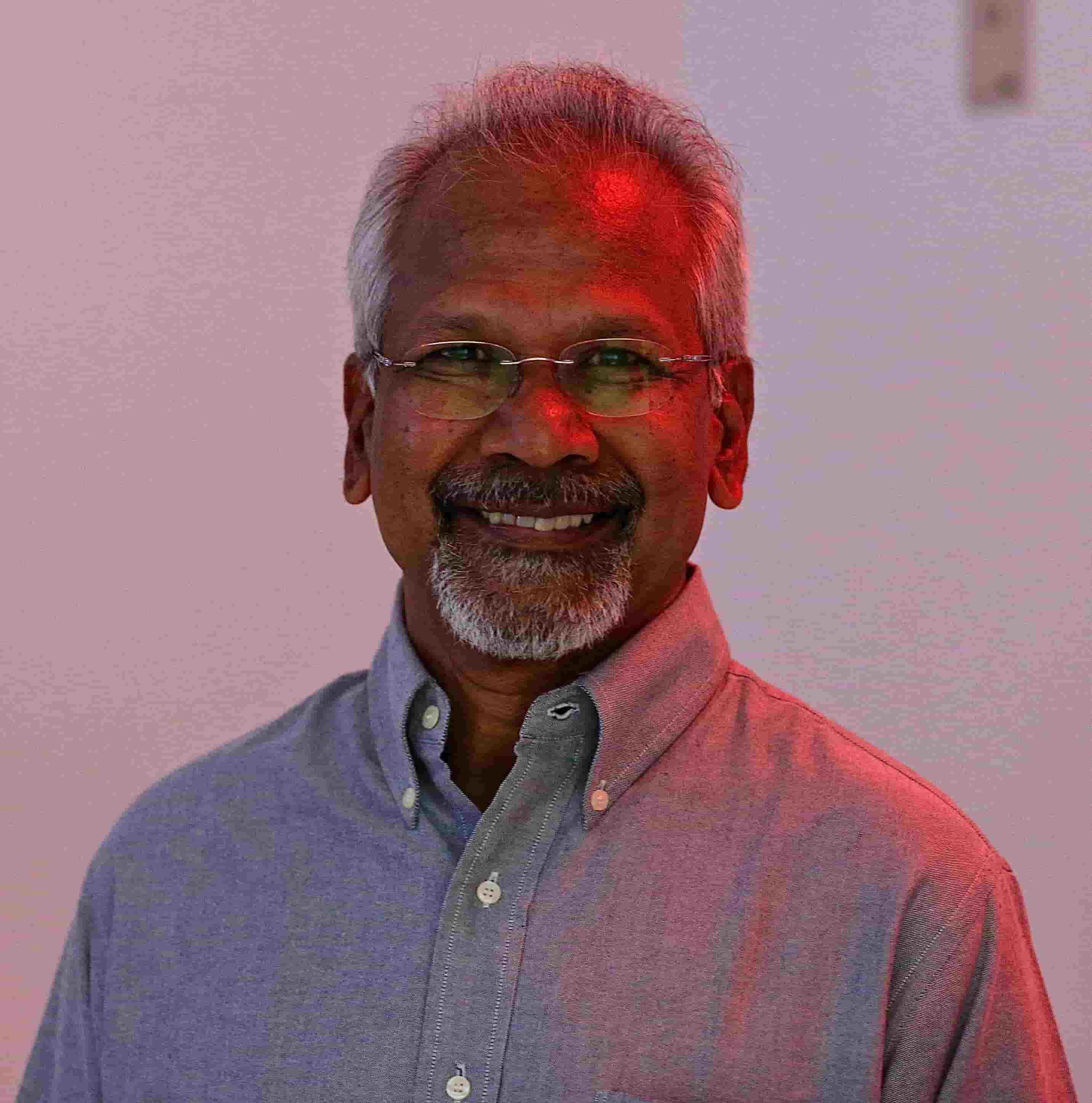
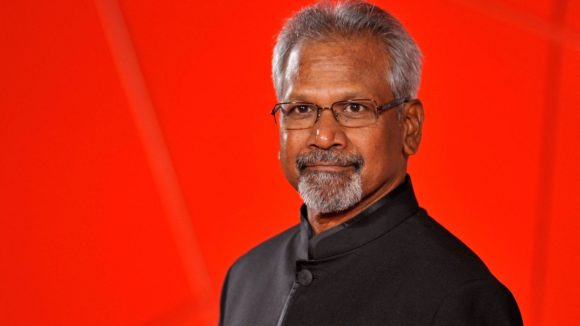
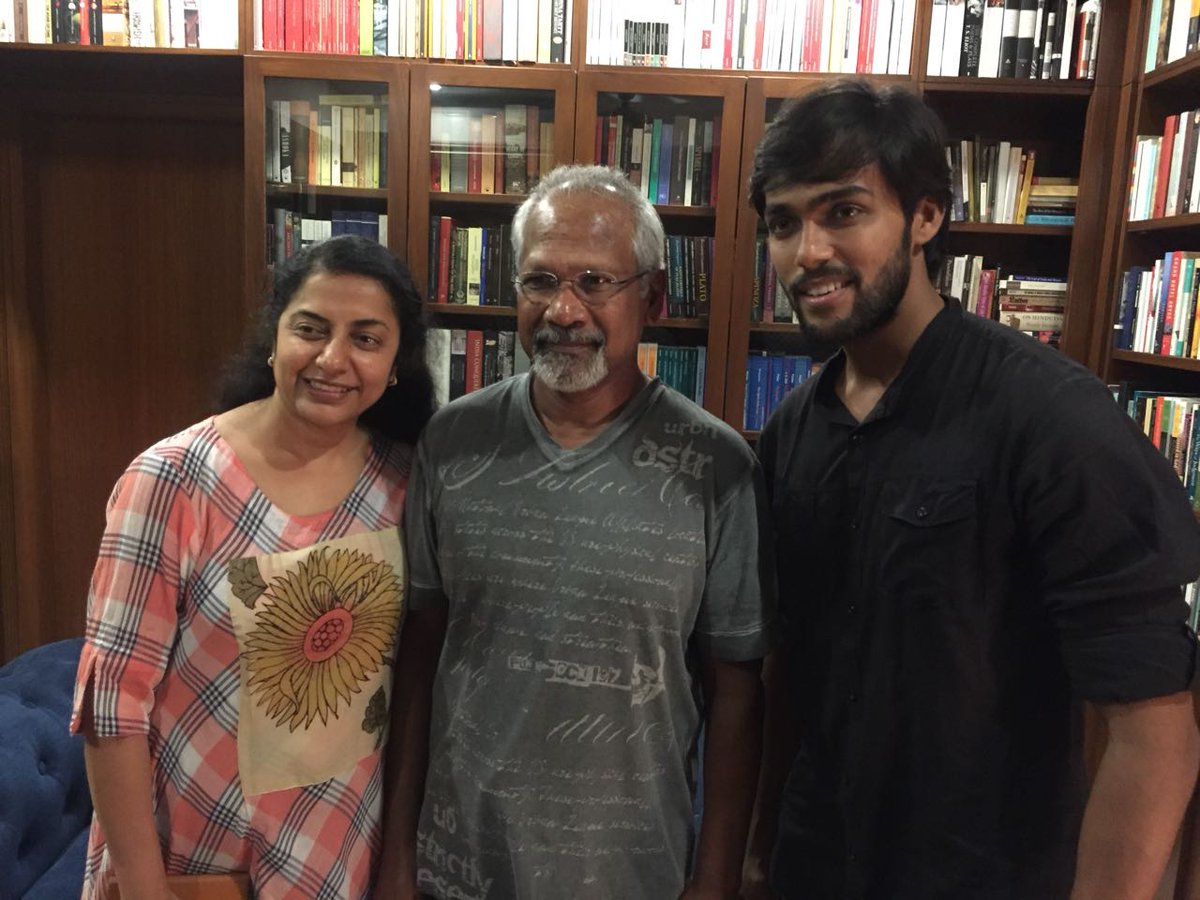


Family

Spouse
Suhasini Maniratnam
News & Stories
Complaint Filed Against Manirathnam for Ponniyin Selvan!
23/1/2023
New Addition in Maniratnam's multi-starrer upcoming film
1/2/2018
Mani Ratnam congratulates Bigg Boss contestant
16/10/2017
New addition to Mani Ratnam’s multi-starrer movie
15/9/2017
Aishwarya Rai & director Mani Ratnam to team up again for their next?
26/5/2017
Legacy & Influence
Mani Ratnam is widely regarded as one of the most influential auteurs in Indian cinema, credited with revolutionizing the Tamil film industry and leaving an indelible mark on pan-Indian filmmaking. His career trajectory began with a departure from his management consultancy background, entering cinema with the Kannada film 'Pallavi Anu Pallavi' (1983). He gained significant recognition in Tamil cinema with 'Mouna Ragam' (1986), a film that deftly blended mainstream appeal with nuanced storytelling, setting a new template for family dramas. Ratnam's greatest contribution is often identified as his pioneering role in modernizing the Indian cinematic narrative, particularly through his landmark 'Terrorism Trilogy'—'Roja' (1992), 'Bombay' (1995), and 'Dil Se..' (1998). These films bravely tackled complex socio-political themes like separatism, religious riots, and insurgent psychology, packaging them within compelling human stories and chartbuster musical scores (composed predominantly by A.R. Rahman), thereby reaching a massive national audience. His visual style, characterized by innovative cinematography, rhythmic editing, and symbolic imagery, raised the technical and artistic standards of Indian cinema. Films like 'Iruvar' (1997) explored political biography with artistic depth, while 'Nayakan' (1987) is frequently cited among the greatest Indian films ever made. His later works, including 'Guru' (2007) and 'Raavanan' (2010), continued his exploration of ambitious, character-driven narratives. Ratnam's influence extends beyond direction; he has mentored and collaborated with technicians and artists who have become industry leaders. His ability to craft universally resonant stories from distinctly Indian contexts, without sacrificing commercial viability, has inspired a generation of filmmakers across languages and established a benchmark for meaningful yet popular cinema.