Shanti Priya
Shanti Priya is an Indian actor, best known for Tamil cinema. Shanti Priya began their career in 1987 and has been a prominent figure in the industry for over 39 years. With 30 credits to their name, Shanti Priya remains one of the most prolific and celebrated talents in the industry. Spanning 30+ years, Shanti Priya's career remains one of the longest and most celebrated in Tamil cinema.
- Born
- Age
- 56
Biography
Shantipriya (born Shanthamma) is an Indian actress who worked across Tamil, Telugu, and Hindi cinema during the late 1980s and mid-1990s, and is the younger sister of Filmfare Award-winning actress Bhanupriya. She made her Tamil debut in Enga Ooru Pattukaran (1987) opposite Ramarajan, which became a silver jubilee hit, and followed it with Poovizhi Raja (1988). She later transitioned to Hindi films, appearing opposite Mithun Chakraborty in Mere Sajana Saath Nibhana (1992) and Meharbaan (1993), and opposite Akshay Kumar in Ikke Pe Ikka (1994). Born in Rajamahendravaram, Andhra Pradesh, she built a career spanning multiple language industries before stepping back from films in the mid-1990s.
Career Milestones
Tamil film debut
View film →Bollywood debut
Iconic Roles
Saugandh
Her Hindi film debut opposite Akshay Kumar (also his debut), playing a strong rural character that established her in Bollywood.
Meharbaan
A city-educated woman deeply in love with Ravi, opposite Mithun Chakraborty and Ayesha Jhulka.
Sigappu Thali
A notable Tamil film role that was part of her active period in South Indian cinema.
Defining Moments
Silver jubilee debut performance as Shenbagam, the wealthy landlord's daughter who falls in love with an orphan milkman — her graceful screen presence and dance sequences drove the film's massive commercial success
Her Tamil debut was a silver jubilee hit, instantly establishing her as a bankable leading lady in Tamil cinema and launching her multilingual career across Tamil, Telugu, and Hindi industries
View film →Dance sequences and rural romantic characterization that showcased her classical dance training alongside Ramarajan in a landmark Tamil rural love story
Continued her successful Tamil run following Enga Ooru Pattukaran, reinforcing her reputation as a dancer-actress capable of carrying mainstream Tamil entertainers
View film →Bollywood debut opposite Akshay Kumar (also in his debut leading role) as Chand — her chemistry with the newcomer and ability to hold her own in a Hindi action-drama drew significant attention
Marked a landmark crossover moment — she was already an established South Indian star who gave Akshay Kumar credibility in his debut, cementing her status as a pan-India actress
Role as Chanchal opposite Mithun Chakraborty, navigating the emotional demands of a family drama with a high-profile co-star
Demonstrated her versatility in Hindi mainstream cinema alongside one of Bollywood's biggest stars of the era, broadening her audience beyond South Indian cinema
View film →Performance as Neha opposite Mithun Chakraborty in a second consecutive Bollywood collaboration, reinforcing her standing as a reliable leading lady in Hindi films
Back-to-back pairings with Mithun Chakraborty reflected strong industry confidence in her appeal and helped sustain her Bollywood career through the early 1990s
View film →Shanti Priya by the Numbers
If you watched every Shanti Priya film back-to-back, you'd be at it for roughly 1 day and 18h. Most-paired with Senthil — 6 films together.
Filmography
See all 30 credits →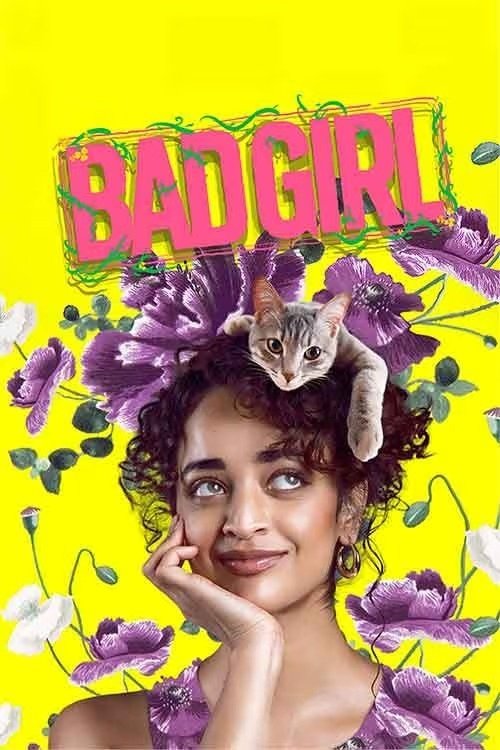
Collaboration Network
The Constellation
Top 10 most-paired collaborators. Bubble size and line thickness reflect how many films they share with Shanti Priya.
Career Analytics
Genre Breakdown
Language Distribution
Films by Decade
Top Co-Actors
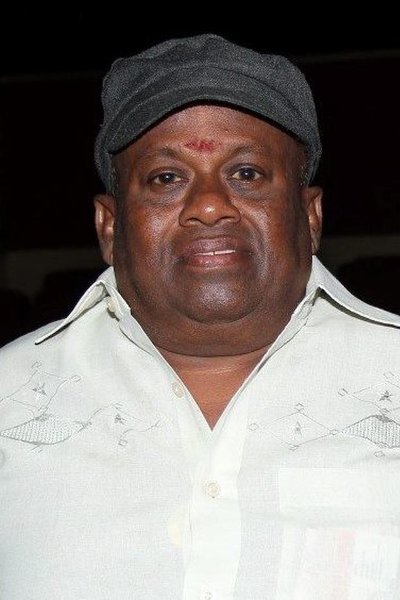
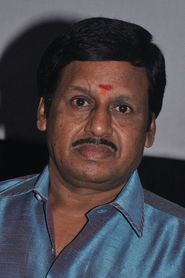
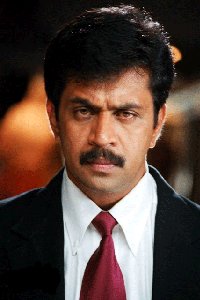
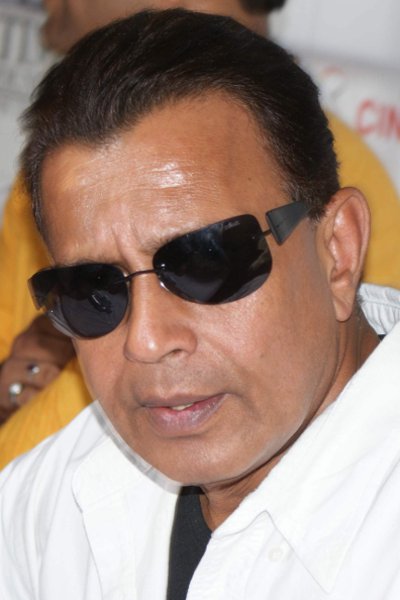
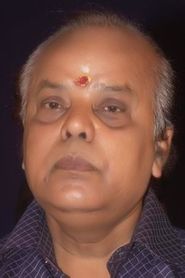
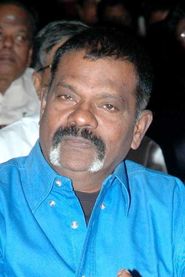
See all →Shanti Priya has worked most frequently with Gangai Amaran (2 films), Raj N. Sippy (2 films), Raj Sippy (2 films), Senthil (6 films), and Ramarajan (4 films).


Legacy & Influence
Shanti Priya was a notable actress in South Indian cinema during the late 1980s and early 1990s, primarily recognized for her work in Tamil and Telugu films. Her career, though not extensively documented, represents a segment of actresses who contributed to the industry during a period of transition. She is best known for her role in the Tamil film 'Enga Ooru Pattukaran' (1987), a comedy-drama that gained popularity and remains a remembered title from that era. This film, alongside others like 'Poovizhi Raja' (1988), featured her in supporting roles, often in village-centric or family-oriented stories that were prevalent at the time. Her filmography, including titles such as 'Mere Sajana Saath Nibhana' (1992) and 'Meharbaan' (1993), indicates a career spanning the late 80s to mid-90s, typically in genres blending drama, romance, and comedy. While specific details about her roles and performances are scarce, her presence in these films contributed to the ensemble casts that drove regional cinema's narrative appeal during that decade. The limited available information suggests her career was active but not prominently highlighted in mainstream cinematic history. Her work remains a part of the broader tapestry of supporting performers who helped populate the vibrant world of South Indian cinema, providing continuity and character depth in films that often centered on rural life, family conflicts, and social themes. Without verified details on awards, major critical acclaim, or a long-standing iconic status, her contribution is viewed as part of the collective effort of numerous artists who sustained the film industry's output during that period, leaving a subtle imprint on the memories of audiences from that time.