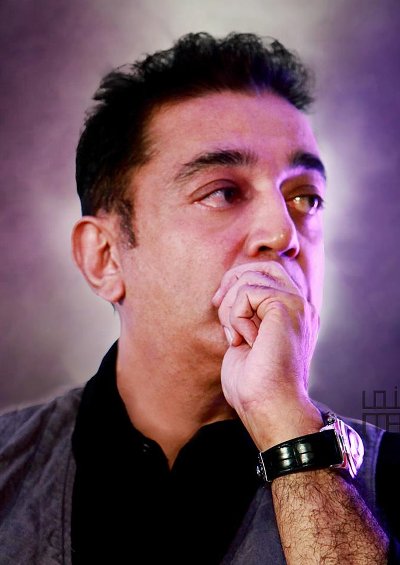
Kamal Haasan
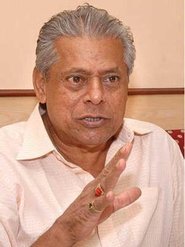
Kamal Haasan is an Indian actor, best known for Tamil cinema. Kamal Haasan began their career in 1971 and has been a prominent figure in the industry for over 55 years. With over 210 credits to their name and an average audience rating of 6.4, Kamal Haasan remains one of the most prolific and celebrated talents in the industry. Kamal Haasan's influence on Tamil cinema is generational — their work continues to define the standard for the industry.
- Born
- Age
- 71
Biography
Kamal Haasan is an Indian film actor, screenwriter, director, producer, playback singer, choreographer and lyricist who works primarily in the Tamil film industry. Haasan has won several Indian film awards including four National Film Awards and 19 Filmfare Awards. With seven submissions, Kamal Haasan has starred in the highest number of films submitted by India for the Academy Award Best Foreign Language Film. Haasan's production company, Rajkamal International, has produced several of his films. Kamal Haasan received the Padma Shri in 1990 and the Padma Bhushan in 2014.
Iconic Roles
Nayakan
A Mumbai-based underworld don whose life is chronicled in this Mani Ratnam crime epic. Kamal Haasan won the National Film Award for Best Actor for this nuanced, haunting portrayal, widely regarded as one of the greatest performances in Indian cinema.
Thevar Magan
An urban-educated man drawn into rural caste conflicts and family legacy. Kamal Haasan's layered performance blends fierce loyalty with quiet vulnerability; the film won the National Award for Best Tamil Film.
Anbe Sivam
A physically disfigured Communist trade union leader whose journey with a self-absorbed young man becomes a meditation on love, humanity, and ideology. Considered one of Kamal Haasan's most philosophically rich performances.
Virumaandi
A rural outlaw whose story is told from two opposing perspectives in a Rashomon-inspired narrative. Kamal Haasan also directed the film, which pioneered live sound recording in Tamil cinema.
Dasavathaaram
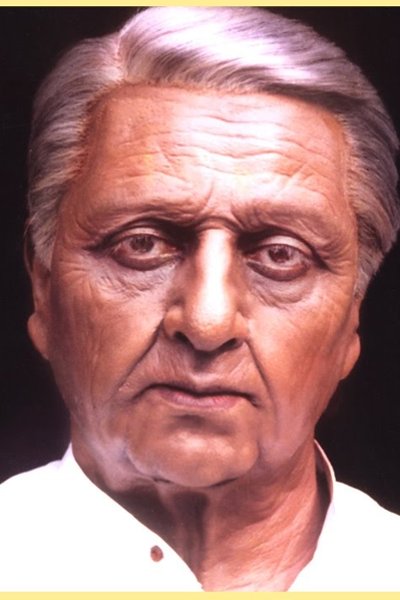
Kamal Haasan famously played ten distinct characters in this action epic, including a scientist, George W. Bush, and a 12th-century devotee, showcasing an extraordinary range of prosthetic transformation and acting versatility.
Defining Moments
The 'Naan Yaaruda?' (Who am I?) confrontation scene — an aging don breaks down as he grapples with his identity and guilt after years of crime, delivering one of Indian cinema's most celebrated pieces of screen acting.
Universally cited as Kamal Haasan's magnum opus performance. The scene is referenced in virtually every critical analysis of Indian cinema acting; Time magazine listed Nayakan in its All-Time 100 best films. The raw, unguarded grief cemented Kamal as a truly world-class actor.
The climactic father-son confrontation with Sivaji Ganesan — Shaktivelu argues against caste violence and tradition, only to ultimately be pulled back into the cycle he tried to escape, culminating in a blood-soaked reckoning.
The on-screen clash between Kamal Haasan and the legendary Sivaji Ganesan is considered one of the greatest actor pairings in Tamil film history. The film won the National Film Award for Best Tamil Film and is a landmark in exploring caste and rural feudalism.
View film →The bus accident flashback and final monologue — Nalla Sivam reveals the tragic cost of his communist idealism (losing his arm and his love), yet remains joyful and compassionate, delivering the film's core theme: 'Love is God.'
Considered one of Tamil cinema's most emotionally resonant performances. The contrast between Sivam's disfigured body and his boundless humanity is widely discussed as a masterclass in humanist storytelling. The film has cult status and is endlessly re-evaluated by critics.
View film →The Rashomon-style courtroom narrative — Virumaandi's true nature is revealed through conflicting testimonies, shifting the audience's moral compass entirely. The scene where Virumaandi's composure cracks as he recounts the injustice done to him is electrifying.
Haasan wrote and directed this film, using a non-linear truth-vs-perception structure rarely seen in Tamil mainstream cinema. Critics frequently cite it as one of the most layered anti-hero portrayals in Indian cinema, and the film sparked wide debate on the death penalty.
View film →The identity revelation sequence — Wisam Ahmad Kashmiri, introduced as a meek Kathak dancer, is unmasked as a RAW agent who has infiltrated an Al-Qaeda cell, combining physical transformation with spy-thriller tension in a single bravura sequence.
The film's central reveal recontextualizes every prior scene and showcased Kamal's ability to inhabit two completely opposite personas simultaneously. Despite a controversial release (banned briefly in Tamil Nadu), it set new benchmarks for Indian spy thrillers and demonstrated his range as actor-director-writer.
View film →Kamal Haasan by the Numbers
If you watched every Kamal Haasan film back-to-back, you'd be at it for roughly 19 days and 3h. Most-paired with Ilayaraja — 20 films together.
Filmography
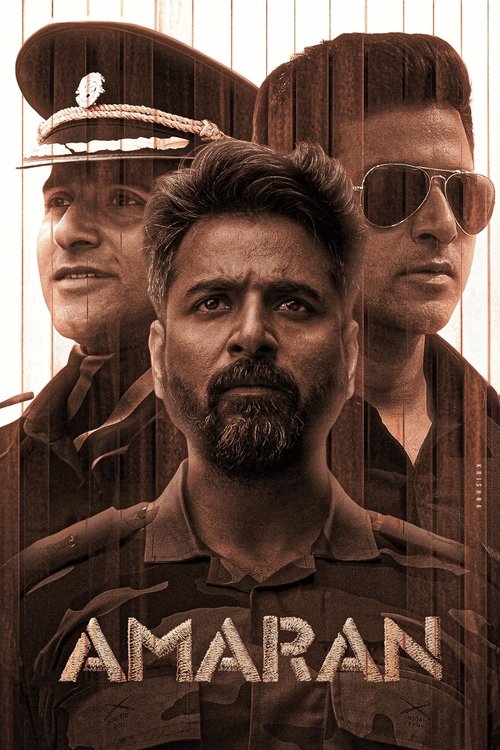
See all 210 credits →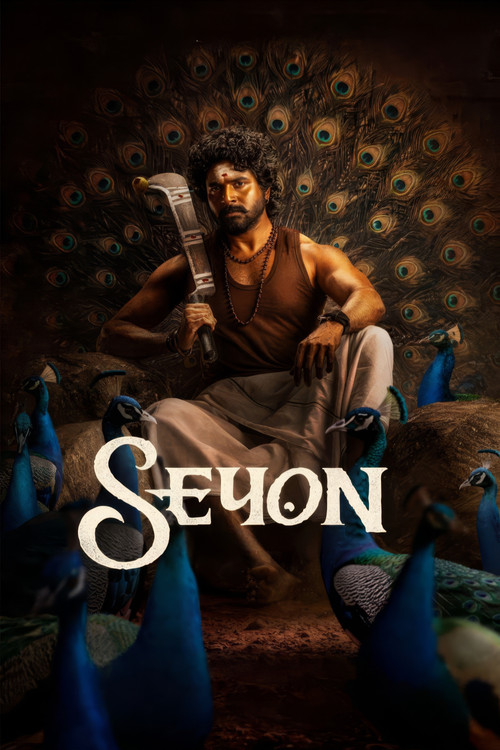

Collaboration Network
The Constellation
Top 10 most-paired collaborators. Bubble size and line thickness reflect how many films they share with Kamal Haasan.
Career Analytics
Genre Breakdown
Language Distribution
Films by Decade
Top Co-Actors
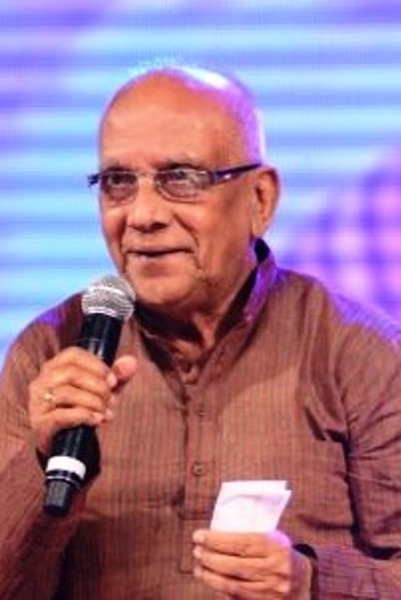
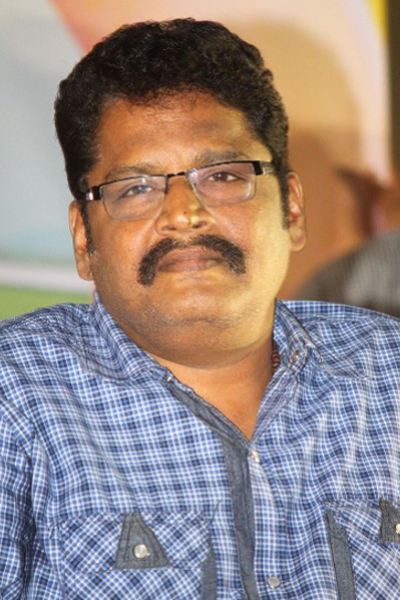
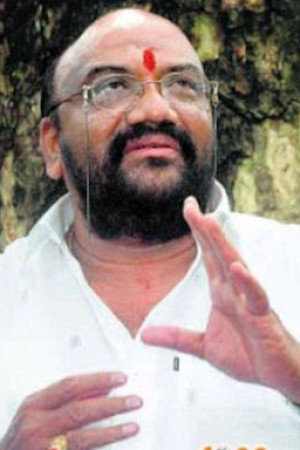
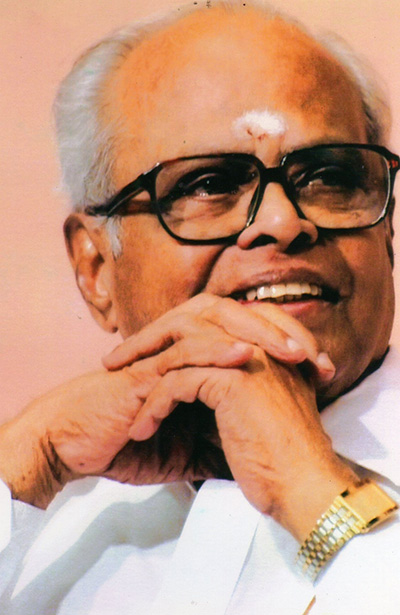
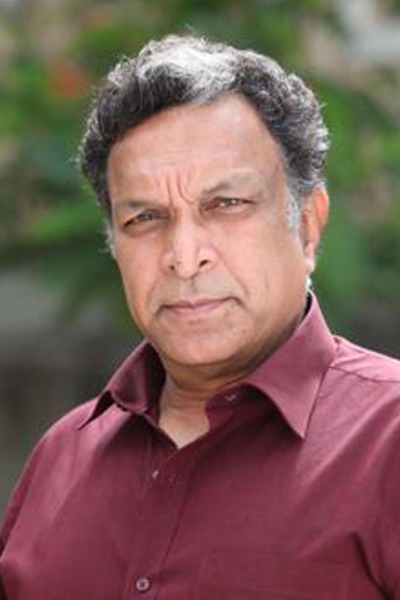
See all →Kamal Haasan has worked most frequently with Singeetham Srinivasa Rao (7 films), K. S. Ravikumar (5 films), Suresh Krishna (3 films), Chakri Toleti (2 films), and Santhana Bharathi (2 films).

Did You Know?
Kamal Haasan made his film debut as a child artist in the 1960 Tamil film 'Kalathur Kannamma', for which he won the President's Gold Medal.
He is the first Indian actor to have acted in over 200 films.
Kamal Haasan is a recipient of the Padma Shri (1990), Padma Bhushan (2014), and the French Chevalier de l'Ordre des Arts et des Lettres (2016).
He is the founder of the political party Makkal Needhi Maiam (MNM), launched in 2018.
He has been the editor of the Tamil magazine 'Mayyam'.
Signature Dialogues
For instance, if Taj Mahal crumbles down, will you all stop loving it? Love is a feeling, you say? Communism too is a feeling.
Nalla Sivam·Anbe Sivam
That heart of yours which shed tears for a complete stranger — That is God!
Nalla Sivam·Anbe Sivam
There's no need for a terrorist to appear ugly. He can look handsome. Likewise, there is no need for a good man to look handsome.
Nalla Sivam·Anbe Sivam
The one who forgives is a great person, but the one who asks forgiveness is a much greater person.
Virumaandi·Virumaandi
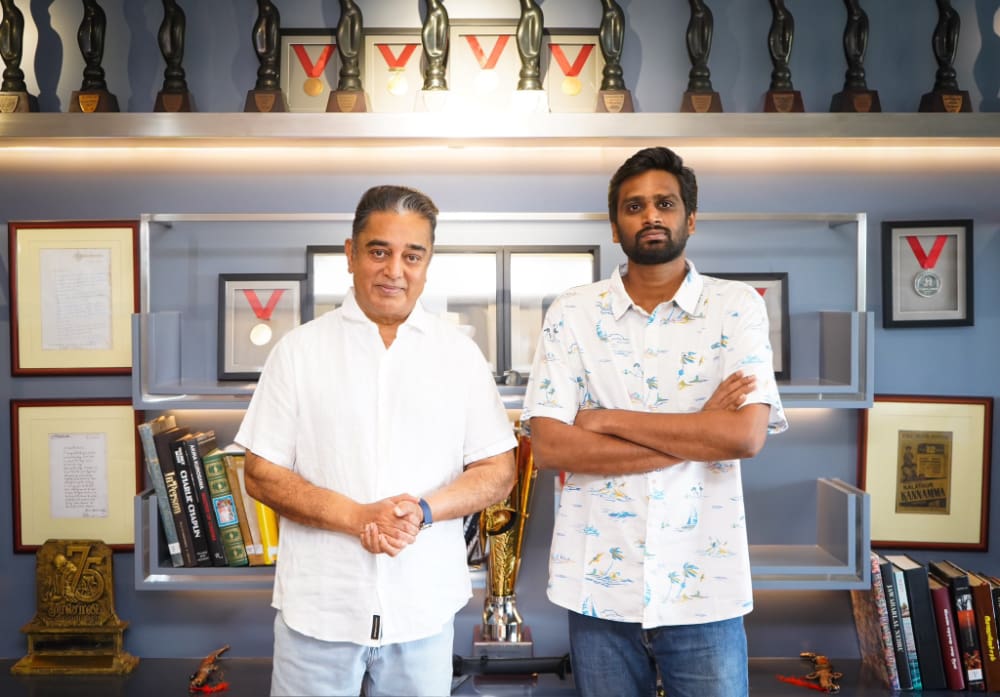
Photos
See all →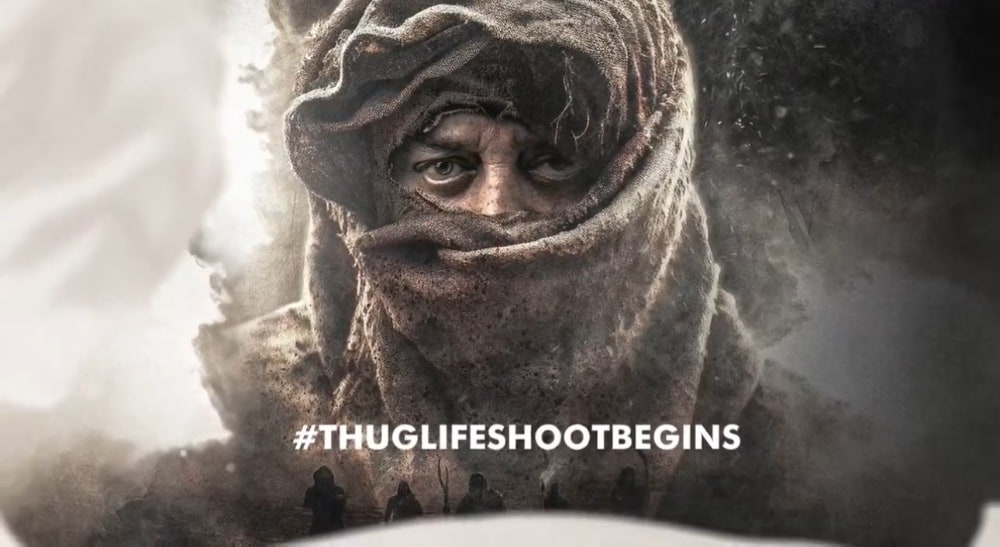




Videos
Family
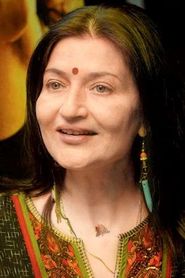
Spouse
Sarika

Child
Akshara Haasan

Child
Shruti Haasan
News & Stories
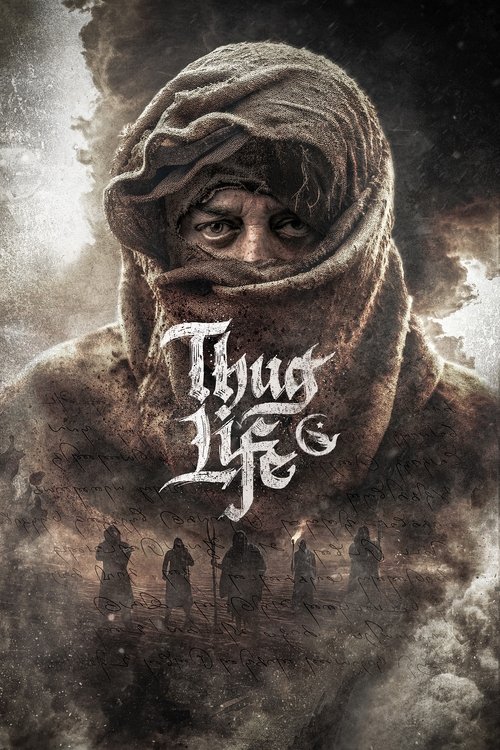
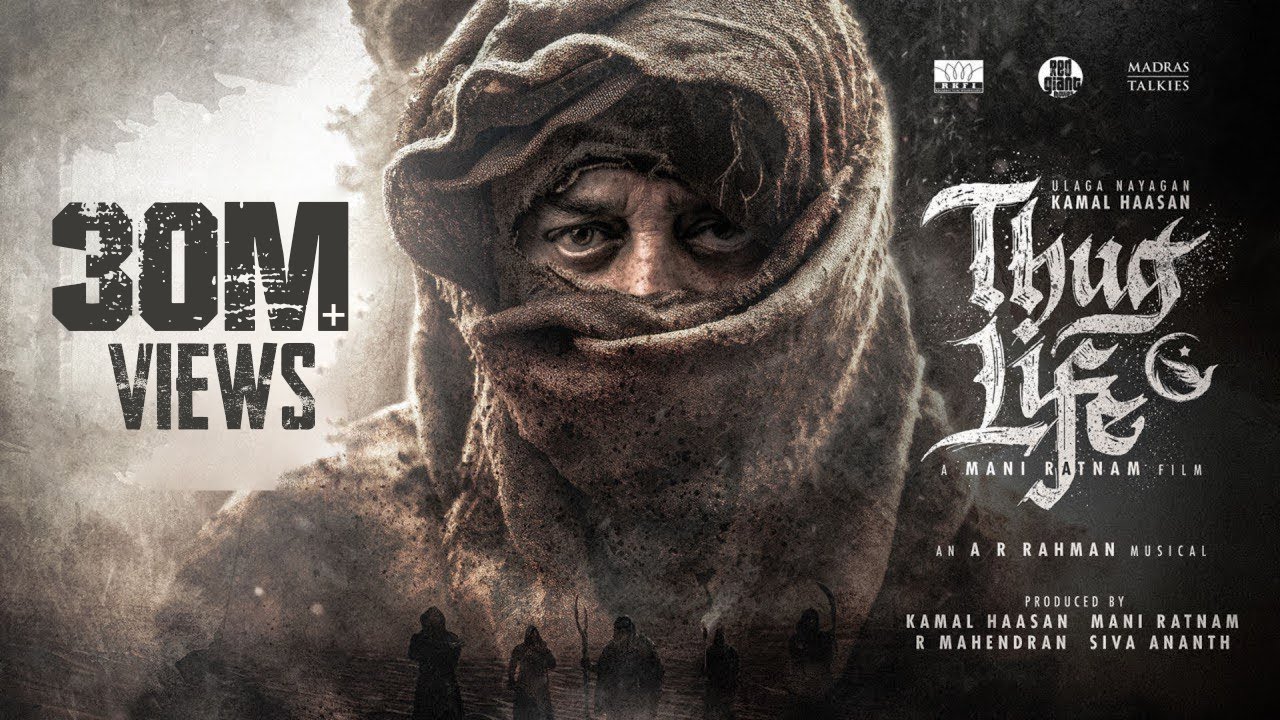
The shooting for ThugLife officially begins today!
24/1/2024
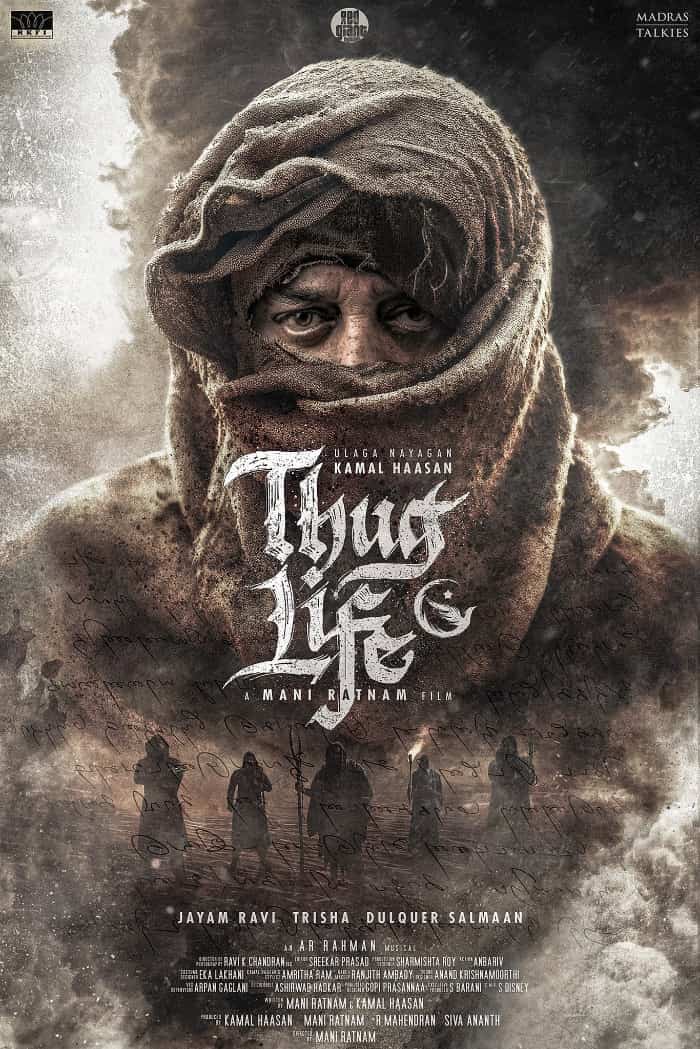
Aishwarya Lekshmi is now part of the team for the movie 'Thug Life' by Mani Ratnam and Kamal Haasan.
12/1/2024
Announcing "KH234" - A Blockbuster Collaboration with Kamal Haasan, Mani Ratnam, and AR Rahman!
6/11/2023
KH234 Gets a New Title “ThugLife”
6/11/2023
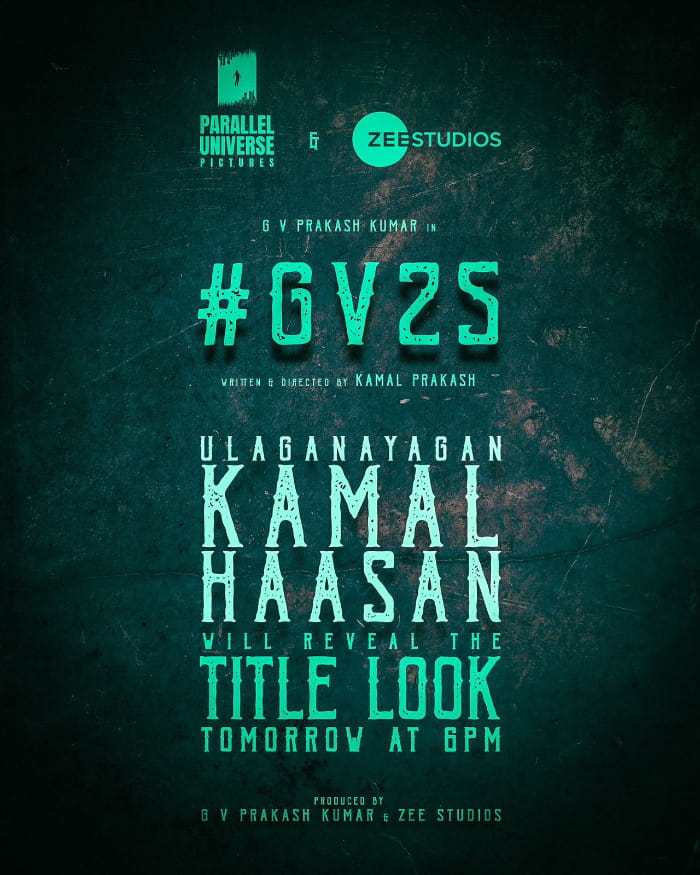
Kamal Haasan to Launch GV Prakash's 25th Movie Title Today
10/10/2023
Legacy & Influence
Kamal Haasan is a monumental figure in Indian cinema, renowned for his relentless innovation and versatility across seven decades. His career trajectory began as a child artist in the 1960s, blossoming into a leading man in the 1970s with films like 'Apoorva Raagangal' and '16 Vayathinile,' where he showcased a naturalistic acting style that broke from theatrical conventions. He consistently pushed technical and narrative boundaries, pioneering sophisticated makeup, special effects, and sound design in Tamil cinema through his own production house, Rajkamal International. Films like 'Hey Ram,' 'Virumaandi,' and 'Vishwaroopam' exemplify his ambition as a writer-director tackling complex historical and political themes. Haasan is celebrated for his chameleonic ability to inhabit diverse roles, from the iconic gangster Velu Naicker in 'Nayagan' to a man with dwarfism in 'Appu' and a woman in 'Avvai Shanmugi.' His contributions extend beyond acting to screenwriting, direction, production, playback singing, and choreography, making him a complete filmmaker. He has significantly influenced generations of actors and technicians, raising the bar for artistic and technical excellence. His work has been instrumental in bringing Tamil cinema to a pan-Indian and international audience, cementing his status as a cultural icon and one of the most influential artists in the history of Indian film.