Trivikram Srinivas
Trivikram Srinivas is an Indian director, best known for Tamil cinema. Trivikram Srinivas began their career in 2002 and has been a prominent figure in the industry for over 24 years. With 30 credits to their name and an average audience rating of 6.6, Trivikram Srinivas remains one of the most prolific and celebrated talents in the industry. Spanning 20+ years, Trivikram Srinivas's career remains one of the longest and most celebrated in Tamil cinema.
- Born
- Age
- 54
Biography
Trivikram Srinivas (born Akella Naga Srinivasa Sarma) is a Telugu film director and screenwriter, best known for crafting commercially successful, dialogue-driven entertainers in Telugu cinema. His most acclaimed works include Athadu (2005), Attarintiki Daredi (2013), and Ala Vaikunthapurramuloo (2020), earning him two Filmfare Awards South for Best Director and six Nandi Awards for Best Dialogue Writer. His films are distinguished by witty, philosophical dialogues and a recurring celebration of family bonds, often starring Pawan Kalyan or Allu Arjun in roles that balance humor with emotional depth. A gold medalist in Nuclear Physics from Andhra University, Trivikram transitioned to cinema as a screenwriter in 1999 and has become one of the highest-paid directors in Telugu cinema.
Career Milestones
Directorial debut with Nuvve Nuvve, won Nandi Award for Best Feature Film (Silver)
View film →Breakthrough as director with Athadu, establishing him as a top Telugu filmmaker
View film →Attarintiki Daredi became one of the highest-grossing Telugu films, won Filmfare Award for Best Director
Received BN Reddy National Award for contributions to Indian cinema
View film →Ala Vaikunthapuramulo became a blockbuster, one of the highest-grossing Telugu films of all time
View film →Defining Moments
Ajay and Nithya's climactic reconciliation in the rain — Trivikram's debut direction featuring his trademark rapid-fire dialogue and the resolution that balanced comedy, romance, and emotion in a single scene
The film won the Nandi Award for Best Feature Film (Silver) and announced Trivikram as a directorial force; the scene demonstrated that his dense, witty writing style could work as direction, not just screenplay
View film →Pardhu's 'I am not your son' climax confrontation — the assassin-turned-family-man rejects his biological roots and chooses the surrogate family, culminating in a philosophical declaration about identity and belonging
Established Trivikram's signature theme — chosen family over blood — and the dialogue became one of the most quoted in Telugu cinema, cementing his reputation as 'Maatala Maantrikudu' (Wizard of Words)
View film →The father-daughter airport farewell and Seetayya's (Pawan Kalyan) self-sacrificing departure — where a devoted father quietly steps back so his daughter can have a better life, underscored by Trivikram's restrained yet poetic dialogue
The film became the highest-grossing Telugu film at the time; this scene crystallised Trivikram's ability to write paternal love without melodrama, and the dialogues from it were widely circulated and quoted
View film →Bantu discovers the baby-swap truth — the interval block where Bantu (Allu Arjun) realises he was swapped at birth and the man who raised him never truly claimed him, delivered with restrained fury and layered dialogue
Became the emotional spine of the film and one of the most talked-about interval blocks in recent Telugu cinema; Trivikram's writing turned a familiar trope into a deeply personal gut-punch that drove the film's record-breaking run
Arjun's 'Nenu konchem late ga vasthanu' boardroom/confrontation scene where he dismantles the antagonist's authority through sharp wit and philosophical one-liners rather than physical force
Showcased Trivikram's unique craft of making verbal sparring as cinematic as action; widely clipped and shared, it defined the Allu Arjun–Trivikram collaboration's peak
Trivikram Srinivas by the Numbers
If you watched every Trivikram Srinivas film back-to-back, you'd be at it for roughly 1 day and 8h. Most-paired with Brahmanandam — 6 films together.
Filmography
See all 30 credits →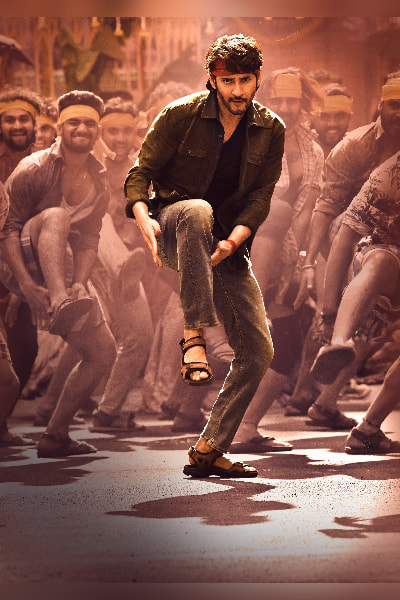
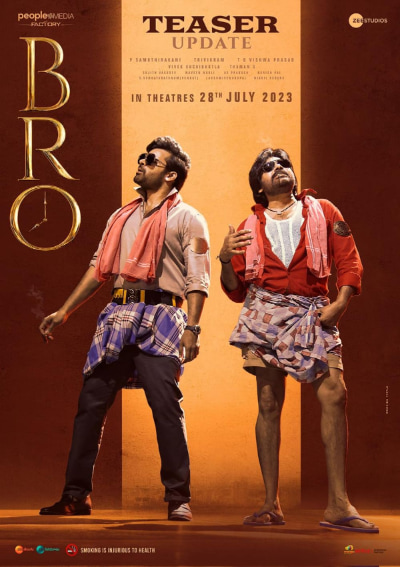
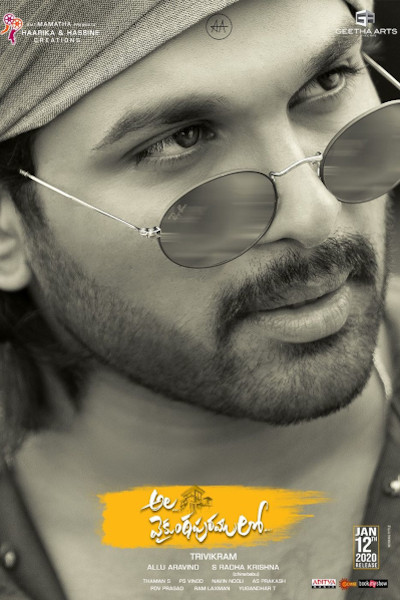
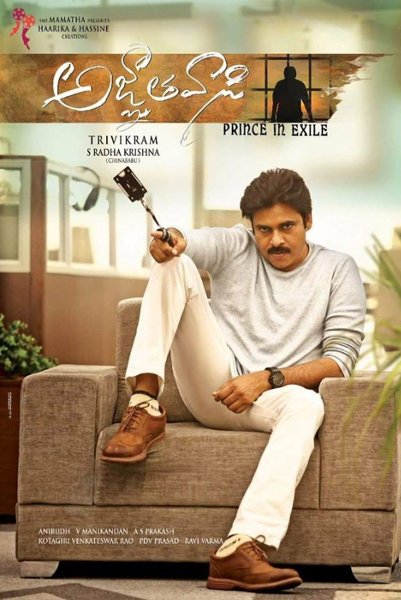
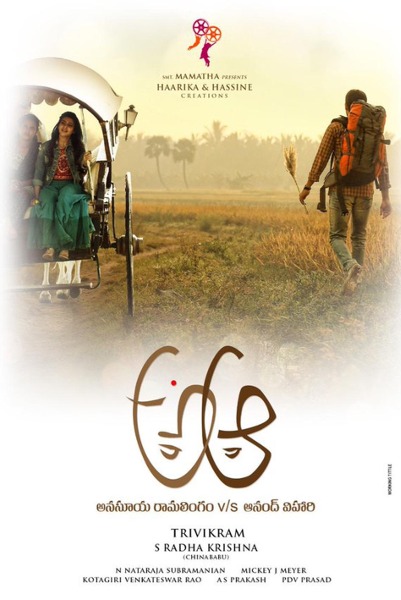
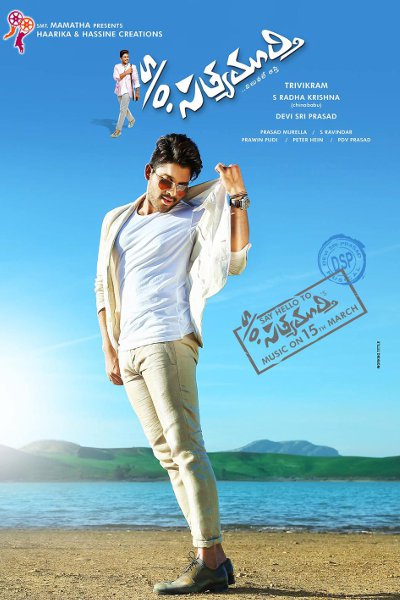
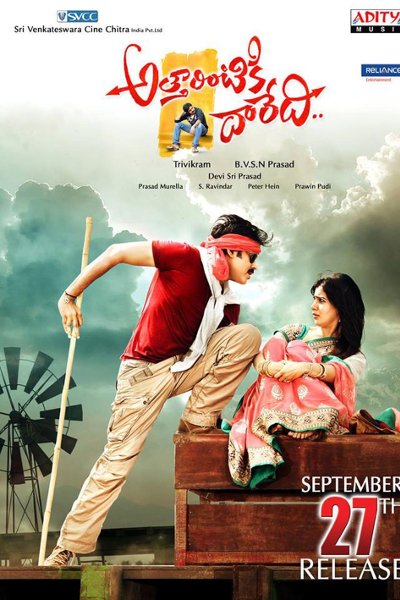
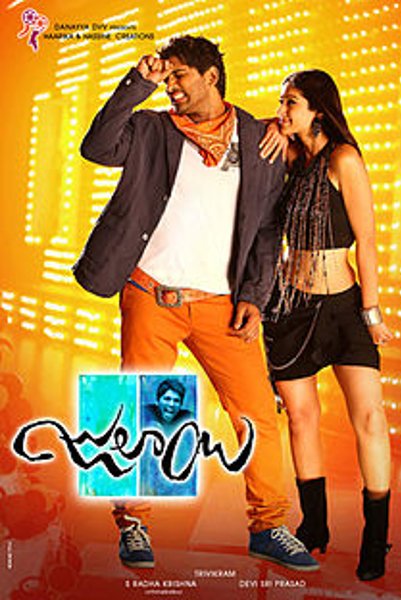
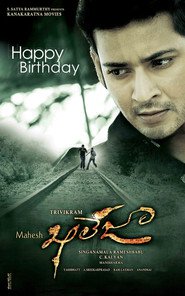
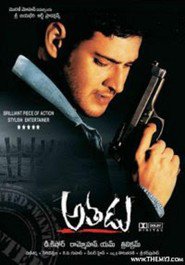
Collaboration Network
The Constellation
Top 10 most-paired collaborators. Bubble size and line thickness reflect how many films they share with Trivikram Srinivas.
Career Analytics
Genre Breakdown
Language Distribution
Films by Decade
Top Co-Actors
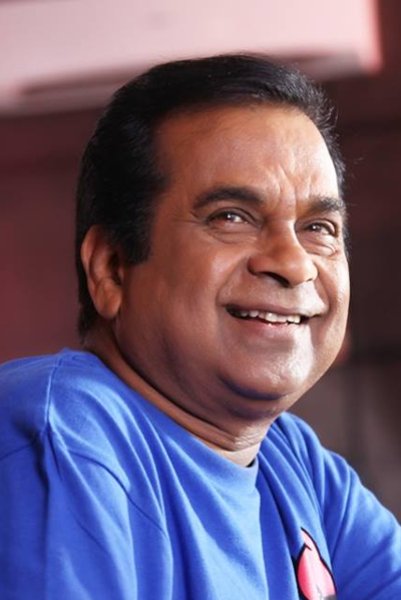
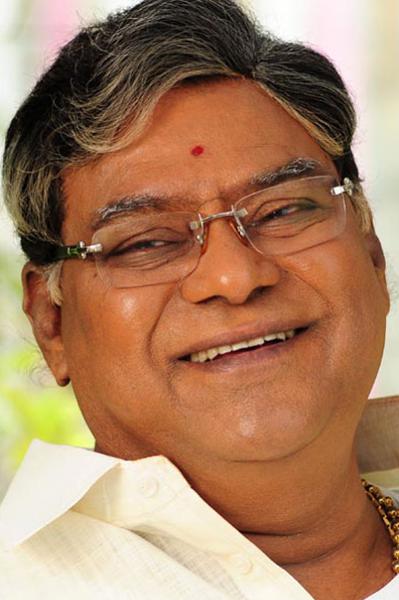
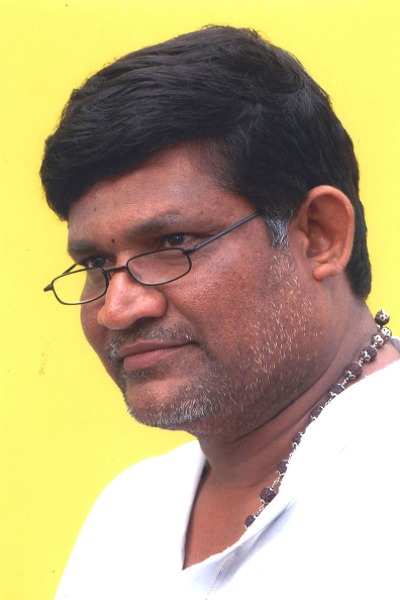
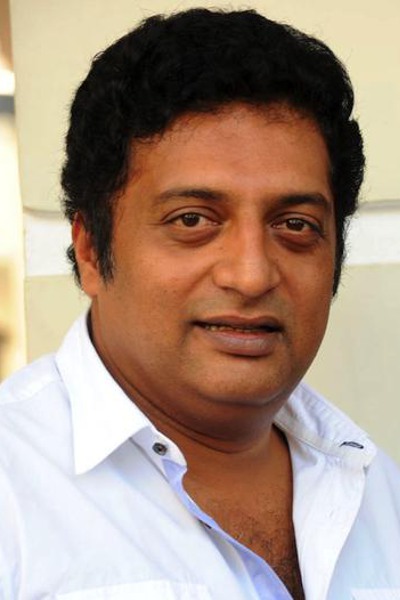
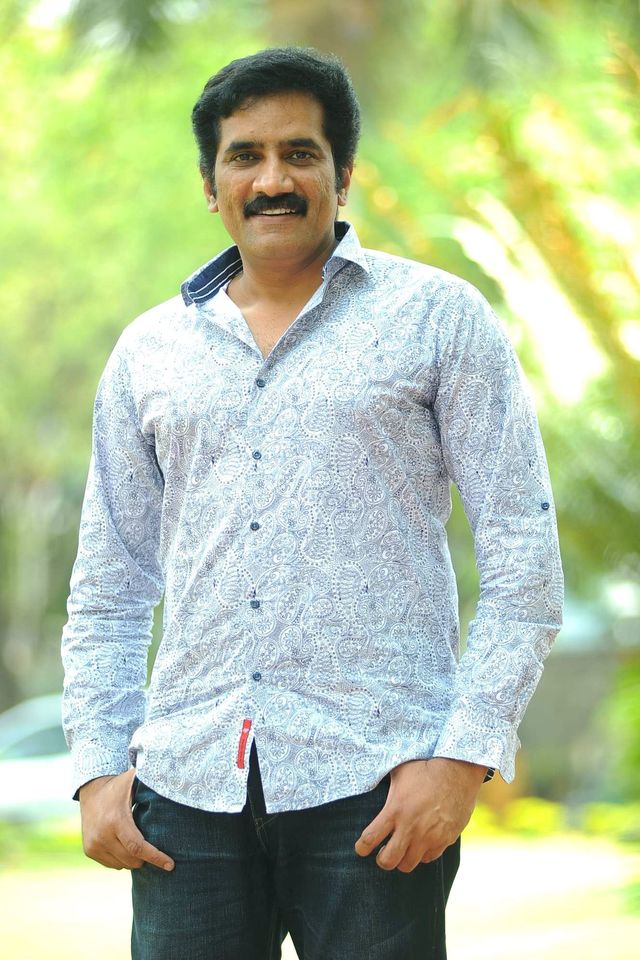
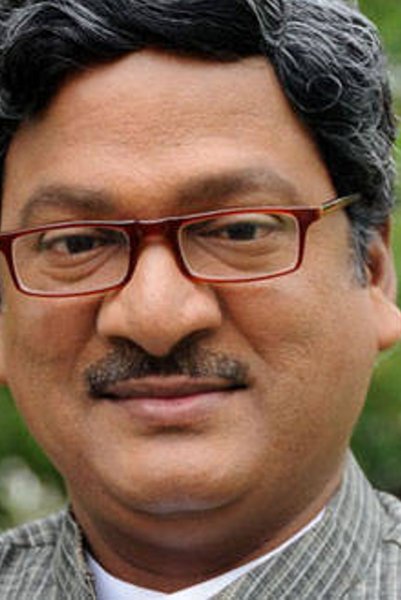
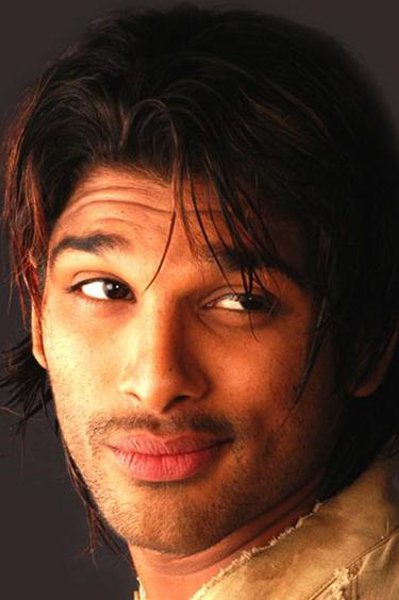
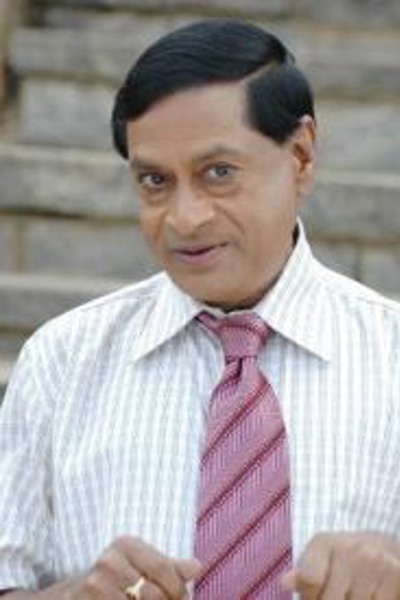
See all →Trivikram Srinivas has worked most frequently with Brahmanandam (6 films), Kota Srinivasa Rao (5 films), Sunil Varma (5 films), Tanikella Bharani (4 films), and Prakash Raj (4 films).


Did You Know?
Trivikram Srinivas is known as 'Guruji' by his fans and in the Telugu film industry.
He started his career as a dialogue writer for the film 'Swayamvaram' in 1999.
Trivikram is renowned for his witty, philosophical, and mass-appealing dialogues in Telugu cinema.
He made his directorial debut with the film 'Nuvve Nuvve' in 2002.
Trivikram frequently collaborates with actors like Pawan Kalyan, Mahesh Babu, and Allu Arjun.
Legacy & Influence
Trivikram Srinivas is a prominent screenwriter and director in Telugu cinema, renowned for his distinctive narrative style and profound impact on commercial filmmaking. His career trajectory began as a dialogue writer, where his sharp, witty, and often philosophical lines quickly garnered attention. He made his directorial debut with 'Nuvve Nuvve' (2002), but it was with films like 'Athadu' (2005) and 'Jalsa' (2008) that he firmly established his signature blend of mass appeal with layered storytelling and character depth. Trivikram is celebrated for his mastery over dialogue, which is dense with wordplay, cultural references, and moral undertones, often elevating mainstream scripts. His collaborations with major stars like Mahesh Babu ('Athadu', 'Khaleja'), Pawan Kalyan ('Jalsa', 'Attarintiki Daredi'), and Allu Arjun ('Julayi', 'Ala Vaikunthapurramuloo') have produced significant box office successes. A key contribution is his ability to weave family dramas and social themes into high-energy commercial frameworks, as seen in 'S/O Satyamurthy' and 'Ala Vaikunthapurramuloo'. His work has influenced a generation of writers and directors in Telugu and other Indian film industries, popularizing a template where stylized dialogue-driven narratives carry equal weight as action and music. While his films are major commercial ventures, they often attempt to explore father-son dynamics, middle-class aspirations, and traditional values within a modern context. His influence extends to normalizing a specific brand of 'classy' mass hero characterization and sophisticated repartee that is widely imitated.