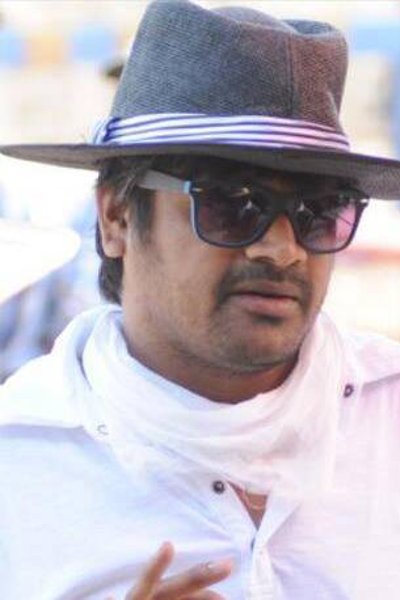
Harish Shankar
Harish Shankar is an Indian director, best known for Tamil cinema. Harish Shankar began their career in 2004 and has been a prominent figure in the industry for over 22 years. With 30 credits to their name, Harish Shankar remains one of the most prolific and celebrated talents in the industry. Spanning 20+ years, Harish Shankar's career remains one of the longest and most celebrated in Tamil cinema.
- Born
- Age
- 47
Biography
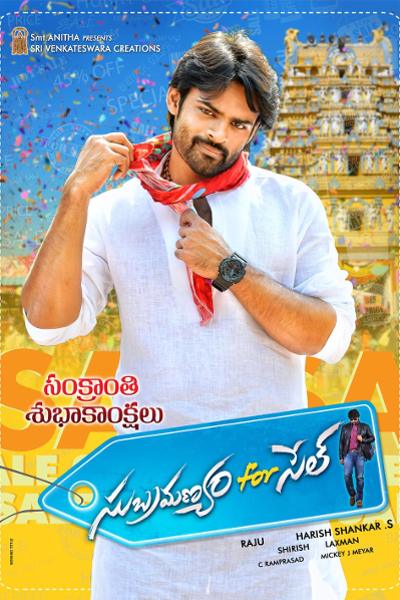
Harish Shankar is a Telugu film director from Karimnagar, Telangana, primarily known for high-energy commercial entertainers featuring action and comedy. His 2012 blockbuster Gabbar Singh, a remake of Dabangg starring Pawan Kalyan, grossed over ₹150 crore worldwide and won him the SIIMA Award and CineMAA Award for Best Director. He has a recurring directorial style built around mass-appeal heroes — having directed Pawan Kalyan in Gabbar Singh and Ravi Teja across multiple films including Mirapakaya (2011), Subramanyam For Sale (2015), and Mr Bachchan (2024). His upcoming film Ustaad Bhagat Singh (2026) again stars Pawan Kalyan, continuing his pattern of collaborating with Telugu cinema's biggest mass heroes.
Career Milestones
Directorial debut with Shock starring Ravi Teja
View film →Critical and commercial success with action comedy Mirapakaya
View film →Breakthrough blockbuster Gabbar Singh grossed ₹150 crore worldwide; won SIIMA and CineMAA Awards for Best Director
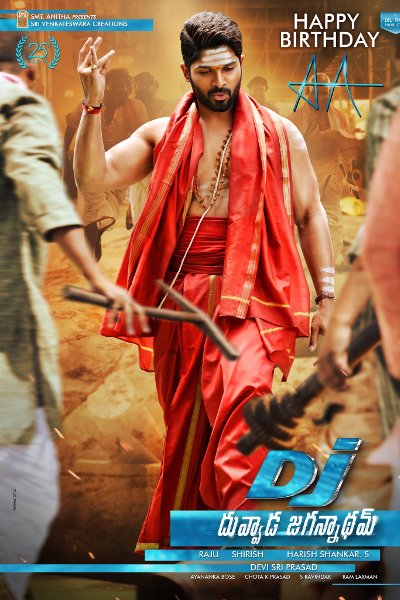
View film →Directed Duvvada Jagannadham, one of the highest-grossing Telugu films of the year at ₹150+ crore
View film →Reunited with Pawan Kalyan for Ustaad Bhagat Singh after 13-year gap post Gabbar Singh
View film →Defining Moments
Fast-paced situational comedy and dialogue-driven entertainment sequences establishing Harish Shankar's directorial voice — reviewers noted 'zero bore moments' and sharp contextual humor throughout
Harish Shankar's breakthrough directorial effort that established his hallmark style: tight editing, witty Telugu dialogue, and situational comedy. It launched his reputation in Tollywood and led directly to the Pawan Kalyan collaboration.
View film →Antakshari scene in police station — Gabbar Singh forces gathered goons to play the Hindi song game to extract information from Siddappa's gang, blending interrogation with absurdist comedy through sharp dialogue and Fish Venkat's ensemble performance
Widely cited as the comedic highpoint of the film and exemplary of Harish Shankar's signature style: extracting humor from unlikely situations through dialogue-driven setpieces. It cemented his reputation as a mass-entertainer director who can make comedy feel organic within action contexts.
View film →Pawan Kalyan's introduction sequence including the Brahmanandam cutout mimicry bit — a layered comedic entry designed around Pawan Kalyan's physical mannerisms and attitude
Demonstrated Harish Shankar's ability to craft star introductions that leverage an actor's mass image while subverting it with self-aware humor. Gabbar Singh became one of the biggest Telugu hits of 2012, largely attributed to this chemistry between director and star.
View film →Opening assassination attempt on the father figure immediately cut to Jr. NTR's high-energy mass introduction — a kinetic sequence blending danger, comedy, and romance setups within minutes
Cited by reviewers as a textbook Harish Shankar opening: maximum impact establishment of stakes followed by a star entry that resets the tone to entertainment. Showcased his skill in managing tonal whiplash that Telugu mass audiences respond to.
View film →DJ/Sastry dual identity reveal and transformation — Allu Arjun plays a devout Brahmin vegetarian cook by day who switches to a cold-blooded masked vigilante when his phone rings, conveyed through shifts in posture, voice, and language
The pre-interval build-up was critically praised as the film's narrative backbone. Harish Shankar's direction of the duality — extracting two distinct physical and tonal performances from Allu Arjun — is frequently cited as his most ambitious character-direction work.
View film →Harish Shankar by the Numbers
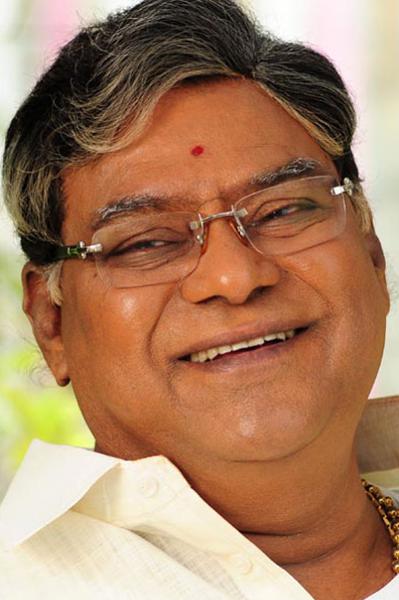
If you watched every Harish Shankar film back-to-back, you'd be at it for roughly 1 day and 8h. Most-paired with Kota Srinivasa Rao — 5 films together.
Filmography
See all 30 credits →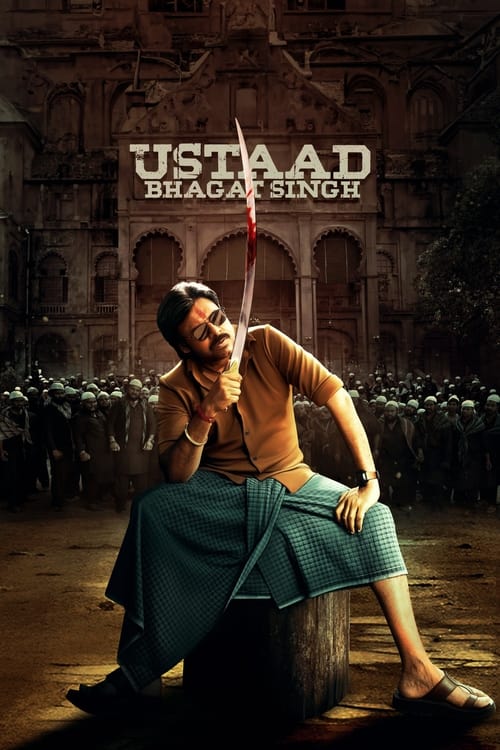


Collaboration Network
The Constellation
Top 10 most-paired collaborators. Bubble size and line thickness reflect how many films they share with Harish Shankar.
Career Analytics
Genre Breakdown
Language Distribution
Films by Decade
Top Co-Actors
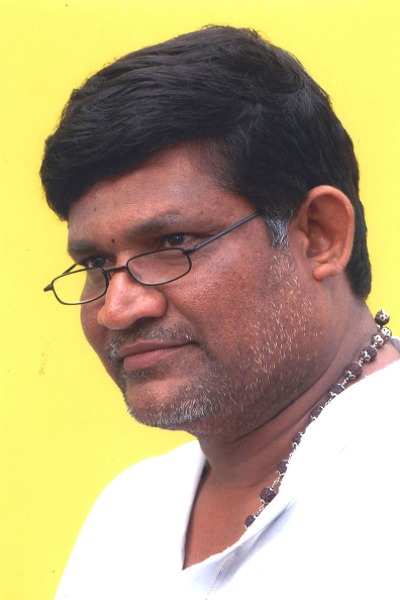
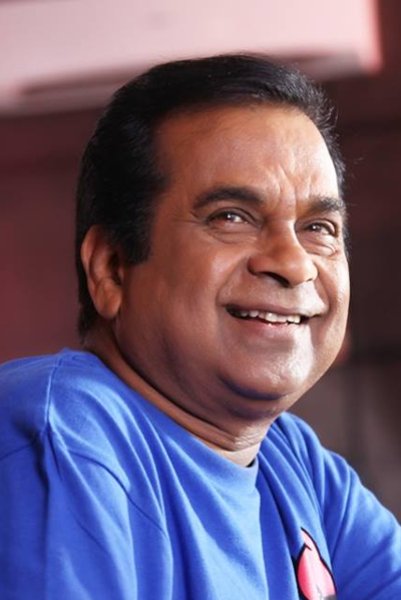
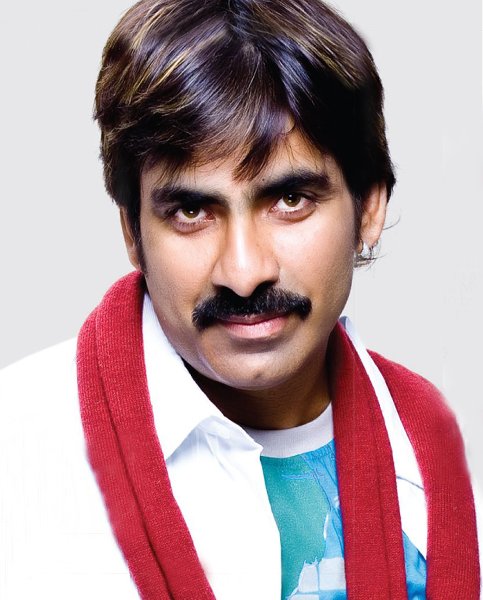
See all →Harish Shankar has worked most frequently with Kota Srinivasa Rao (5 films), Tanikella Bharani (4 films), Rao Ramesh (3 films), Brahmanandam (3 films), and Ravi Teja (3 films).



Did You Know?
Harish Shankar made his directorial debut with the 2005 film 'A Film by Aravind', which also marked his acting debut.
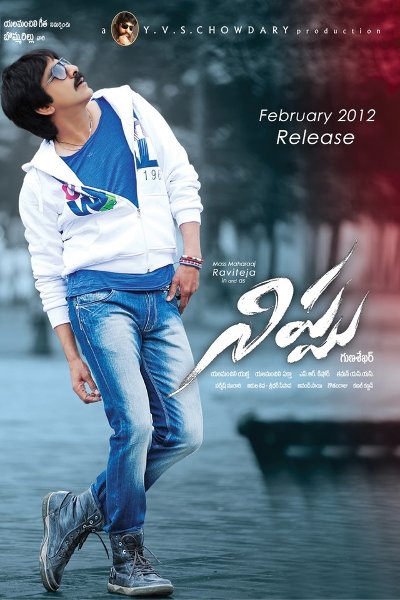
He is known for directing successful commercial entertainers starring Ravi Teja, including 'Mirapakay' (2011) and 'Balupu' (2013).
His film 'Mirapakay' (2011) was a major commercial success and established him as a bankable director in Telugu cinema.
Harish Shankar's film 'Gaddalakonda Ganesh' (2019) is a remake of the Tamil film 'Jigarthanda' (2014).
He often collaborates with actor Ravi Teja, who has been instrumental in his career.
Legacy & Influence
Harish Shankar is a prominent director and screenwriter in Telugu cinema, recognized for his distinct style that blends commercial mass appeal with sharp, often satirical, social commentary. His career trajectory is notable for being launched into the mainstream by star actor Ravi Teja, who starred in Shankar's directorial debut, 'Shock' (2006). However, it was his subsequent film, 'Mirapakay' (2011), again with Ravi Teja, that cemented his reputation as a director capable of delivering high-octane, dialogue-driven entertainers with a unique voice. His most significant contribution came with the blockbuster 'Gabbar Singh' (2012), the Telugu remake of 'Dabangg'. While adapting the source material, Shankar infused it with a distinctly Telugu flavor, crafting iconic dialogues and elevating Pawan Kalyan's star persona to new heights. The film's massive success demonstrated his mastery over the mainstream commercial template. He further showcased his versatility with the critically acclaimed 'Subramanyam for Sale' (2015), a more nuanced film that balanced family drama with his trademark comedy and style. Films like 'Duvvada Jagannadham' (2017) and 'iSmart Shankar' (2019) continued his run of crafting larger-than-life protagonist-driven narratives that resonate with the masses. His influence lies in his ability to package social observations, witty writing, and stylized presentation within the framework of star vehicles, creating a successful formula that has inspired a wave of directors aiming for similar mass connectivity. His career represents a bridge between pure commercial cinema and films with a perceptive edge, making him a key figure in shaping the modern Telugu commercial film landscape.