Chinni Krishna
Chinni Krishna is an Indian director, best known for Tamil cinema. Chinni Krishna began their career in 2001. With 30 credits to their name, Chinni Krishna remains one of the most prolific and celebrated talents in the industry. Spanning 20+ years, Chinni Krishna's career remains one of the longest and most celebrated in Tamil cinema.
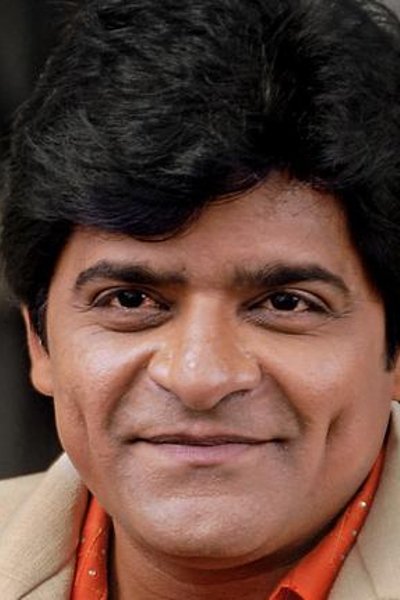
Biography
B. Chinni Krishna is a Telugu film industry director and screenwriter primarily known for his work in commercial entertainers and comedy-dramas. He made his directorial debut with Veedu Theda (2011), starring Nikhil Siddharth and Puja Banerjee, which ran for 50 days in select centers, and followed it with Brother of Bommali (2014), featuring Allari Naresh, Monal Gajjar, and Karthika Nair. Before directing, he established himself as a story and screenplay writer on major productions including Narasimha Naidu (2001), Indra (2002), and Badrinath (2011). He continued directing into the 2020s with Akshara (2021), demonstrating a consistent focus on genre entertainers within the Telugu film industry.
Career Milestones
Film writing debut
Directorial debut
View film →Directed London Babulu, a comedy-drama
Wrote and directed crime thriller Akshara starring Nandita Swetha
View film →Defining Moments
Brother Ramky's escalating frustration scenes trying to arrange his sister Lucky's marriage while managing his own romance — comedic set pieces built around sibling role reversal
Chinni Krishna's screenplay for Allari Naresh's character drew wide praise for its punchy dialogues and emotional vulnerability beneath the comedy, becoming a fan-favourite family entertainer
View film →The shocking twist scene where teacher Akshara kills her colleague Sri Teja, revealed through non-linear flashbacks exposing the education mafia's ruthlessness
Chinni Krishna's most ambitious directorial moment — a bold narrative pivot in a social thriller tackling student suicide and education system corruption, marking his shift to socially-conscious cinema
View film →Climactic confrontation revealing Sanjay Bhargav's Vidya Vidhaan institution as the orchestrator of student deaths, with Akshara's vigilante justice sequence
The film's thematic payoff addressing education mafia — one of the few Telugu films of 2021 to directly tackle institutional pressure on students, giving Chinni Krishna directorial identity
View film →Chinni Krishna by the Numbers
If you watched every Chinni Krishna film back-to-back, you'd be at it for roughly 14 hours. Most-paired with Brahmanandam — 2 films together.
Filmography
See all 30 credits →


Collaboration Network
The Constellation
Top 3 most-paired collaborators. Bubble size and line thickness reflect how many films they share with Chinni Krishna.
Career Analytics
Genre Breakdown
Language Distribution
Films by Decade
Top Co-Actors
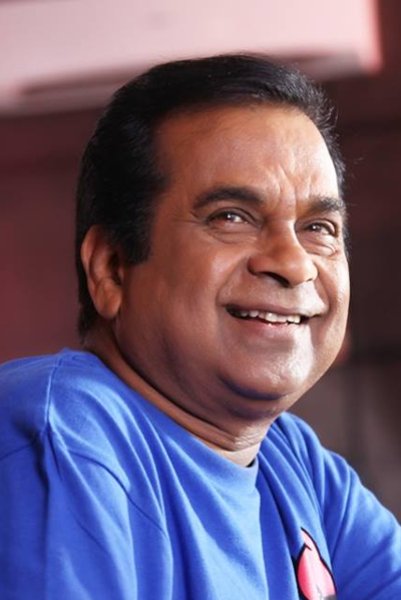
See all →Chinni Krishna has worked most frequently with Brahmanandam (2 films), Ali (2 films), and Nikhil Siddharth (2 films).

Legacy & Influence
Chinni Krishna is a notable figure in Telugu cinema, primarily recognized as a film producer and the son of the legendary actor Krishna Ghattamaneni. His most significant contribution to Indian cinema is his role in establishing and managing the prestigious production house, Ghattamaneni Films. Through this banner, he has been instrumental in producing major films starring his brother, the megastar Mahesh Babu, thereby playing a crucial part in shaping the latter's career trajectory in the 2000s and beyond. A key milestone was the production of 'Okkadu' (2003), a landmark film directed by Gunasekhar that redefined the Telugu action-masala genre and catapulted Mahesh Babu to new heights of stardom. Chinni Krishna's stewardship ensured high production values and strategic project selection for subsequent hits like 'Athadu' (2005) and 'Pokiri' (2006), the latter becoming a cultural phenomenon. His work behind the scenes provided a stable and ambitious production platform that allowed creative teams to flourish, contributing substantially to a successful era in Telugu commercial cinema. While maintaining a low public profile compared to his family members, his legacy is firmly tied to the business acumen and familial support that helped sustain and elevate the brand of a leading Telugu film star, influencing the industry's approach to star-driven production houses.