S.V. Krishna Reddy
S.V. Krishna Reddy is an Indian director, best known for Tamil cinema. S.V. Krishna Reddy began their career in 1991 and has been a prominent figure in the industry for over 35 years. With 30 credits to their name, S.V. Krishna Reddy remains one of the most prolific and celebrated talents in the industry. Spanning 30+ years, S.V. Krishna Reddy's career remains one of the longest and most celebrated in Tamil cinema.
- Born
- Age
- 65
Biography
S.V. Krishna Reddy (full name: Satti Venkata Krishna Reddy, born June 1, 1961) is a Telugu cinema director, screenwriter, composer, and actor from Konkuduru village, East Godavari district, Andhra Pradesh, primarily known for directing commercial comedy films over a career spanning more than four decades. He gained widespread recognition with Yamaleela (1994), which launched Ali as a lead hero, and went on to direct over 40 Telugu films including Rajendrudu Gajendrudu (1993), Ghatotkachudu (1995), and Pellam Oorelithe (2003), earning three Nandi State Awards and a Filmfare Best Telugu Director Award. His signature directorial style blends slapstick comedy with family emotions and melodious songs, making him one of the most prolific directors in the comedy genre of Telugu cinema. After a decade-long gap, he returned with Organic Mama Hybrid Alludu (2023), continuing his legacy in Telugu entertainment.
Career Milestones
Directorial debut with Kobbari Bondam, also writing and composing
Breakthrough film Yamaleela became a major hit, launching Ali as a lead hero
View film →Won Filmfare Award for Best Director (Telugu)
Won Nandi Special Jury Award
Won Nandi Award for Best Director
Defining Moments
Yama and Chitragupta comedy sequences — the god of death (Satyanarayana) and his bumbling accountant (Brahmanandam) getting entangled with ordinary mortals, creating a chain of mythological mix-ups with local police
Yamaleela was S.V. Krishna Reddy's breakthrough hit and launched a template for Telugu fantasy-comedy. The Yama–Chitragupta pairing became iconic, and the film marked Ali's debut as a lead actor. It defined the director's signature style of blending mythology with slapstick.
View film →Magic book subplot — ordinary characters accidentally gaining power over life and death through a divine ledger, driving the film's escalating comedic chaos
The magic book device became one of the most-referenced narrative conceits of 1990s Telugu comedy cinema, frequently cited as a creative high point of the genre and emblematic of Krishna Reddy's inventive conceptualisation.
View film →Integration of a robot into Mahabharata mythology — Ghatotkacha as a mechanical giant, merging sci-fi spectacle with epic folklore for a family audience
Pioneered the mythology-meets-science-fiction genre in Telugu cinema. Satyanarayana's heavily made-up portrayal resonated with younger audiences and showcased Krishna Reddy's ambition to blend fantastical action with sentiment, setting a precedent for big-budget fantasy in Telugu films.
View film →Brahmanandam's silent thief character — an extended physical comedy performance built entirely on expressive mime and slapstick without dialogue
Demonstrated Krishna Reddy's skill in directing pure physical comedy. The sequence is frequently cited as a showcase of Brahmanandam's range and the director's ability to sustain humor through visual storytelling rather than verbal wit.
Situational comedy chain reaction — a series of compounding misunderstandings among family members across multiple households, escalating into full farce
Krishna Reddy's return to comedy after a gap, adapting a Malayalam hit for Telugu sensibilities. The film reaffirmed his mastery of ensemble situational comedy rooted in regional family dynamics and was noted for clean, broad humor without vulgarity.
View film →S.V. Krishna Reddy by the Numbers
If you watched every S.V. Krishna Reddy film back-to-back, you'd be at it for roughly 2 days and 1h. Most-paired with Brahmanandam — 11 films together.
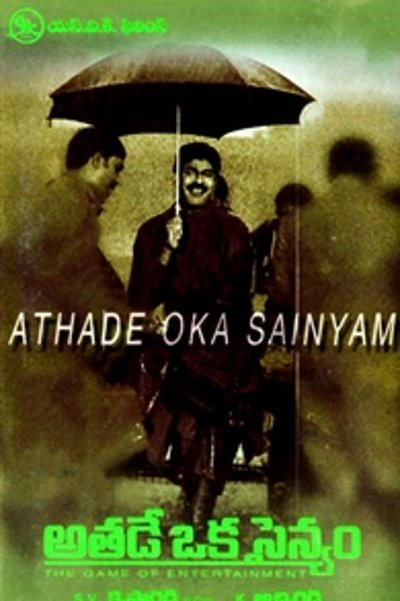
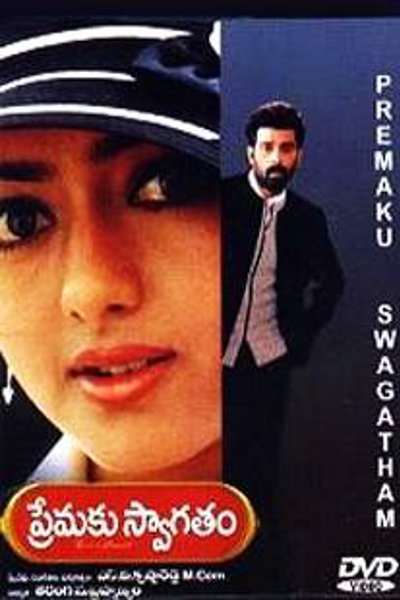
Filmography
See all 30 credits →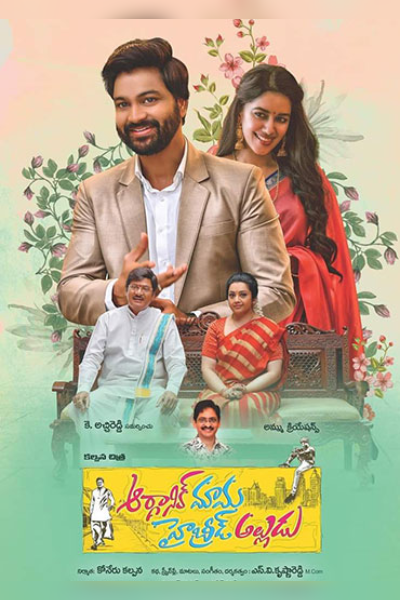
Collaboration Network
The Constellation
Top 10 most-paired collaborators. Bubble size and line thickness reflect how many films they share with S.V. Krishna Reddy.
Career Analytics
Genre Breakdown
Language Distribution
Films by Decade
Top Co-Actors
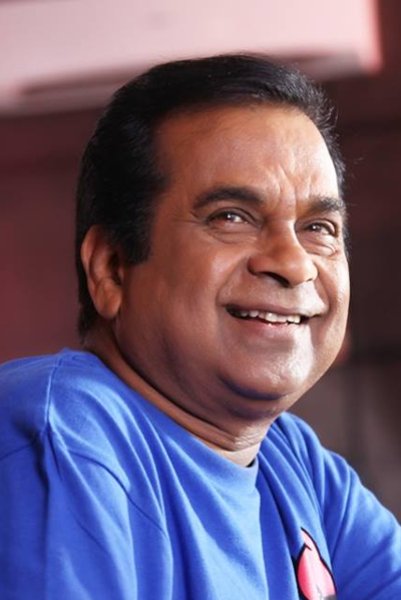
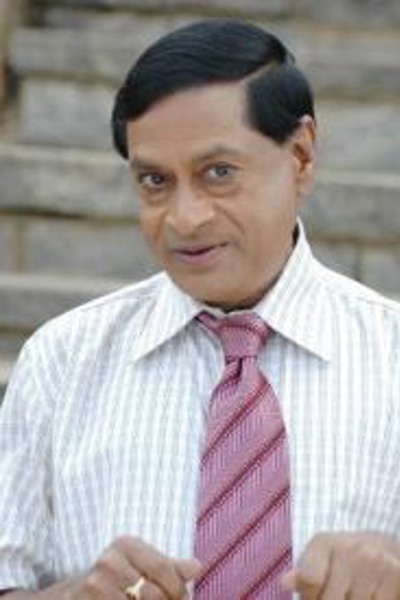
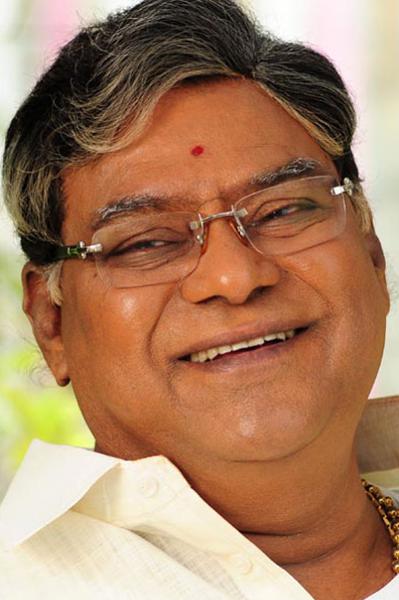
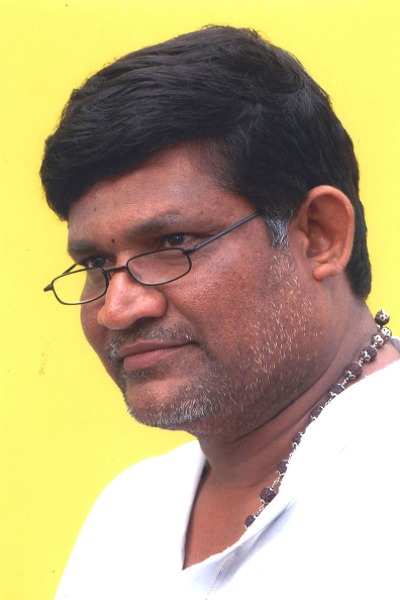
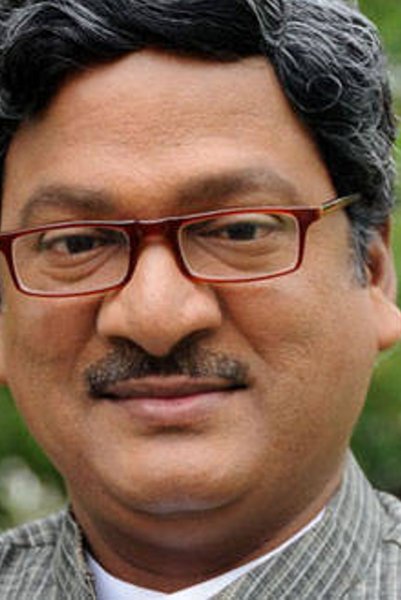
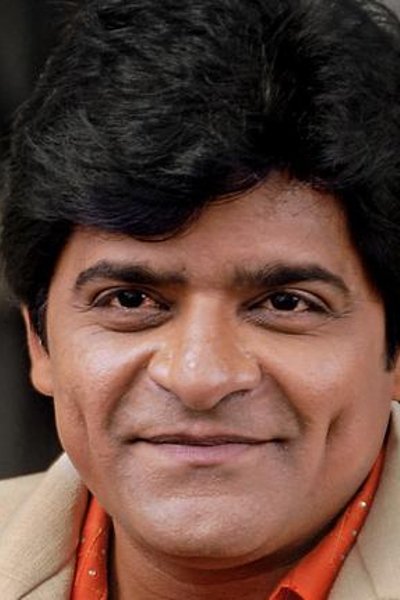
See all →S.V. Krishna Reddy has worked most frequently with Brahmanandam (11 films), M. S. Narayana (5 films), Srikanth (4 films), Kota Srinivasa Rao (4 films), and Soundarya (4 films).




Legacy & Influence
S.V. Krishna Reddy is a prominent Indian film director, producer, and composer, primarily known for his extensive and influential work in Telugu cinema. His career trajectory began in the early 1990s, and he quickly established himself as a versatile filmmaker with a knack for blending comedy, family drama, and social themes, often with strong musical elements. A significant contribution is his role as a prolific composer; he has scored music for many of his own films and for other directors, creating numerous popular soundtracks that defined the 1990s and early 2000s Telugu film music. His directorial style often featured ensemble casts, situational humor, and clean entertainment, making his films widely accessible. He is particularly recognized for launching and nurturing several careers in the industry, both in front of and behind the camera. While also working in Tamil and Hindi cinema, his core impact remains in Telugu, where his films from the 1990s, such as 'Anaganaga Oka Roju' and 'Sneham Kosam', are remembered for their music and narrative style. His later work continued to focus on family-oriented subjects. His dual expertise in direction and music composition marks a distinct and sustained contribution to the technical and artistic fabric of South Indian cinema over three decades.