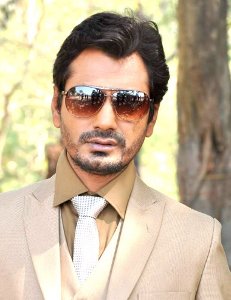
Nawazuddin Siddiqui
Nawazuddin Siddiqui is an Indian actor, best known for Tamil cinema. Nawazuddin Siddiqui began their career in 1999 and has been a prominent figure in the industry for over 27 years. With over 60 credits to their name and an average audience rating of 6.4, Nawazuddin Siddiqui remains one of the most prolific and celebrated talents in the industry. Spanning 20+ years, Nawazuddin Siddiqui's career remains one of the longest and most celebrated in Tamil cinema.
- Born
- Age
- 52
Biography
Nawazuddin Siddiqui is a Hindi cinema actor from Budhana, Uttar Pradesh, trained at the National School of Drama, best known for his transformative character roles in Indian art-house and mainstream films. He received the National Film Award Special Jury prize in 2012 for Gangs of Wasseypur, and won the Filmfare Award for Best Supporting Actor in 2014 for The Lunchbox and the Asia Pacific Screen Award for Best Actor in 2016 for Raman Raghav 2.0. He is distinguished by his immersive portrayals of morally complex figures — playing the ruthless Faizal Khan in Gangs of Wasseypur, the obsessive serial killer in Raman Raghav 2.0, and the biographical title role in Manjhi: The Mountain Man — demonstrating a range that spans gangsters, laborers, and historical figures. With eight films screened at Cannes and an International Emmy nomination for Sacred Games (2018), he has become one of the most internationally recognized Indian actors of his generation.
Career Milestones
Film debut in a minor role
Breakthrough role as Faizal Khan, gained widespread recognition
View film →Special Jury Award at National Film Awards for multiple films
View film →Filmfare Award for Best Supporting Actor
View film →Best Actor at Asia Pacific Screen Awards
Iconic Roles
Gangs of Wasseypur - Part 2
A slow-burning transformation from a stoner outcast to a feared gangster seeking revenge for his father's murder; widely considered one of Indian cinema's most iconic anti-hero arcs.
The Lunchbox
A lonely government clerk who strikes up an unlikely correspondence through misdirected lunch deliveries; a restrained, nuanced performance that earned him Filmfare Best Supporting Actor.
Manjhi: The Mountain Man
Based on the true story of a villager who single-handedly carved a road through a mountain; an emotionally raw portrayal of obsession, grief, and indomitable human will.
Raman Raghav 2.0
A serial killer operating in Mumbai's underbelly; a chilling, deeply unsettling performance that won Nawazuddin Best Actor at the Asia Pacific Screen Awards and Fancine Malaga Award.
Sacred Games
A charismatic and ruthless Mumbai crime lord in Netflix's first Indian original series; widely praised as one of the greatest performances in Indian streaming, blending menace with unexpected vulnerability.
Defining Moments
Faizal Khan's final revenge — storming the hospital and killing Ramadhir Singh, the man who destroyed his family, in a calculated, cold-blooded sequence that caps his arc from stoner youth to feared don
This climactic scene cemented Faizal Khan as one of Hindi cinema's most iconic anti-heroes. Nawazuddin's transformation across the two-part saga — from a passive, drug-addled boy to a ruthless gangster — is fully realised here, and the scene is widely referenced as a landmark moment in Indian crime cinema.
View film →Shaikh's quiet, emotionally layered scenes exchanging letters with Ila — especially his restrained final goodbye that leaves everything unsaid
Playing against a predominantly silent, understated register, Nawazuddin showed a delicate, warmly comedic side that surprised audiences who knew him only from intense roles. The performance broadened his range and earned strong international festival attention.
View film →Dashrath Manjhi breaking rocks alone on the mountain — the sustained scenes of obsessive, solitary labour conveying grief transformed into purpose
Nawazuddin carried almost the entire film physically and emotionally, embodying a real historical figure's 22-year endeavour. Critics cited it as proof of his ability to anchor a mainstream biographical film on sheer presence alone.
View film →Liak's shocking, sadistic prison scenes and his cold manipulation of the protagonist — building dread through casual cruelty rather than explosive violence
Nawazuddin stole the film from its lead, with many reviewers arguing his nuanced, darkly charming villain was more compelling than the revenge narrative itself. The performance is frequently cited in discussions of supporting roles that eclipse the protagonist.
View film →Ramanna's cat-and-mouse interrogation scenes with the corrupt cop Raghav — quietly menacing, philosophically warped, projecting a terrifying inner logic of a serial killer
Nawazuddin's portrayal of the psychopathic Ramanna is considered one of the finest villain performances in Indian cinema. His stillness and controlled intensity drew wide critical acclaim and comparisons to global benchmark villain performances.
View film →Nawazuddin Siddiqui by the Numbers
If you watched every Nawazuddin Siddiqui film back-to-back, you'd be at it for roughly 5 days and 8h. Most-paired with Anurag Kashyap — 7 films together.
Filmography
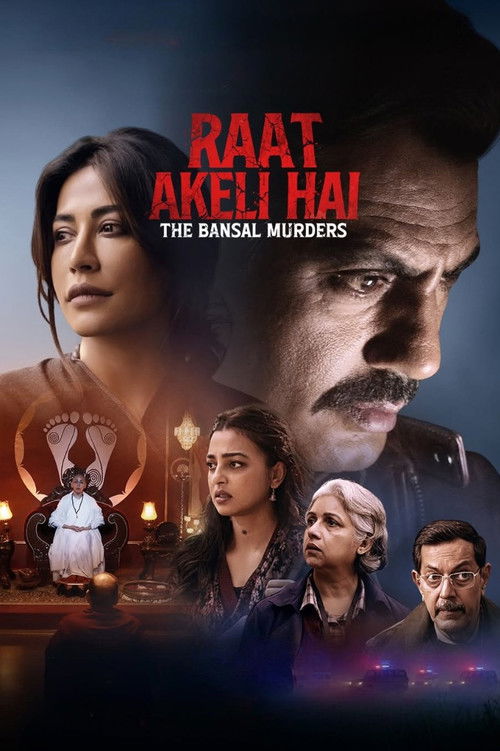
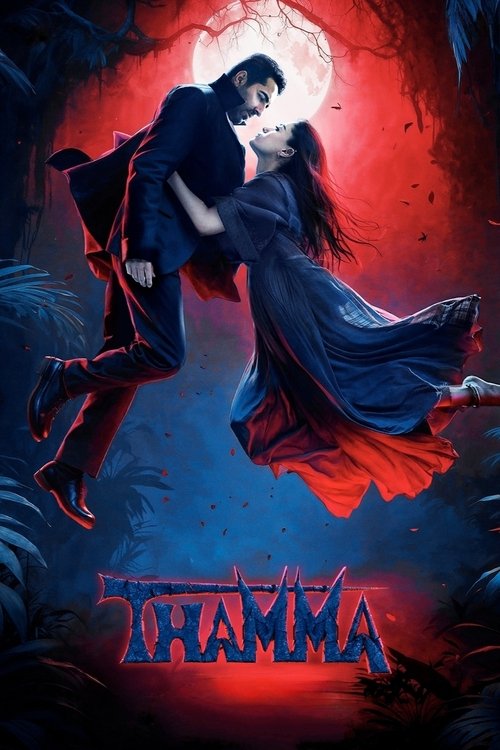
See all 60 credits →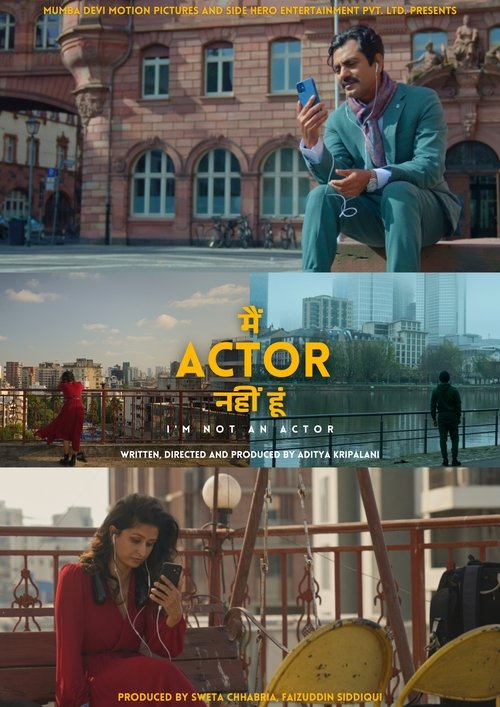





Collaboration Network
The Constellation
Top 10 most-paired collaborators. Bubble size and line thickness reflect how many films they share with Nawazuddin Siddiqui.
Career Analytics
Genre Breakdown
Language Distribution
Films by Decade
Top Co-Actors
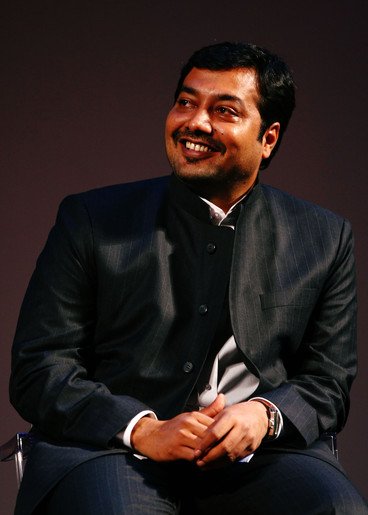
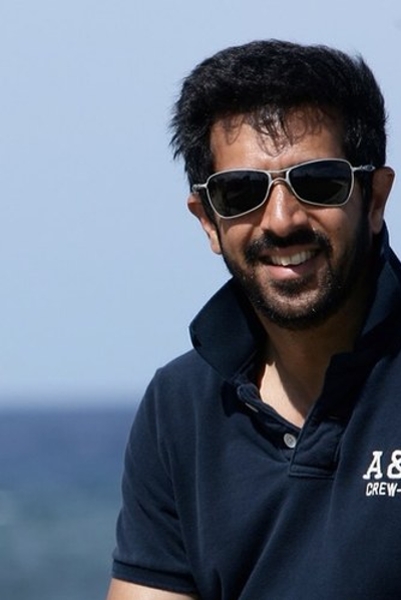
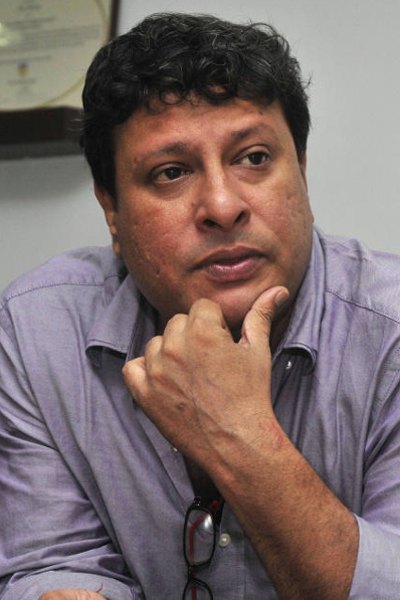
See all →Nawazuddin Siddiqui has worked most frequently with Anurag Kashyap (7 films), Sabbir Khan (2 films), Ritesh Batra (2 films), Kabir Khan (2 films), and Tigmanshu Dhulia (5 films).



Did You Know?
Nawazuddin Siddiqui graduated from the National School of Drama in 1996.
He worked as a chemist in Vadodara before pursuing acting.
He received the Special Jury Award at the 2012 National Film Awards for his work in multiple films that year.
He is known for his intense preparation for roles, including learning to play the harmonium for 'Manto' (2018).
He made his film debut with a small role in 'Sarfarosh' (1999).
Signature Dialogues
Baap ka, dada ka, bhai ka, sabka badla lega re tera Faizal
Faizal Khan·Gangs of Wasseypur - Part 2
Goli nahi marenge. Keh ke lenge uski.
Faizal Khan·Gangs of Wasseypur - Part 2
Beta, tumse na ho payega.
Faizal Khan·Gangs of Wasseypur - Part 2
Photos
See all →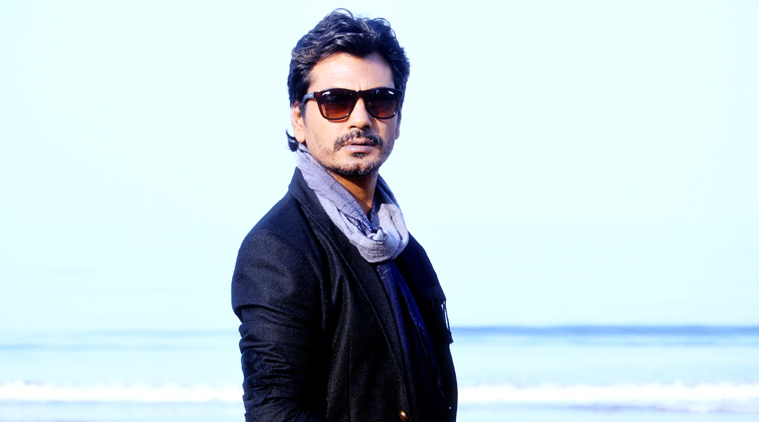
News & Stories
Vishal Bhardwaj produces Nawazuddin's next flick
14/9/2017
Nawazuddin Siddiqui to feature with Amitabh Bachchan and Vidya Balan
20/10/2015
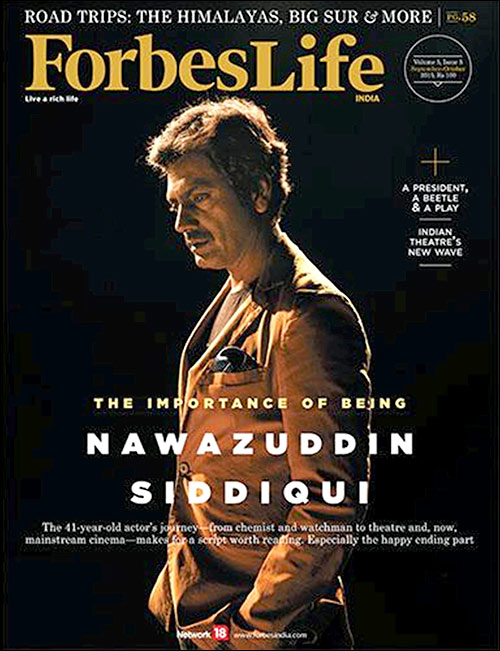
Nawazuddin Siddiqui in Forbes cover !!!
17/9/2015
Legacy & Influence
Nawazuddin Siddiqui's journey in Indian cinema is a landmark narrative of perseverance and the redefinition of a leading man. Emerging from a background with no film connections, his early career was marked by minor, often uncredited roles. His breakthrough came not through conventional star-making vehicles, but through the gritty, realistic spaces of independent and parallel cinema. His performances in films like 'Paan Singh Tomar' (2012) and the two-part epic 'Gangs of Wasseypur' (2012) were seismic. As Faizal Khan in 'Gangs of Wasseypur', he delivered a complex, layered portrayal of a reluctant gangster that announced the arrival of a formidable character actor. This period culminated in the National Film Award – Special Jury Award in 2012, a formal recognition of his exceptional talent. Siddiqui's true contribution lies in shattering the archetype of the Hindi film hero. With his unconventional looks and intense, immersive acting style, he proved that compelling screen presence is built on craft, not just appearance. He brought a raw, unpredictable authenticity to every role, whether as a sharp-witted journalist in 'Bajrangi Bhaijaan' (2015), a menacing gangster in 'Raman Raghav 2.0' (2016), or a struggling actor in 'Manto' (2018). His success opened doors for a generation of actors who do not fit the traditional mold, democratizing the idea of a protagonist in mainstream and offbeat cinema alike. He demonstrated that character actors could be the central draw, carrying films on their shoulders and achieving critical and commercial success. His career trajectory, from anonymity to becoming a name synonymous with quality and intensity, has inspired countless aspiring artists, reinforcing the primacy of skill and resilience in an industry often swayed by glamour.