Anita Kanwar
Anita Kanwar is an Indian actor, best known for Tamil cinema. Anita Kanwar began their career in 1982. With 30 credits to their name, Anita Kanwar remains one of the most prolific and celebrated talents in the industry. Spanning 40+ years, Anita Kanwar's career remains one of the longest and most celebrated in Tamil cinema.
Biography
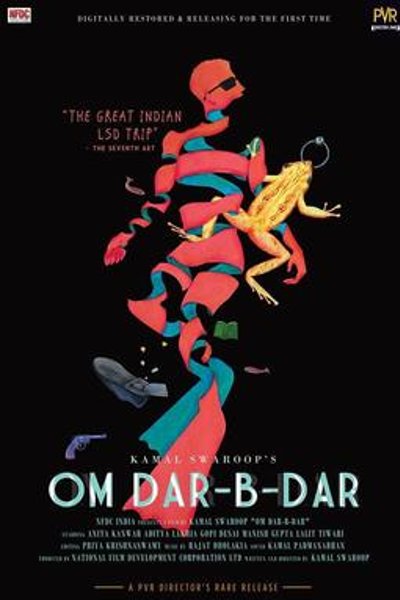
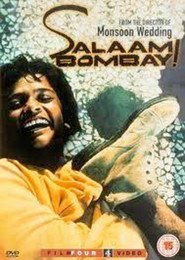
Anita Kanwar (also known as Anita Kanwar Sisodia) is a Hindi cinema actress and National School of Drama (1978 batch) graduate, best known for her work in parallel/art-house cinema of the 1980s. She played Rekha Golub in Mira Nair's Salaam Bombay! (1988), earning a Filmfare Best Supporting Actress nomination, and appeared in Shyam Benegal films including Trikal (1985) as Sylvia and Susman (1987). She gained wider recognition through Doordarshan's landmark television serial Buniyaad (1986–1987), where she played the iconic matriarchal character Lajjo ji (Lajwanti). She also appeared in Kamal Swaroop's avant-garde Om-Dar-Ba-Dar (1988) as Phoolkumari, demonstrating a sustained association with auteur-driven Indian cinema.
Career Milestones
Film debut
Filmfare Best Supporting Actress nomination
Iconic TV role as Lajwanti 'Lajjo' in Buniyaad
International breakthrough in Mira Nair's Cannes Camera d'Or winning film
View film →Filmfare Best Supporting Actress nomination
View film →Iconic Roles
Buniyaad
Her most iconic role as the matriarchal figure navigating India's Partition era in Doordarshan's landmark TV serial, so beloved that audiences forgot her real name and addressed her as 'Lajoji' in real life.
Salaam Bombay!
A supporting role in Mira Nair's internationally acclaimed film depicting the lives of street children in Mumbai, which earned Anita Kanwar a Filmfare Best Supporting Actress nomination.
Om-Dar-Ba-Dar
Appeared in Kamal Swaroop's cult postmodernist film that premiered at the Berlin International Film Festival, known for its surreal and unconventional storytelling.
Mandi
A bold courtesan character in Shyam Benegal's critically acclaimed film, showcasing her versatility in complex female roles in Indian parallel cinema.
Defining Moments
Ensemble performance in Shyam Benegal's multi-character drama set in Goa across three time periods — one of several NSD-trained actors whose disciplined craft elevated the film's complex historical layering
Working under Shyam Benegal, one of Indian parallel cinema's most respected directors, cemented her association with the New Wave movement and serious dramatic filmmaking.
View film →Performance in Shyam Benegal's exploration of the handloom weaver community — a socially conscious role reflecting the exploitation of artisans
Another Benegal collaboration showcasing her dedication to socially relevant parallel cinema, reinforcing her reputation as one of the serious dramatic actresses of the 1980s art film movement.
View film →Playing Rekha Golub, a compassionate sex worker who forms a maternal bond with the street child Chaipau, culminating in emotional scenes that anchor the film's human tragedy
Her most cited performance — earned a Filmfare Best Supporting Actress nomination and was pivotal to Mira Nair's internationally acclaimed debut. The film won the Caméra d'Or at Cannes and was India's Oscar entry; Anita's nuanced portrayal of Rekha gave the film its emotional core.
View film →Playing Phoolkumari in the surrealist, postmodernist narrative — a role requiring extraordinary range in an avant-garde experimental format far outside mainstream conventions
Premiered at the Berlin International Film Festival and became a cult classic among cinephiles and scholars. Her commitment to Kamal Swaroop's unconventional vision demonstrated her range as a National School of Drama-trained actress willing to take radical creative risks.
View film →Anita Kanwar by the Numbers
If you watched every Anita Kanwar film back-to-back, you'd be at it for roughly 1 day and 4h. Most-paired with Nana Patekar — 3 films together.
Filmography
See all 30 credits →
Collaboration Network
The Constellation
Top 10 most-paired collaborators. Bubble size and line thickness reflect how many films they share with Anita Kanwar.
Career Analytics
Genre Breakdown
Language Distribution
Films by Decade
Top Co-Actors
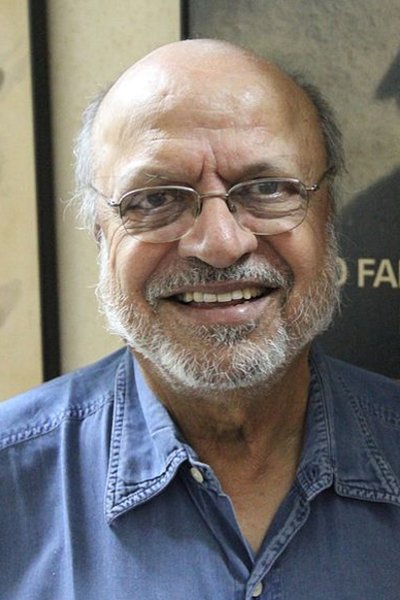
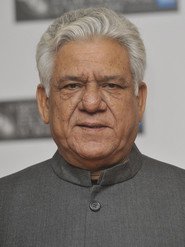
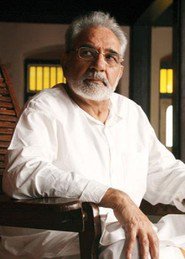
See all →Anita Kanwar has worked most frequently with Kamal Swaroop (2 films), Shyam Benegal (2 films), Nana Patekar (3 films), Neena Gupta (3 films), and Manish Gupta (2 films).





Legacy & Influence
Anita Kanwar is a respected character actor in Indian parallel and art-house cinema, known for her subtle and powerful performances in films that critically examined social and political landscapes. Her career, though not prolific in mainstream terms, is defined by a commitment to meaningful storytelling and collaboration with acclaimed directors. She emerged in the early 1980s, a period of significant creative ferment in Indian cinema, with her role in Ashok Ahuja's 'Aadharshila' (1982). Her most notable work came through her association with director Shyam Benegal, appearing in his films 'Trikal' (1985) and 'Susman' (1987). In 'Trikal', a film exploring Goa's transition from Portuguese rule, Kanwar contributed to the ensemble's authentic portrayal of a community in flux. Her performance in Kamal Swaroop's avant-garde cult classic 'Om-Dar-Ba-Dar' (1988) as Phoolkumari is particularly memorable, adding a layer of grounded humanity to the film's surreal and satirical narrative. This role has cemented her place in the history of experimental Indian cinema. She also worked in the Odia film 'Mati Manas' (1985), demonstrating her versatility across different Indian film industries. Kanwar's contribution lies in her ability to embody complex, often ordinary characters with depth and authenticity, enriching the narratives of socially conscious filmmakers. Her filmography, though limited, represents a deliberate choice to engage with cinema as a medium for reflection and critique, rather than commercial spectacle. She remains a recognized figure among cinephiles and scholars of Indian parallel cinema for her understated yet impactful presence, which helped give voice to the marginal perspectives and intricate social realities depicted in the films of that era.