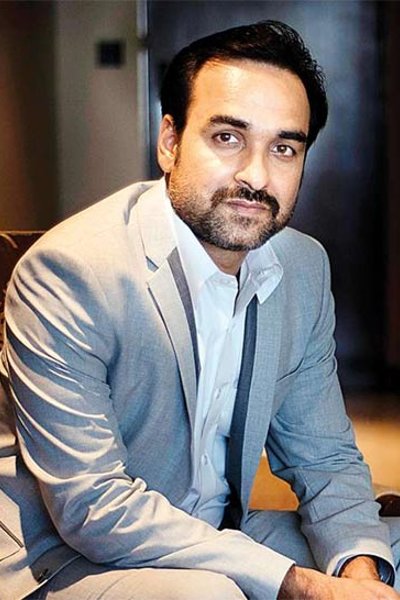
Pankaj Tripathi
Pankaj Tripathi is an Indian actor, best known for Tamil cinema. Pankaj Tripathi began their career in 2008 and has been a prominent figure in the industry for over 18 years. With over 60 credits to their name and an average audience rating of 6.0, Pankaj Tripathi remains one of the most prolific and celebrated talents in the industry.
- Born
- Age
- 49
Biography
Pankaj Tripathi is a Hindi cinema actor born in Belsand, Bihar, best known for playing morally complex, character-driven roles that span comedy, drama, and thriller genres. He won the National Film Award for Best Supporting Actor for Mimi (2021) and received a National Film Award Special Mention for Newton (2017), along with a Filmfare Award for Best Supporting Actor also for Mimi. A graduate of the National School of Drama, he rose to prominence with his role as Sultan in Anurag Kashyap's Gangs of Wasseypur (2012), and went on to appear in Masaan (2015), Fukrey (2013), Super 30 (2019), and the web series Mirzapur (2018) as the iconic crime lord Kaleen Bhaiya. His recent work includes OMG 2 (2023) and Stree 2 (2024), cementing his status as one of Hindi cinema's most in-demand character actors.
Iconic Roles
Mirzapur
Ruthless carpet-trader-turned-don, King of Mirzapur. His calm, philosophical menace and iconic dialogues made this his most celebrated role across all online sources.
Sacred Games (Season 2)
A serene but sinister spiritual godman known for the phrase 'Aham Brahmasmi', who manipulates the protagonist with scripture-laced wisdom.
Masaan
A shy, warm-hearted introvert who gently helps the female lead open up to the world; widely praised as one of his most understated performances.
Newton
A CRPF commandant with dry wit, menace, and swagger who clashes with a naive election officer in a Naxal zone. Won Tripathi the National Film Award for Best Supporting Actor.
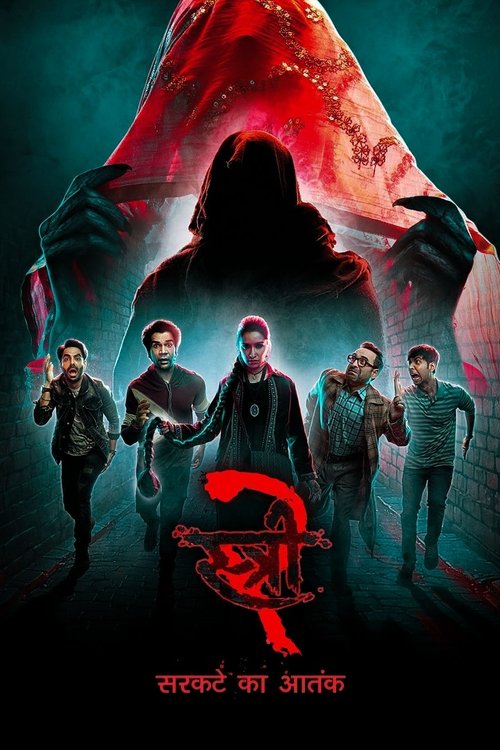
Stree
A witty, knowledgeable phrenologist who assists in freeing a village from a female ghost. His comic timing made this a fan favourite; won Best Supporting Actor at Star Screen Awards.
Defining Moments
As Sultan Qureshi, Tripathi opens Gangs of Wasseypur hurling a grenade and delivering razor-sharp, darkly witty dialogue — including the line 'This is Wasseypur. Even a pigeon flies with one wing and uses the other to guard his innocence.' His few but pivotal scenes announced him as a scene-stealer of rare calibre.
This was his breakthrough role that put him on the national radar. His ability to own a crime epic with limited screen time against a star-studded cast became the calling card that unlocked a decade of leading character work.
As Rangeela, the lecherous, powerful college authority figure in Anaarkali of Aarah, who is publicly humiliated and then turns predatory — Tripathi plays the villain with an uncomfortable, realistic entitlement that made audiences squirm.
A searing portrayal of institutionalised sexual harassment and the abuse of power, the role was praised by critics as among his most committed dramatic work and brought serious attention to the film.
View film →As Kaleen Bhaiya in Mirzapur, his chilling carpet-business patriarch who rules through quiet menace rather than volume — his unscripted improvised line 'Tum vishudh ch**tiye ho' (You are a pure fool) became a viral cultural moment and is one of the most quoted lines in Indian streaming history.
Kaleen Bhaiya became one of the defining antagonists of Indian streaming, and Tripathi's soft-spoken, ice-cold delivery redefined how menace is performed on screen — the role made him a household name across India.
As the laid-back, hilariously unreliable occult expert in Stree, Tripathi delivers deadpan comic exposition with perfect timing, playing the straight man to escalating supernatural chaos. His presence grounds the film's absurdist horror-comedy tone.
Demonstrated his range by pivoting from crime heavies to comedy — the film became a massive commercial hit (₹180 cr+ worldwide) and he won Best Supporting Actor at Star Screen Awards 2018, proving his comedic instincts matched his dramatic ones.
As the progressive, supportive father in Gunjan Saxena: The Kargil Girl, who quietly champions his daughter's ambition to become a combat pilot against societal resistance, delivering warmth without sentimentality.
A complete tonal departure — his restrained, emotionally grounded performance is widely cited as the heart of the film, showing that his authority on screen works equally in tender roles as in menacing ones.
Pankaj Tripathi by the Numbers
If you watched every Pankaj Tripathi film back-to-back, you'd be at it for roughly 3 days and 19h. Most-paired with Sanjay Mishra — 6 films together.
Filmography
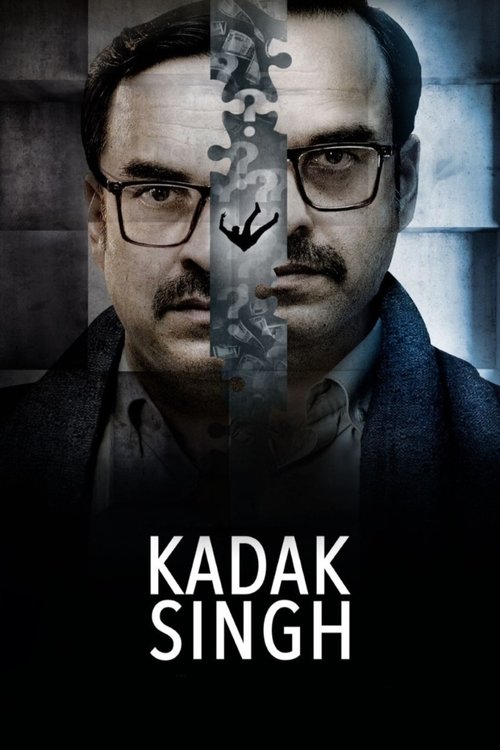
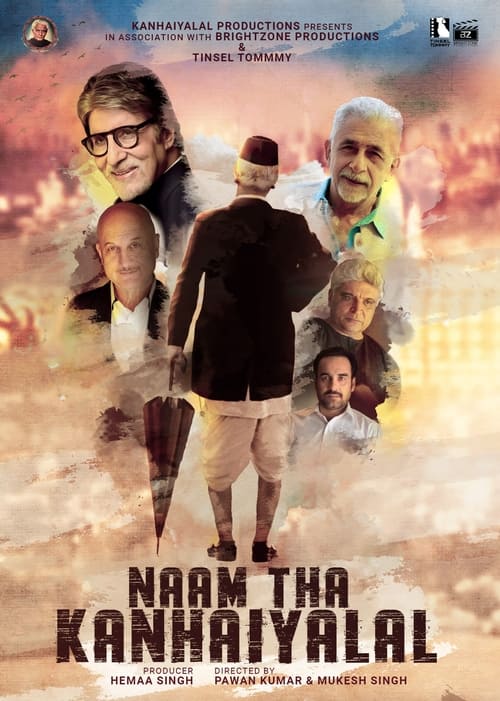
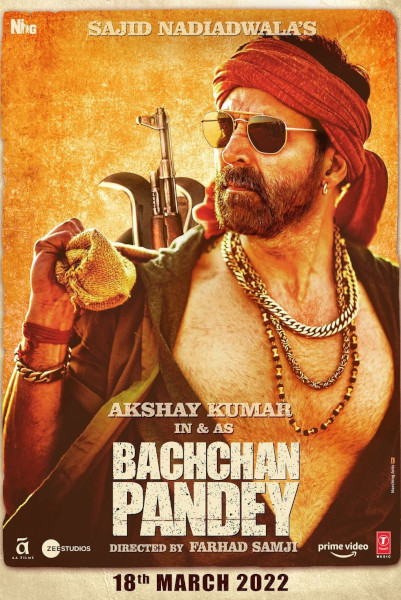
See all 60 credits →





Collaboration Network
The Constellation
Top 10 most-paired collaborators. Bubble size and line thickness reflect how many films they share with Pankaj Tripathi.
Career Analytics
Genre Breakdown
Language Distribution
Films by Decade
Top Co-Actors
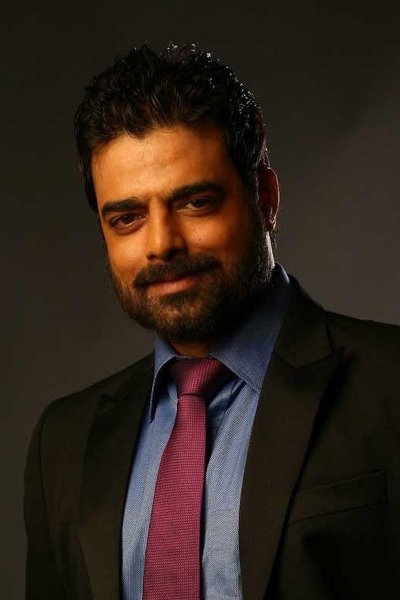
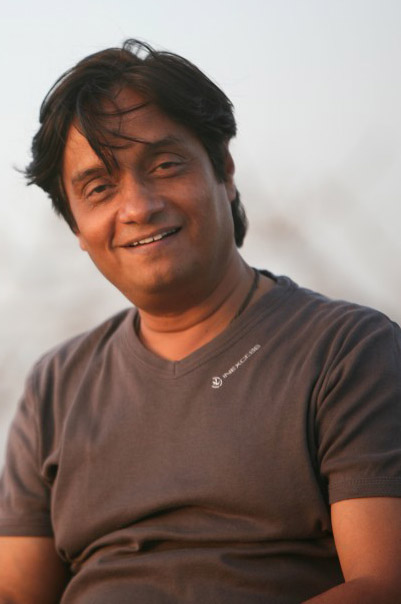
See all →Pankaj Tripathi has worked most frequently with Homi Adajania (2 films), Sanjay Mishra (6 films), Ali Fazal (5 films), Abhimanyu Singh (4 films), and Brijendra Kala (4 films).




Did You Know?
Pankaj Tripathi was born in Belsand, Gopalganj, Bihar, India.
He studied acting at the National School of Drama (NSD) in New Delhi, graduating in 2004.
He made his film debut with a minor role in the 2004 film 'Run'.
His breakthrough role came with the 2012 film 'Gangs of Wasseypur', where he played the character Sultan Qureshi.
He won the National Film Award for Best Supporting Actor for his role in the 2021 film 'Mimi'.
Signature Dialogues
Jo aaya hai use jaana bhi hai, par jayega hamari marzi se
Kaleen Bhaiya (Akhandanand Tripathi)·Mirzapur
Jab kurbaani dene ka time aaye to kurbaani sipaahi ki di jaati hai
Kaleen Bhaiya (Akhandanand Tripathi)·Mirzapur
Voting machine ek khilone jaisa hai. Joh pasand aaye, accha lage, woh button daba do!
Commandant Atma Singh·Newton
Shudh shakahari, dal bhaat tarkaari... sab maal sarkari
Collector·Manjhi: The Mountain Man
Maa aur bacche ka ristey na duniya ka sabse pavitra ka ristey hota hai
Suresh Trivedi·Mimi
Legacy & Influence
Pankaj Tripathi's journey in Indian cinema is a testament to the power of character acting and the profound impact a supporting performer can have on the narrative fabric of film. Emerging from a background in theatre and minor television roles, his breakthrough came not with a traditional lead part, but through a series of meticulously crafted, deeply human character portrayals that resonated with audiences and critics alike. His career trajectory dismantles the conventional star system, proving that talent and authenticity can carve a unique and indispensable space. Tripathi's contribution is multifaceted. He brought a rare, grounded naturalism to Hindi cinema, often portraying characters from India's heartland with an unparalleled depth and empathy that avoided caricature. In films like 'Masaan' and 'Nil Battey Sannata', he embodied ordinary individuals with extraordinary emotional resonance, making their struggles and triumphs palpably real. This ability to elevate every frame he occupies, regardless of screen time, has made him a director's asset and a viewer's anchor. Furthermore, he has been instrumental in the rise of content-driven cinema in mainstream and streaming platforms, with his work in series like 'Mirzapur' achieving cult status. His performances often serve as the moral or emotional core of a story, providing stability and nuance amidst larger narratives. By consistently choosing diverse and challenging roles across genres—from the intense political drama of 'The Tashkent Files' to the inspirational biopic 'Super 30' and the sports epic '83'—Tripathi has redefined the scope and importance of character actors. He has inspired a generation of performers and writers to create richer, more complex supporting roles, underscoring that every character has a story. His legacy is that of a performer who, through sheer skill and quiet dedication, became not just a scene-stealer, but a pillar of contemporary Indian storytelling.