

Kovai Sarala & Manorama Movies Together List — 5 Films
Complete Movies List & Collaboration History
Last updated: 2026-07-12 · Data sources: Wikipedia, TMDB
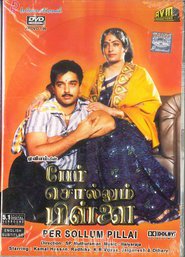
Kovai Sarala and Manorama appeared together in 5 Tamil films between 1987 and 2001. Their highest-rated collaboration was Piriyadha Varam Vendum (2001 — 7.5/10). Films span Per Sollum Pillai (1987) through Piriyadha Varam Vendum (2001).
The Kovai Sarala & Manorama partnership
After 11 years apart, they came back together for Maayi (2000). They didn't share a set between 1989 and 2000. They saved their best for last — Piriyadha Varam Vendum (7.5/10) came 14 years in.
From Per Sollum Pillai (1987) to Piriyadha Varam Vendum (2001). Piriyadha Varam Vendum is the one most viewers reach for.
The shape of the work
The 1980s account for 60% of everything they made together. The 1980s belonged to Per Sollum Pillai; the 2000s to Piriyadha Varam Vendum. Kovai Sarala acted in every film; Manorama acted in all of them. Strictly Tamil cinema — they never crossed industries together.
Partnership facts
- Kovai Sarala was already a stage veteran when Manorama recommended her for Per Sollum Pillai (1987). Manorama told the director: 'She’ll match my timing. Just watch.' That film became their first together.
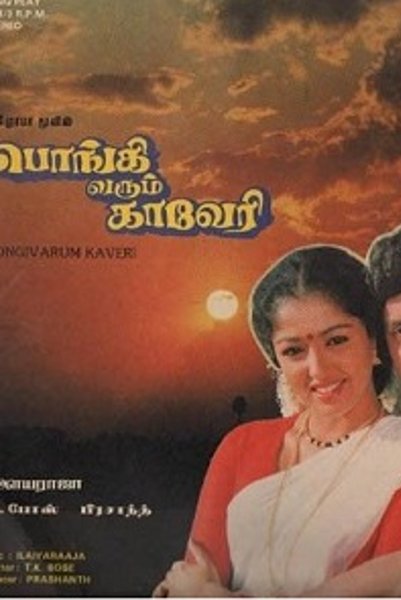
- In Pongi Varum Kaveri (1989), Manorama would deliberately flub a line mid-scene to throw Sarala off. Sarala would then improvise a comeback that made the crew crack up. They turned each other’s mistakes into the funniest moments.
- Manorama set the rhythm in their scenes — she’d speed up her dialogue delivery like a machine gun. Sarala learned to match that pace, then slow it down unexpectedly to steal the laugh. That push-and-pull is why their comedy never felt rehearsed.
- On the sets of Thangamana Purushan (1989), Manorama would pull Sarala aside between shots and teach her how to read a crowd during a live performance. Sarala later said those lessons saved her during her own stage shows.
- Kovai Sarala once said: 'Manorama akka never let me feel like a junior. She’d say, 'You’re not here to fill space — you’re here to take space.' I took that to heart.'
- Their double-act in Piriyadha Varam Vendum (2001) — the film that scored a 7.5 — directly inspired the comedy track in the later hit 'Kalakalappu' (2012). The writer admitted he rewatched their scenes to study how two women could own a comedy film without a male lead.
5 films across 2 decades
The 1980s accounted for 3 films, averaging 4.7/10.
The 2000s brought 2 films together, anchored by Piriyadha Varam Vendum (7.5/10).
- Per Sollum Pillai
- Pongi Varum Kaveri0
- Piriyadha Varam Vendum
- Maayi
The partnership in numbers
Partnership Pattern
5 films across 14 years represents consistent collaboration.
Language Distribution
Linguistic diversity: 1 language, with Tamil being their primary medium.
Where each was in their career
When they first worked together, Kovai Sarala had 8 films behind them; Manorama had 157. After Piriyadha Varam Vendum, Kovai Sarala kept going for 77 more films; Manorama stepped back.
Before Per Sollum Pillai, Kovai Sarala had starred in 8 films, including Mundhanai Mudichu (1983) and Nooravathu Naal (1984).
After Piriyadha Varam Vendum, Kovai Sarala went on to appear in 77 more films, including Mersal (2017) and Hero (2008).
Before Per Sollum Pillai, Manorama had starred in 157 films, including Enakkul Oruvan (1984) and Server Sundaram (1964).
After Piriyadha Varam Vendum, Manorama went on to appear in 22 more films, including Periyar (2007) and Arundhati (2009).


Collaboration Journey
A chronological view of Kovai Sarala & Manorama's professional partnership
Actors and musicians who worked on most of their films
Ilayaraja is the through-line — music on 3 of their 5 films. Ilayaraja scored 3 of them.
 2
2 2
2 2
2 2
2



























 3
3 2
2Other iconic Tamil director-actor duos
Discover other partnerships with comparable filmographies and ratings
 Santhanam
 Soori
Soori Jangiri Madhumitha
 Iniya
Iniya Thambi RamaiahSanthanam
 Andrea Jeremiah
 Udhayanidhi Stalin
 Harris Jayaraj
 Saranya PonvannanSoori