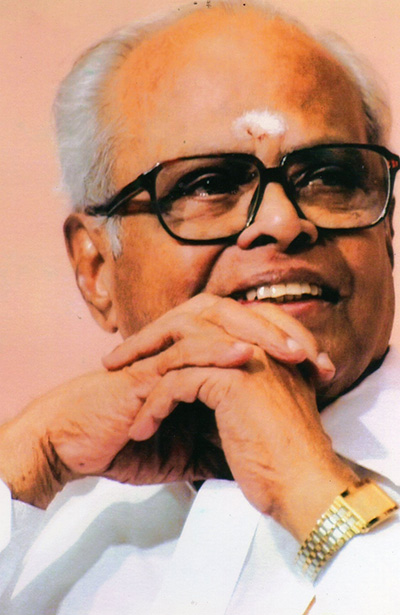
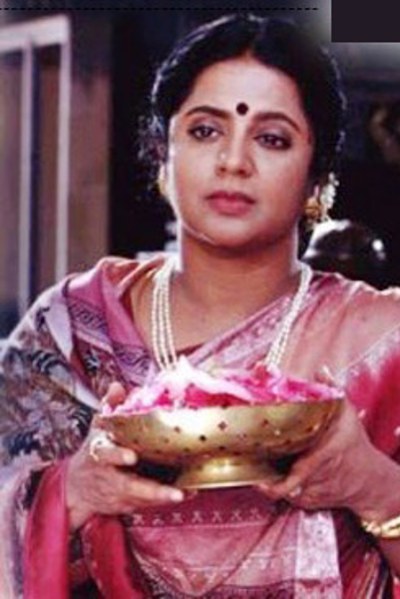
K. Balachander & Srividya Movies Together List — 6 Films
Complete Movies List & Collaboration History
Last updated: 2026-07-13 · Data sources: Wikipedia, TMDB
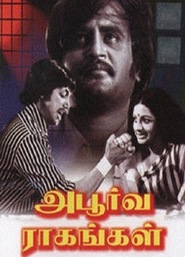
K. Balachander and Srividya appeared together in 6 Tamil films between 1971 and 1996. Their highest-rated collaboration was Apoorva Raagangal (1975 — 8.3/10). Films span Nootrukku Nooru (1971) through Cha Cha Charlee (1996).
The K. Balachander & Srividya partnership
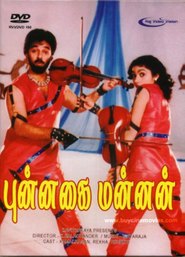
After 11 years apart, they came back together for Punnagai Mannan (1986). They didn't share a set between 1975 and 1986. Their work runs across 3 decades of Tamil cinema.
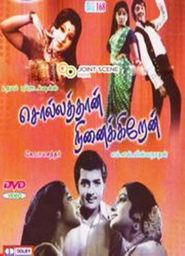
From Nootrukku Nooru (1971) to Cha Cha Charlee (1996). Sollathaan Ninaikkiren (1973, 7.5/10) is the underseen one in the catalogue.
The shape of the work
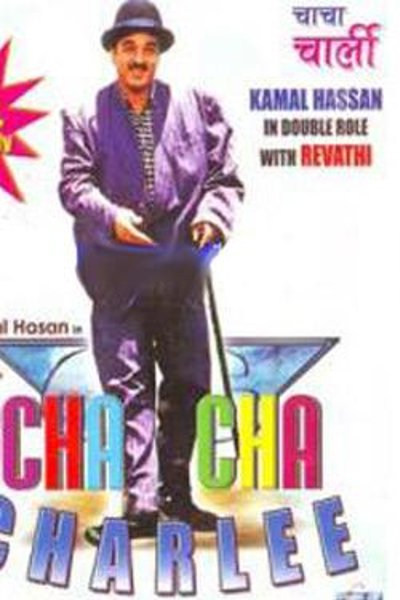
The 1970s account for 67% of everything they made together. The 1970s belonged to Apoorva Raagangal; the 1990s to Cha Cha Charlee. K. Balachander directed every film; Srividya acted in all of them.
Partnership facts
- Balachander discovered Srividya as a child artiste in Malayalam, but their first Tamil film together almost didn't happen. He cast her as the lead in Nootrukku Nooru (1971) only after she insisted she could handle the mature role — she was just 18.
- In Apoorva Raagangal (1975), Balachander deliberately made Srividya play against her soft image. He had her deliver her lines in a flat, cold monotone — a choice that made her character's emotional breakdown in the climax hit twice as hard. She later said he was the only director who made her act with her voice, not just her face.
- Their 1975 film Apoorva Raagangal launched Kamal Haasan as a mainstream star. Srividya played the older woman in a taboo romance with his character — and the film's success directly led to Kamal becoming Balachander's regular hero for the next decade.
- Srividya was the only actress Balachander trusted to improvise dialogue on set. During Sollathaan Ninaikkiren (1973), she changed a key line in the final scene without telling him. He kept it in the film and never asked her to stick to the script again.
- Balachander once said about Srividya: 'She could cry on cue, but more importantly, she could stop crying on cue. That's rare. I never had to explain a scene to her twice.'
- By the time they made Punnagai Mannan (1986), Balachander deliberately gave Srividya a thankless mother role — a sharp contrast to the bold, complex women she played in their 70s films. She took it anyway, because he told her: 'This film will make Kamal a star. You've already done your part.'
6 films across 3 decades
The 1970s brought 4 films together, anchored by Apoorva Raagangal (8.3/10).
The 1980s accounted for 1 film, averaging 5.2/10.
The 1990s accounted for 1 film.
- Apoorva Raagangal
- Nootrukku Nooru
- Punnagai Mannan
- Cha Cha Charlee0
The partnership in numbers
Partnership Pattern
6 films across 25 years represents consistent collaboration.
Language Distribution
Linguistic diversity: 2 languages, with Tamil being their primary medium.
Where each was in their career
Before Nootrukku Nooru, K. Balachander had directed 14 films, including Major Chandrakanth (1966) and Server Sundaram (1964).
After Cha Cha Charlee, K. Balachander went on to direct 5 more films, including Poi (2006) and Uttama Villain (2015).
Before Nootrukku Nooru, Srividya had starred in 3 films, including Neelagiri Express (1968) and Moondrezhuthu (1968).
After Cha Cha Charlee, Srividya went on to appear in 16 more films, including Sangamam (1999) and Kannedhirey Thondrinal (1998).
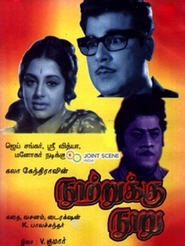
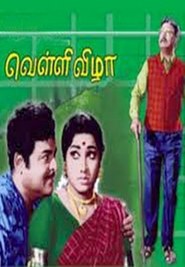
Collaboration Journey
A chronological view of K. Balachander & Srividya's professional partnership
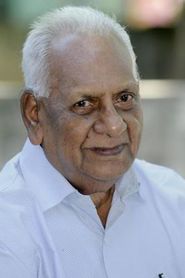
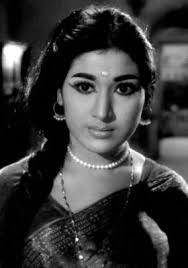
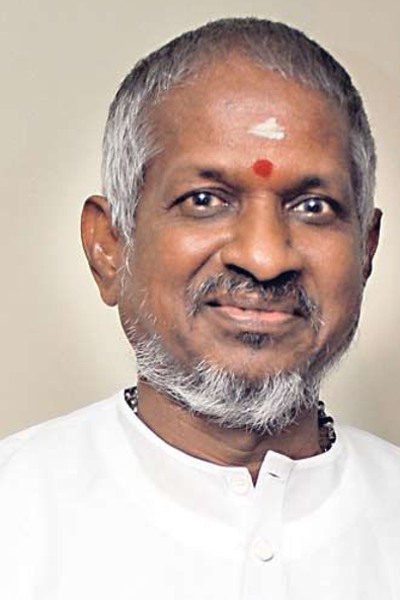
Actors and musicians who worked on most of their films
Kamal Haasan is the through-line — cast on 4 of their 6 films. Kamal Haasan appears alongside them in 4 films — practically a third lead.
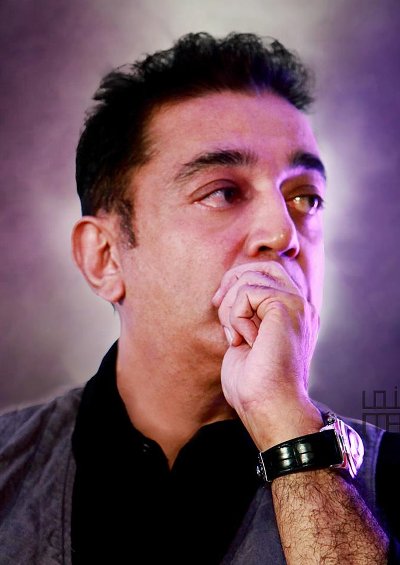 4
4 3
3 2
2 2
2 2
2 2
2



 2
2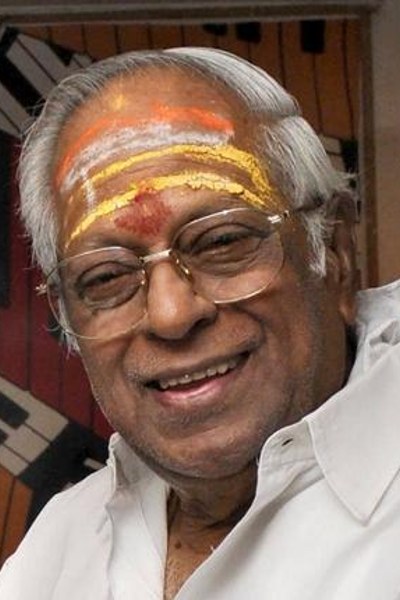 222
222Other iconic Tamil director-actor duos
Discover other partnerships with comparable filmographies and ratings
 Vijay Sethupathi
 Anirudh Ravichander
 Kishore
 Prakash RajKishore
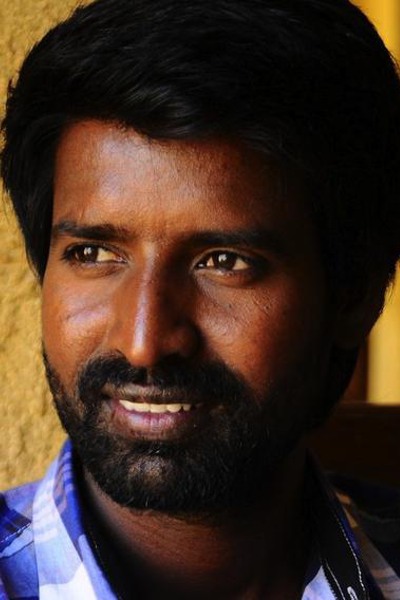 Soori
Soori Suhasini Maniratnam
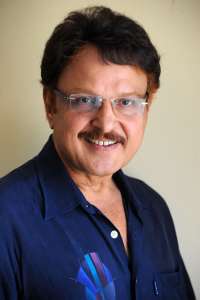 Sarath Babu
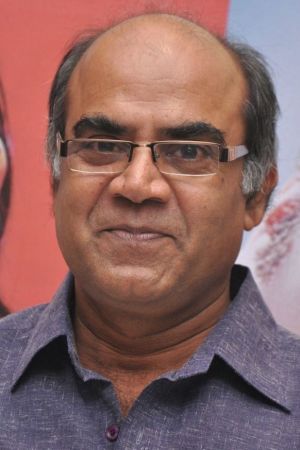 Thalaivasal Vijay
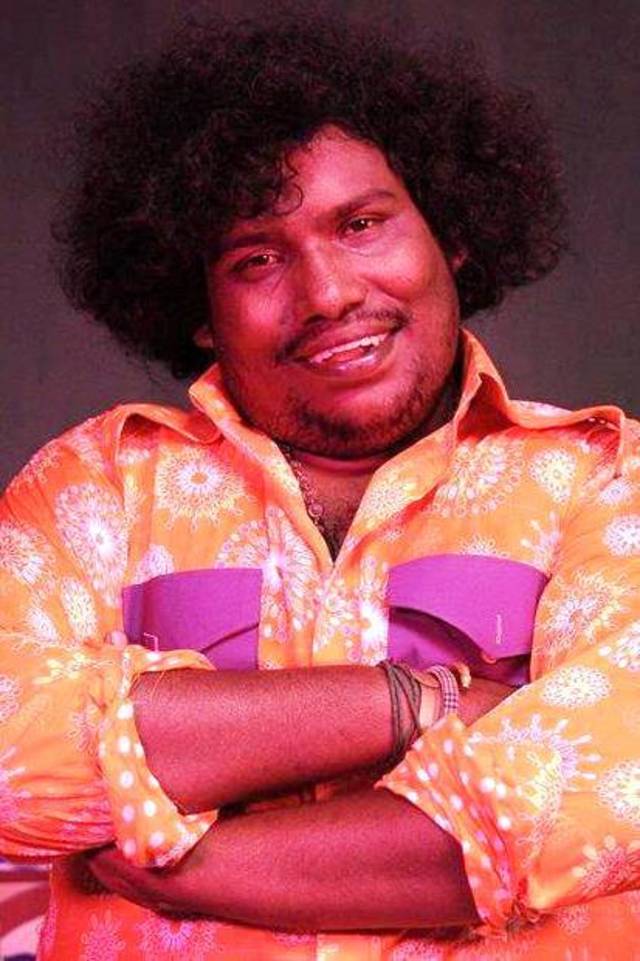 Yogi Babu
 Sampath RajPrakash Raj