

Yuvan Shankar Raja & Manorama Movies Together List — 3 Films
Complete Movies List & Collaboration History
Last updated: 2026-07-13 · Data sources: Wikipedia, TMDB
Yuvan Shankar Raja and Manorama appeared together in 3 Tamil films between 2004 and 2007. Their highest-rated collaboration was 7G Rainbow Colony (2004 — 7.0/10). Films span Perazhagan (2004) through Thaamirabharani (2007).
The Yuvan Shankar Raja & Manorama partnership
From Perazhagan (2004) to Thaamirabharani (2007). 7G Rainbow Colony is the one most viewers reach for. It started with Perazhagan (2004).
The shape of the work
Yuvan Shankar Raja scored every film; Manorama acted in all of them. Strictly Tamil cinema — they never crossed industries together.
3 films across 1 decade
- 7G Rainbow Colony
- Perazhagan
The partnership in numbers
Partnership Pattern
3 films across 3 years represents consistent collaboration.
Language Distribution
Linguistic diversity: 1 language, with Tamil being their primary medium.
Where each was in their career
When they first worked together, Yuvan Shankar Raja had 22 films behind them; Manorama had 265. After Thaamirabharani, Yuvan Shankar Raja kept going for 115 more films; Manorama stepped back.
Before Perazhagan, Yuvan Shankar Raja had starred in 22 films, including Kadhal Kondein (2003) and Pop Carn (2003).
After Thaamirabharani, Yuvan Shankar Raja went on to appear in 115 more films, including Super Deluxe (2019) and Peranbu (2019).
Before Perazhagan, Manorama had starred in 265 films, including Enakkul Oruvan (1984) and Server Sundaram (1964).
After Thaamirabharani, Manorama went on to appear in 3 more films, including Arundhati (2009) and Irumbu Kottai Murattu Singam (2010).

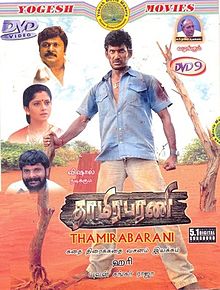
Collaboration Journey
A chronological view of Yuvan Shankar Raja & Manorama's professional partnership
Actors and musicians who worked on most of their films
People who worked on Yuvan Shankar Raja & Manorama's films together
























Other iconic Tamil director-actor duos
Discover other partnerships with comparable filmographies and ratings
 Aishwarya Rajesh
 Raadhika Sarathkumar
 Janani Iyer
 Kalaiyarasan
 Kishore
 Hareesh Peradi
 VTV GaneshPrabhu
 Thambi Ramaiah
 Lakshmi MenonGanja Karuppu
 Anupama Kumar