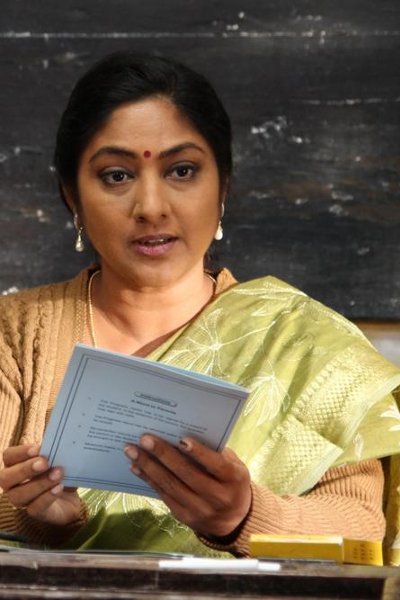
Rohini
Rohini is an Indian actor, best known for Tamil cinema. Rohini began their career in 1990 and has been a prominent figure in the industry for over 36 years. With over 120 credits to their name and an average audience rating of 6.0, Rohini remains one of the most prolific and celebrated talents in the industry. Rohini's influence on Tamil cinema is generational — their work continues to define the standard for the industry.
- Born
- Age
- 56
Biography
Rohini Molleti is an Indian actress, screenwriter, lyricist, and dubbing artist who has worked predominantly in Tamil, Telugu, and Malayalam cinema, beginning her career as a child artist in 1976. She is best known for her roles in Magalir Mattum (1994) alongside Revathi and Urvashi, Virumaandi (2004) directed by Kamal Haasan, and Marupadiyum (1993), and received a National Award Special Mention and the Andhra Pradesh Nandi Award for Best Performance for the Telugu film Stri (1995). Beyond acting, she has voiced characters in five Mani Ratnam films as a dubbing artist and dubbed for actresses including Jyotika and Aishwarya Rai Bachchan in Tamil. She later gained wider pan-Indian recognition through her role in SS Rajamouli's Baahubali: The Beginning (2015) and continues to be active across South Indian film industries.
Career Milestones
Film debut as child actress
Breakthrough Tamil role in ensemble women-centric film
View film →National Award Special Mention and Andhra Pradesh State Award for Best Female Actor
Kalaimamani Award conferred by Tamil Nadu government
Major mainstream recognition for role in Baahubali franchise
Iconic Roles
Virumaandi
A civil rights activist and doctoral researcher who interviews death row prisoners in Madras Central Prison for her PhD thesis opposing capital punishment. The role marked Rohini's comeback after an 8-year hiatus and is widely regarded as one of her most powerful performances.
Magalir Mattum
One of three women who band together to confront their sexually harassing office boss. Rohini's portrayal of a working-class woman navigating workplace harassment became a landmark in Tamil feminist cinema.
Marupadiyum
A dramatic role in director K. Balachander's film that showcased Rohini's range as a serious dramatic actress in early Tamil parallel cinema.
Defining Moments
Surya's determined arc across the narrative — a strong-willed female lead in a late-80s/early-90s Tamil context where such characterisation was rare
One of Rohini's early leading roles that built her reputation for playing women with agency, setting the template for the socially conscious characters she would become known for through the 1990s.
View film →Kavitha's emotional breakdown sequence — Rohini's hysteria-driven performance in the family-drama climax that drew rare critical attention to her range
Kalki's critic specifically called the performance 'new to Tamil cinema'. Directed by Balu Mahendra, the film is regarded as an art-house landmark, and Rohini's intensity in this scene established her as a serious dramatic actress beyond mainstream roles.
View film →Papamma confronting the lecherous boss Pandian with sharp-tongued defiance — the cleaning-staff outsider who refuses to be intimidated despite having the least job security of the three women
The film became a cult milestone in Tamil cinema and is regarded as an early MeToo narrative. Rohini's working-class Papamma gave the story its most grounded voice; her no-nonsense retorts are among the most-quoted lines from the film.
View film →Angela Kaathamuthu's personal revelation — she discloses that her father was hanged in the same prison she is researching, making her anti-capital-punishment crusade deeply personal rather than merely academic
Rohini's understated emotional delivery in this pivotal scene anchored the film's moral argument against the death penalty. Her comeback after an 8-year hiatus was widely praised; critics singled her out alongside Pasupathy as standout performers in an ensemble led by Kamal Haasan.
View film →Angela framing the Rashomon-structure narrative — as the interviewing journalist whose questions drive both conflicting accounts, Rohini's measured presence is the moral compass the audience holds onto throughout the film
In a film structured around unreliable narrators, Angela is the only consistently trustworthy perspective. Rohini's restraint against Kamal Haasan's flamboyance was widely noted by critics as a deliberate and effective performance choice.
View film →Rohini by the Numbers
If you watched every Rohini film back-to-back, you'd be at it for roughly 9 days and 8h. Most-paired with Nassar — 9 films together.
Filmography
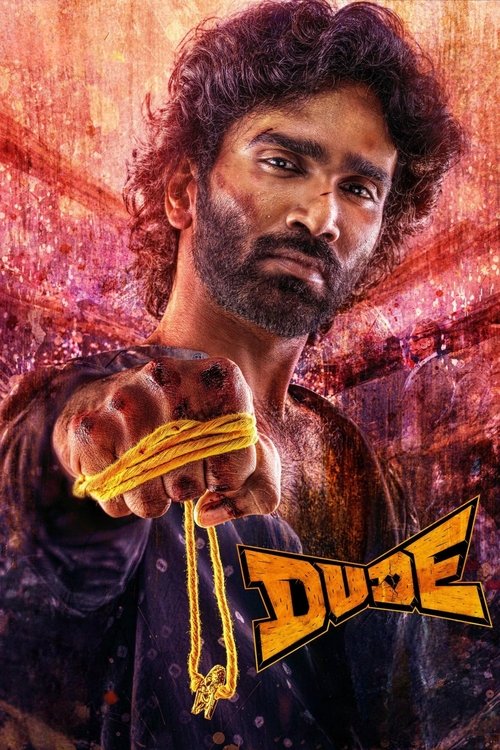
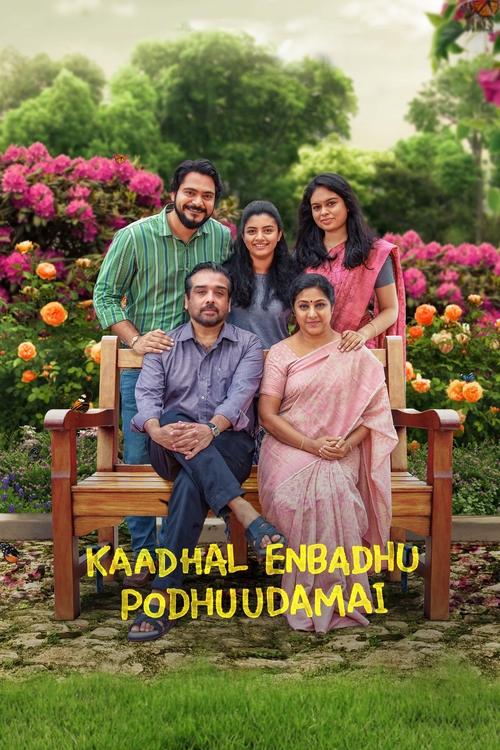
See all 120 credits →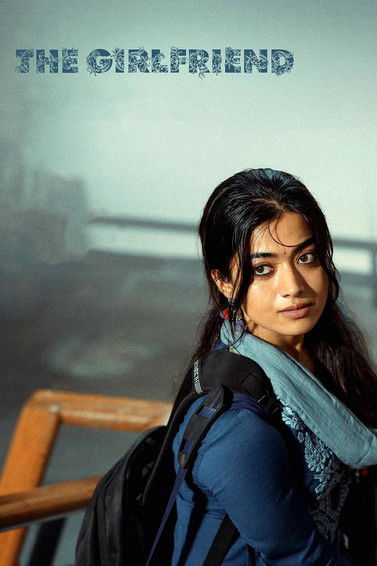




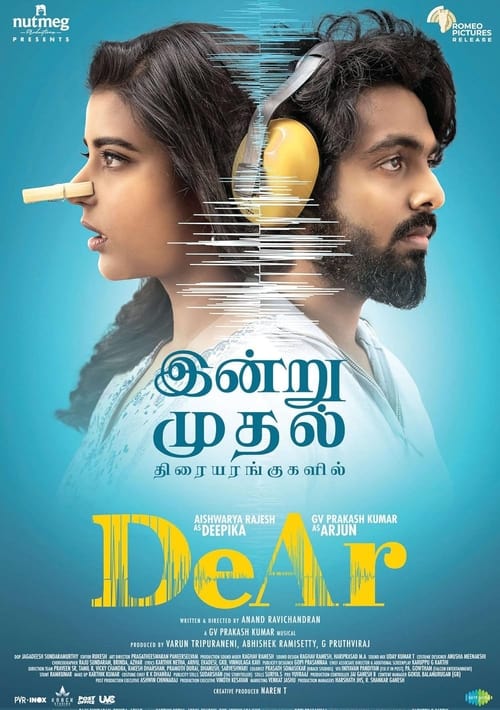
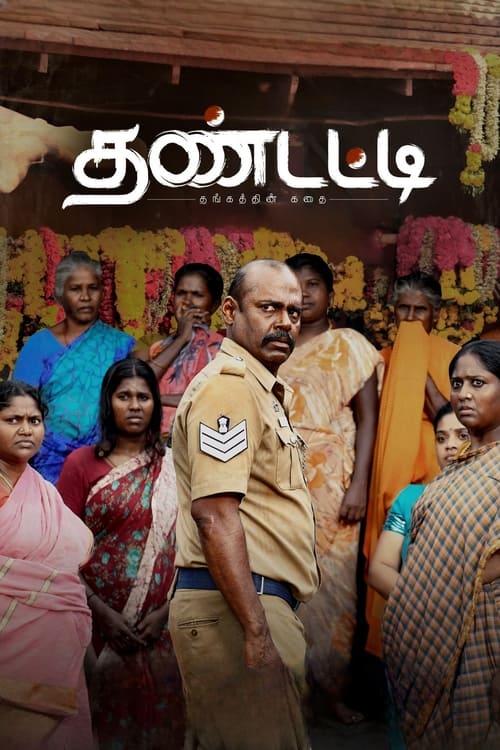
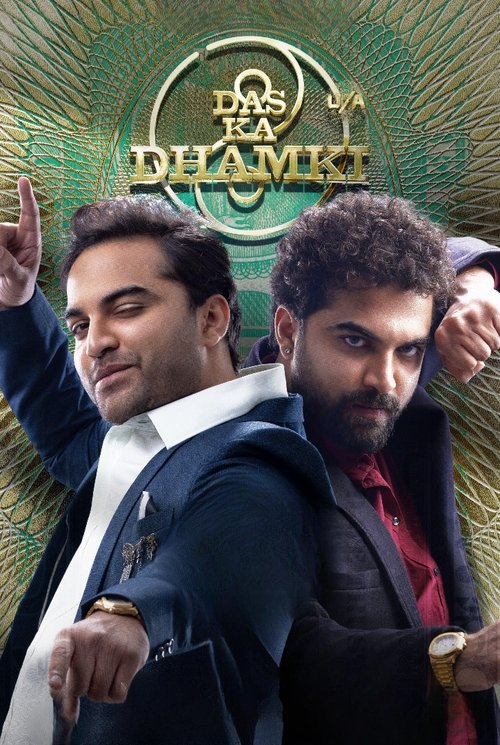
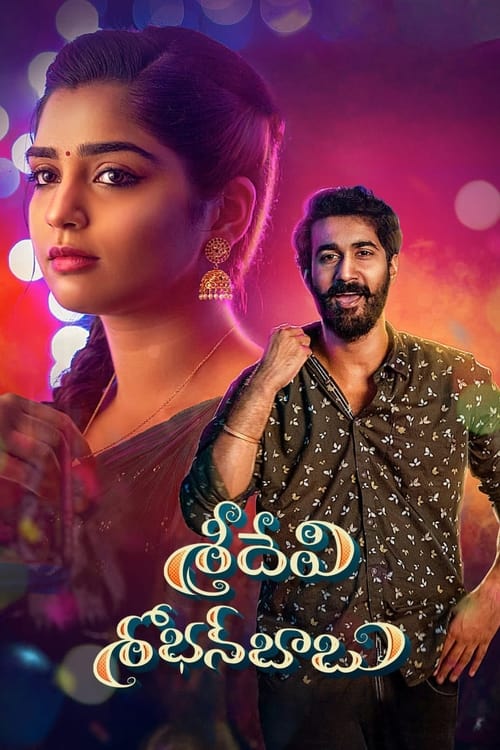
Collaboration Network
The Constellation
Top 10 most-paired collaborators. Bubble size and line thickness reflect how many films they share with Rohini.
Career Analytics
Genre Breakdown
Language Distribution
Films by Decade
Top Co-Actors
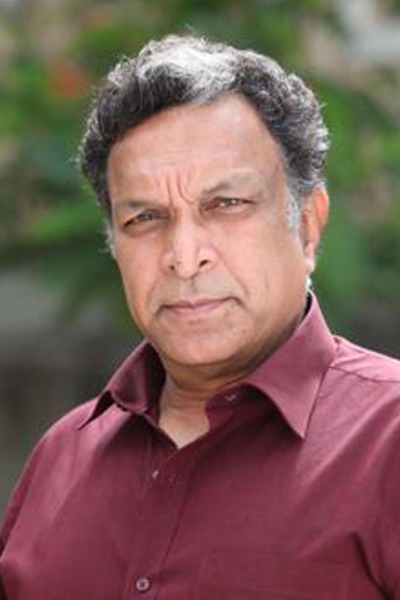
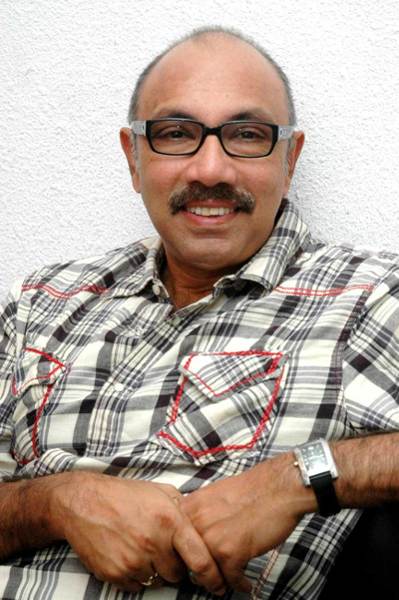
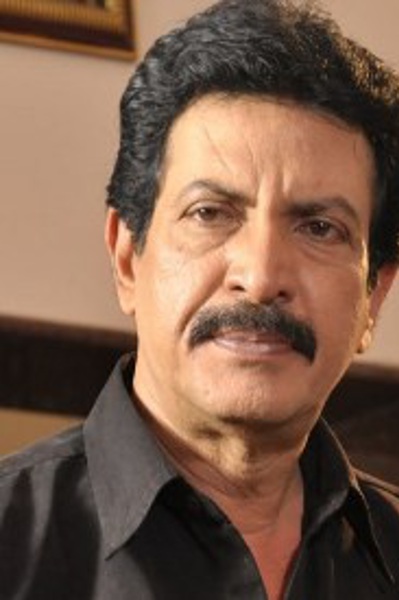
See all →Rohini has worked most frequently with Mohan Krishna Indraganti (2 films), Nassar (9 films), Revathi (4 films), Sathyaraj (3 films), and Prabhu (3 films).






Did You Know?
Rohini made her acting debut as a child artist at the age of five in the 1975 Tamil film 'Uravu Solla Oruvan'.
She is a recipient of the National Film Award – Special Mention for her performance in the 2010 Tamil film 'Nandalala'.
She is also a lyricist and screenwriter, having written the screenplay and dialogues for the 2013 Tamil film 'Naan Rajavaga Pogiren'.
She has directed the 2015 Tamil film 'Ladies & Gentlemen', in which she also acted.
She is the daughter of veteran Tamil actor and director Mohan Sharma.
Legacy & Influence
Rohini's career in Indian cinema is a remarkable narrative of longevity, versatility, and artistic evolution. Beginning as a child artist in the late 1970s, she transitioned seamlessly into leading and character roles, becoming a familiar and respected presence across South Indian film industries, particularly in Malayalam and Tamil. Her early work in the 1980s and 1990s established her as a capable performer in a range of genres, from drama to comedy. A significant turn in her career trajectory was her performance in the 1994 Tamil film 'Magalir Mattum,' where her portrayal of Papamma was critically acclaimed for its depth and authenticity, showcasing her ability to anchor a narrative focused on women's lives. This role cemented her reputation as a serious actor capable of delivering powerful social commentaries. Beyond acting, Rohini expanded her creative influence as a lyricist and screenwriter, notably for the film 'Mitr, My Friend' (2002), which she also co-wrote. This move into writing and later direction demonstrated a multifaceted understanding of filmmaking, contributing to narratives that often centered on nuanced female experiences. Her later career choices, including impactful supporting roles in films like 'Virumaandi' (2004) and 'Nandalala' (2010), highlight a consistent selection of substantial, character-driven projects over mere commercial ventures. Her contribution lies in a sustained career that bridges mainstream and artistic cinema, often choosing roles that add substance to the narrative fabric. By successfully navigating acting, writing, and directing, she has paved a path for actress-filmmakers in the industry, emphasizing creative control and narrative depth. Her body of work, spanning over four decades, represents a quiet but persistent force in shaping character artistry and contributing to films that prioritize storytelling and social relevance.