Sivakumar & P. Madhavan Movies Together List — 4 Films
Complete Movies List & Collaboration History
Last updated: 2026-07-13 · Data sources: Wikipedia, TMDB
Sivakumar and P. Madhavan appeared together in 4 Tamil films between 1973 and 1980. Films span Ponnukku Thanga Manasu (1973) through Kuruvikoodu (1980).
The Sivakumar & P. Madhavan partnership
From Ponnukku Thanga Manasu (1973) to Kuruvikoodu (1980). The unfolded closed with Kuruvikoodu in 1980. It started with Ponnukku Thanga Manasu (1973).
The shape of the work
The 1970s account for 75% of everything they made together. The 1970s belonged to Ponnukku Thanga Manasu; the 1980s to Kuruvikoodu. Sivakumar acted in every film; P. Madhavan directed all of them. Strictly Tamil cinema — they never crossed industries together.
Partnership facts
- Sivakumar was already a star when P. Madhavan cast him in 'Ponnukku Thanga Manasu' (1973). But Madhavan took a risk: he gave Sivakumar a double role — father and son — which was rare for a young hero then. Sivakumar later said Madhavan's faith in him made him push harder.
- On the sets of 'Kanmani Raja' (1974), Madhavan would quietly rewrite scenes the night before shooting. Sivakumar would show up, read the new lines once, and deliver them perfectly. Madhavan told a magazine that Sivakumar's memory was so sharp he never needed a second take — which forced Madhavan to write tighter dialogue.
- Their 1979 film 'Enipadigal' was one of the first Tamil films to openly discuss caste discrimination in a romantic plot. It didn't just get talked about — it directly inspired a wave of socially-conscious love stories in the early 80s, including 'Mouna Ragam' director Mani Ratnam's early influences.
- Sivakumar and Madhavan were neighbours in Chennai for over a decade. They'd carpool to shoots together, and Madhavan's wife would pack extra lunch for Sivakumar because she knew he'd forget his. Their families remained close even after the films stopped.
- Sivakumar once said in a 1981 interview: 'Madhavan sir didn't just direct me — he taught me how to cry on cue without glycerin. He'd tell me a sad story from his own life, and I'd cry for real. That's how we shot every emotional scene.'
- In 'Kuruvikoodu' (1980), Madhavan deliberately cast Sivakumar against type — as a quiet, vulnerable father instead of the usual romantic hero. Sivakumar later admitted he was nervous, but Madhavan shot all his close-ups first to build his confidence. The film became a sleeper hit because of that performance.
4 films across 2 decades
The 1970s accounted for 3 films.
The 1980s accounted for 1 film.
- Ponnukku Thanga Manasu0
- Kanmani Raja0
- Kuruvikoodu0
The partnership in numbers
Partnership Pattern
4 films across 7 years represents consistent collaboration.
Language Distribution
Linguistic diversity: 1 language, with Tamil being their primary medium.
Where each was in their career
After Kuruvikoodu, Sivakumar kept going for 81 more films; P. Madhavan stepped back. By the time of Ponnukku Thanga Manasu, both already had careers — Sivakumar with 18 films, P. Madhavan with 16.
Before Ponnukku Thanga Manasu, Sivakumar had starred in 18 films, including Annai Velankanni (1971) and Agathiyar (1972).
After Kuruvikoodu, Sivakumar went on to appear in 81 more films, including Agni Sakshi (1982) and Anandha Ragam (1982).
Before Ponnukku Thanga Manasu, P. Madhavan had directed 16 films, including Pattikada Pattanama (1972) and Vietnam Veedu (1970).
After Kuruvikoodu, P. Madhavan went on to direct 6 more films, including Ram Tere Kitne Nam (1985) and Adugal Nanaigindrana (1981).
Collaboration Journey
A chronological view of Sivakumar & P. Madhavan's professional partnership
Actors and musicians who worked on most of their films
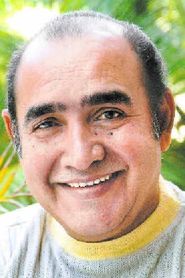
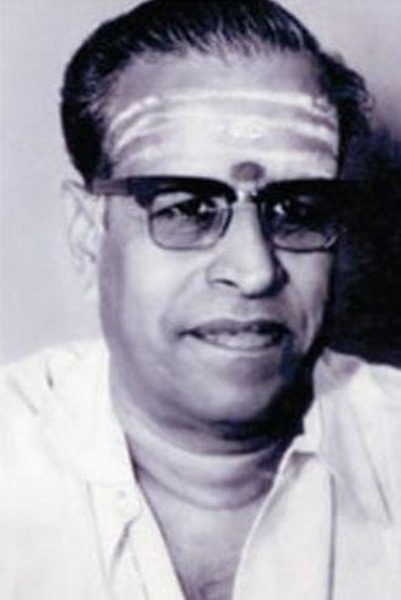
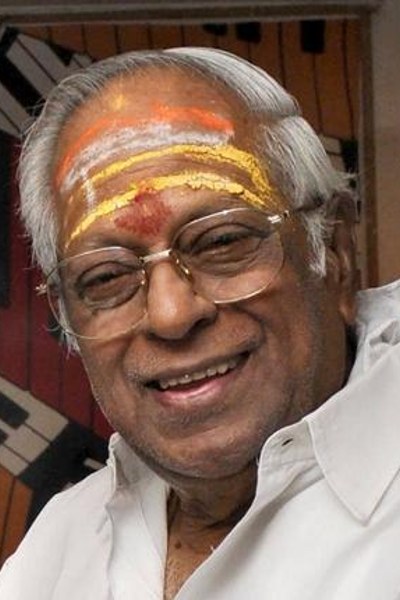
K. V. Mahadevan is the through-line — music on 2 of their 4 films.




Other iconic Tamil director-actor duos
Discover other partnerships with comparable filmographies and ratings