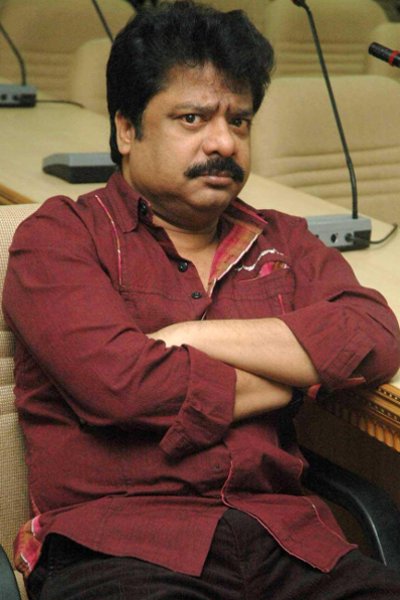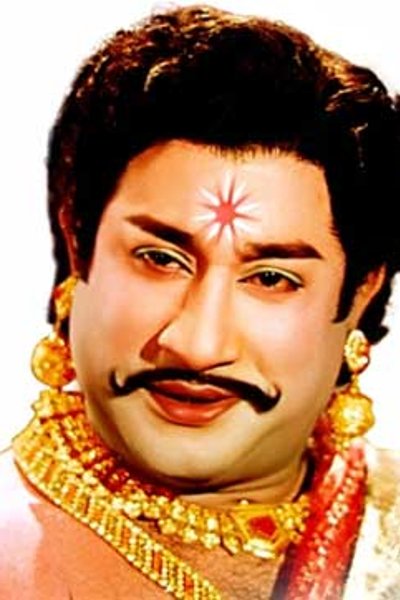
Sivaji Ganesan & Sasikumar Movies Together List — 2 Films
Complete Movies List & Collaboration History
Last updated: 2026-07-16 · Data sources: Wikipedia, TMDB
Sivaji Ganesan and Sasikumar appeared together in 2 Tamil films between 1970 and 1973. Films span Raman Ethanai Ramanadi (1970) through Rajapart Rangadurai (1973).
The Sivaji Ganesan & Sasikumar partnership
From Raman Ethanai Ramanadi (1970) to Rajapart Rangadurai (1973). The ran closed with Rajapart Rangadurai in 1973. It started with Raman Ethanai Ramanadi (1970).
The shape of the work
Sivaji Ganesan acted in every film; Sasikumar acted in all of them.
2 films across 1 decade
- Raman Ethanai Ramanadi0
- Rajapart Rangadurai0
The partnership in numbers
Partnership Pattern
2 films across 3 years represents consistent collaboration.
Language Distribution
Linguistic diversity: 1 language, with Tamil being their primary medium.
Where each was in their career
33% of Sasikumar's screen credits are with Sivaji Ganesan. When they first worked together, Sivaji Ganesan had 80 films behind them; Sasikumar had 0. After Rajapart Rangadurai, Sivaji Ganesan kept going for 118 more films; Sasikumar stepped back.
Before Raman Ethanai Ramanadi, Sivaji Ganesan had starred in 80 films, including Thiruvilaiyadal (1965) and Karnan (1964).
After Rajapart Rangadurai, Sivaji Ganesan went on to appear in 118 more films, including Thanga Pathakkam (1974) and Pattum Bharathamum (1975).
Raman Ethanai Ramanadi was Sasikumar's acting debut.
After Rajapart Rangadurai, Sasikumar went on to appear in 4 more films, including Panathukkaga (1974) and Paruva Kaalam (1974).
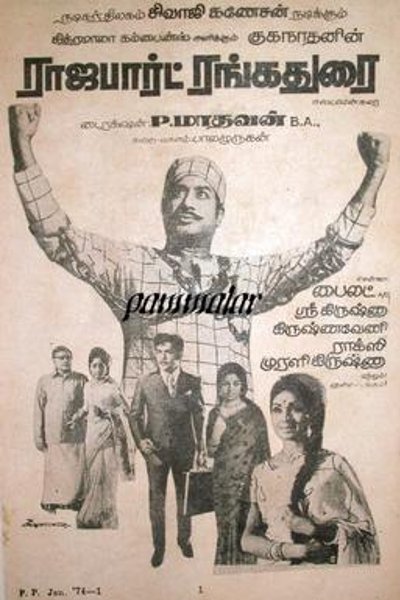
Collaboration Journey
A chronological view of Sivaji Ganesan & Sasikumar's professional partnership
Actors and musicians who worked on most of their films
M. S. Viswanathan is the through-line — music on 2 of their 2 films.



Other iconic Tamil director-actor duos
Discover other partnerships with comparable filmographies and ratings