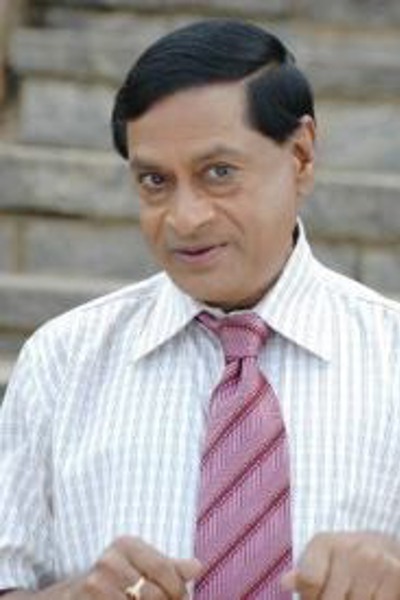
Sivaji Raja & M. S. Narayana Movies Together List — 4 Films
Complete Movies List & Collaboration History
Last updated: 2026-07-13 · Data sources: Wikipedia, TMDB
Sivaji Raja and M. S. Narayana appeared together in 4 Telugu films between 2000 and 2012. Their highest-rated collaboration was Anandamanandamaye (2004 — 6.5/10). Films span Ninne Premista (2000) through Devaraya (2012).
The Sivaji Raja & M. S. Narayana partnership
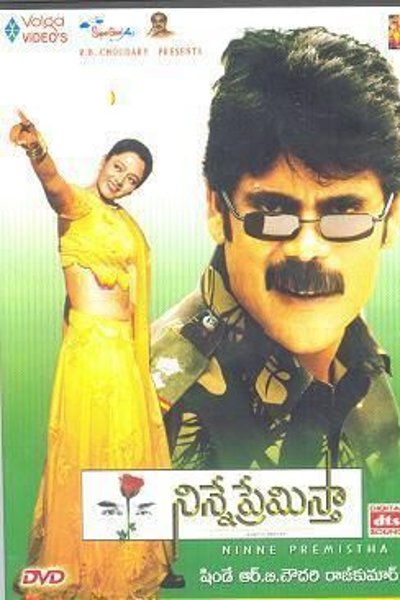
From Ninne Premista (2000) to Devaraya (2012). It started with Ninne Premista (2000).
The shape of the work
The 2000s account for 75% of everything they made together. The 2000s belonged to Anandamanandamaye; the 2010s to Devaraya. Sivaji Raja acted in every film; M. S. Narayana acted in all of them. Strictly Telugu cinema — they never crossed industries together.
Partnership facts
- They first shared screen space in Ninne Premista (2000) because director Kodi Ramakrishna needed a pair of actors who could switch between comedy and emotional beats in the same scene. Sivaji Raja was already a known face; M. S. Narayana was still finding his footing. The director bet on Narayana's raw timing to bounce off Raja's straight-man energy.
- In Anandamanandamaye (2004), Sivaji Raja would deliberately pause his lines mid-sentence to let M. S. Narayana jump in with an improvised punchline. Narayana later told a fan that Raja was the only co-star who 'left gaps for me to fill' — a rhythm they carried into Moguds Pellams (2005).
- During the shoot of Moguds Pellams (2005), the two shared a room in a small guesthouse near the sets. Every night, they would rehearse the next day's scenes by swapping roles — Sivaji Raja would play Narayana's part and vice versa — to find each other's weak spots before the camera rolled.
- The comic timing they perfected together in Anandamanandamaye (2004) directly influenced the writing of the 2006 film 'Lakshmi' — the director of that film admitted in an interview that he rewatched their scenes to study how two actors could trade dialogue without stepping on each other's lines.
- M. S. Narayana once said in a 2008 TV interview: 'Sivaji Raja is the only actor who made me feel like I was doing a scene with a mirror. He never tried to overshadow me. He just reflected what I gave him.'
- Devaraya (2012) was their last film together — and it almost didn't happen. Sivaji Raja had a scheduling conflict, but Narayana personally called him and said, 'If you don't do this, I won't do it either.' Raja rearranged his dates just for that call.
4 films across 2 decades
The 2000s accounted for 3 films, averaging 5.3/10.
The 2010s accounted for 1 film, averaging 4.5/10.
- Anandamanandamaye
- Ninne Premista
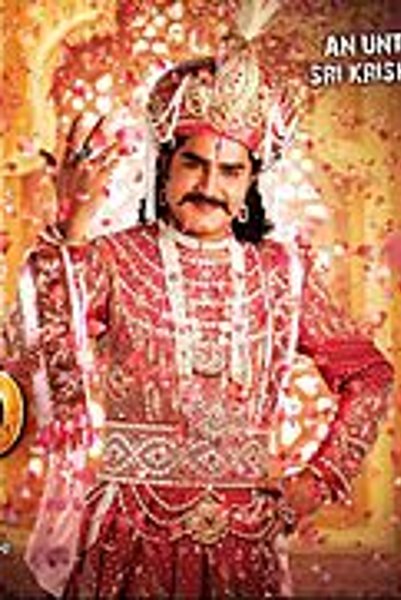
- Devaraya
The partnership in numbers
Partnership Pattern
4 films across 12 years represents consistent collaboration.
Language Distribution
Linguistic diversity: 1 language, with Telugu being their primary medium.
Where each was in their career
36% of Sivaji Raja's screen credits are with M. S. Narayana. After Devaraya, M. S. Narayana kept going for 35 more films; Sivaji Raja stepped back.
Before Ninne Premista, Sivaji Raja had starred in 2 films, including Suyamariyadhai (1992) and Katrukenna Veli (1982).
After Devaraya, Sivaji Raja went on to appear in 5 more films, including Brochevarevarura (2019) and Idam Jagath (2018).
Before Ninne Premista, M. S. Narayana had starred in 7 films, including Seenu (1999) and Premaku Velayara (1999).
After Devaraya, M. S. Narayana went on to appear in 35 more films, including Venkatadri Express (2013) and Atharintiki Daaredi (2013).
Collaboration Journey
A chronological view of Sivaji Raja & M. S. Narayana's professional partnership
Actors and musicians who worked on most of their films
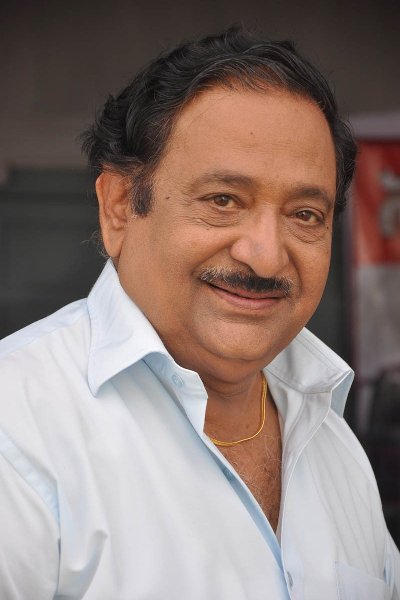
Chandra Mohan is the through-line — cast on 2 of their 4 films.
 2
2 2
2 2
2 2
2








Other iconic Telugu director-actor duos
Discover other partnerships with comparable filmographies and ratings
 Posani Krishna Murali
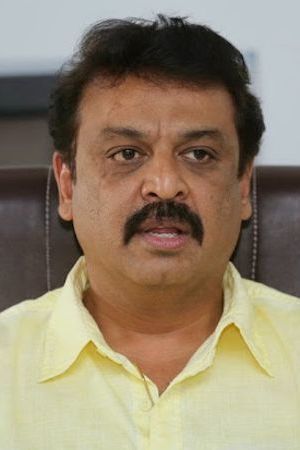 Naresh
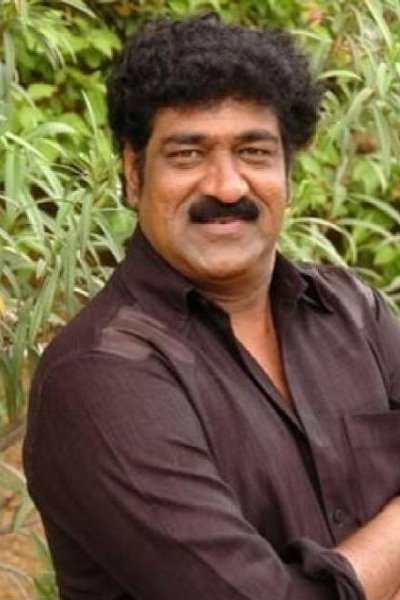 Raghu BabuTanikella Bharani
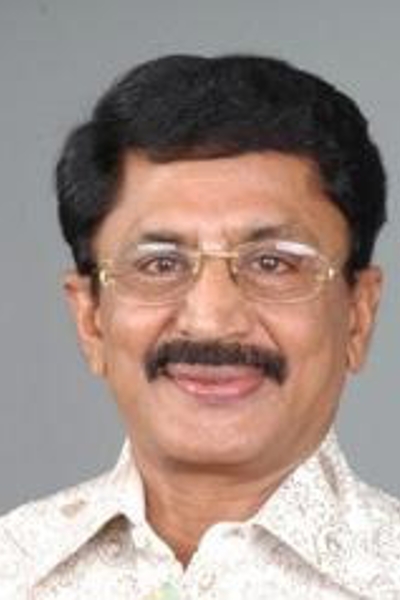 Murali Mohan
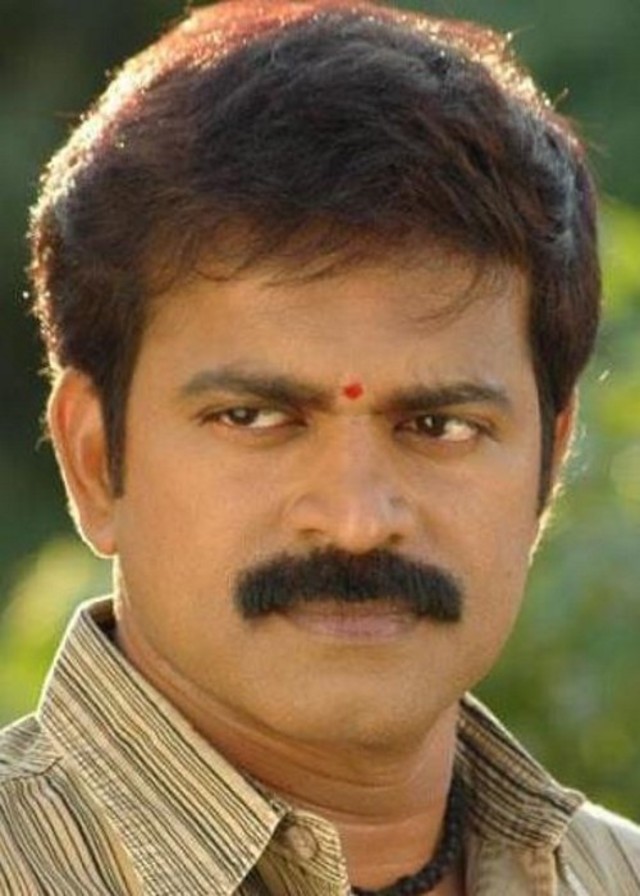 Brahmaji
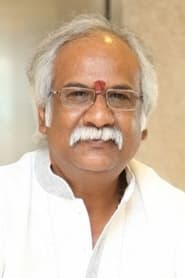 Subhalekha SudhakarSrikanth
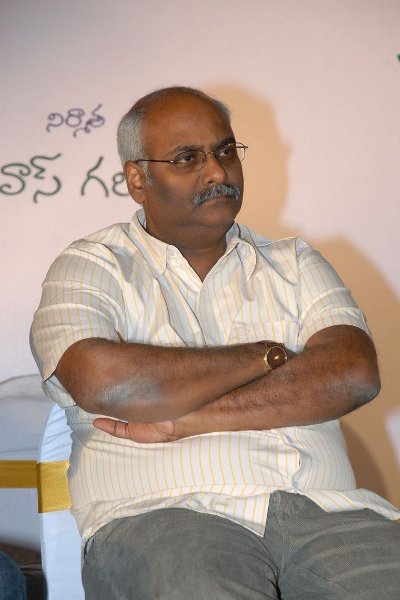 M. M. KeeravaniBrahmanandam