Koti
Koti is an Indian composer, best known for Tamil cinema. Koti began their career in 1993 and has been a prominent figure in the industry for over 33 years. With over 60 credits to their name, Koti remains one of the most prolific and celebrated talents in the industry. Spanning 30+ years, Koti's career remains one of the longest and most celebrated in Tamil cinema.
- Born
- Age
- 68
Biography
Koti (Saluri Koteswara Rao, born May 28, 1958) is a Telugu film music composer and the son of legendary composer Saluri Rajeswara Rao, best known for his prolific solo work in Telugu cinema following his decade-long partnership in the duo Raj–Koti. His most celebrated solo compositions include Alluda Majaka (1995), Peddarayudu (1995), Akkada Ammayi Ikkada Abbayi (1996), and Sultan (1999), and he won the Nandi Award for Best Music Director for Hello Brother (1994). As part of Raj–Koti, he composed music for approximately 180 films and around 3,000 songs, with roughly 2,500 sung by S. P. Balasubrahmanyam and K. S. Chithra, defining mainstream Telugu film music through the 1980s and early 1990s. After the duo split in 1994, Koti continued composing solo across Telugu, Tamil, and Kannada cinema, accumulating a total filmography of over 475 films.
Career Milestones
Formed the music composer duo Raj-Koti and debuted in Telugu cinema
Won Nandi Award for Best Music Director
Duo Raj-Koti composed music for blockbuster Alluda Majaka, one of the biggest hits of Telugu cinema
View film →Separated from Raj-Koti and launched solo career, composing for major films including Peddarayudu
View film →Composed music for over 500 films across Telugu and other South Indian languages throughout career
Defining Moments
Won the Nandi Award for Best Music Director, the highest state film honour in Andhra Pradesh, for his score — a career-validating achievement in his solo phase
This award marked the official recognition of Koti as a top-tier solo composer just as he was transitioning out of the Raj-Koti partnership, giving him prestige and credibility heading into the peak 1995–1999 run of films listed
Composed the comedy anthem 'Atho Athamma Kuthuro' — a raucously popular item number that became one of the most quoted songs of 1990s Telugu cinema, blending slapstick energy with catchy folk-pop arrangement
The song became a cultural touchstone for Chiranjeevi-era Telugu cinema and is still referenced in pop culture; it cemented Koti's reputation as a composer who could craft mass-appeal comedy numbers after his split from the Raj-Koti duo
View film →Delivered a landmark solo debut score for the rural blockbuster, including devotional and melodic tracks like 'Jai Jagadheeswari' that captured rustic sentiment with classical undertones
This was one of Koti's first major solo successes after parting ways with Raj, proving he could sustain a blockbuster album independently; the film was a massive commercial hit starring Mohan Babu
View film →Scored the debut film of Nagendra Babu (Chiranjeevi's brother) with a youthful, peppy album that matched the film's romantic-action tone
The film had industry significance as a star-family debut vehicle and Koti's music was seen as well-suited to launching new talent in the Chiranjeevi family orbit
View film →Composed the sweeping, atmospheric background score and songs for this late-90s action film, continuing his prolific output through the decade
Sultan represented Koti sustaining relevance into the late 1990s, a period when many composers from his generation were being replaced by newer artists; his continued engagement with major productions showed his durability
View film →Koti by the Numbers
If you watched every Koti film back-to-back, you'd be at it for roughly 3 days and 2h. Most-paired with Brahmanandam — 12 films together.
Filmography
See all 60 credits →
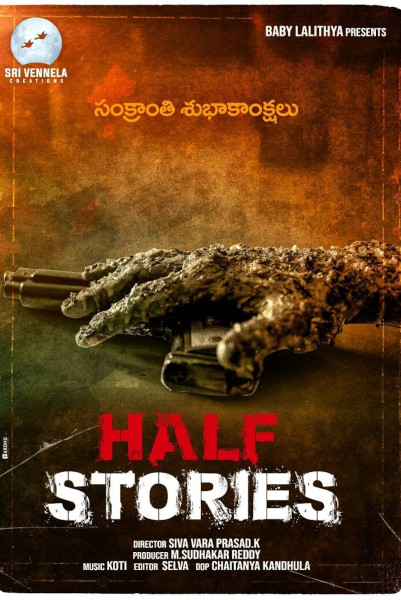
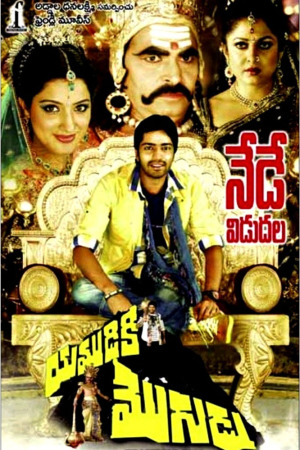

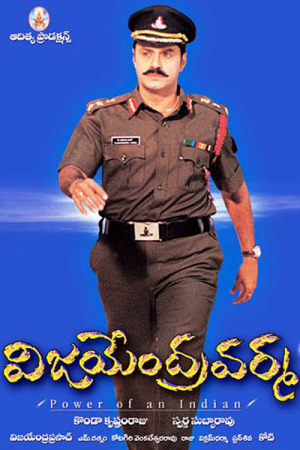
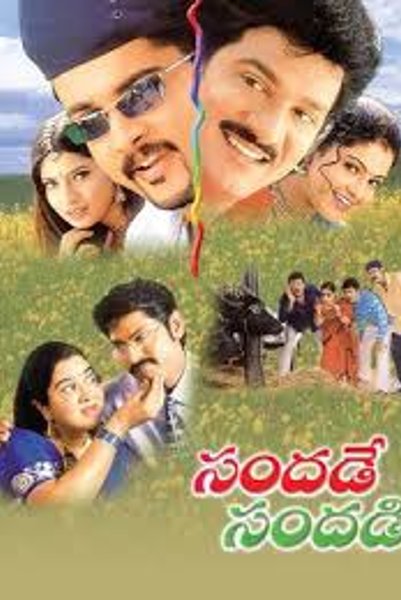
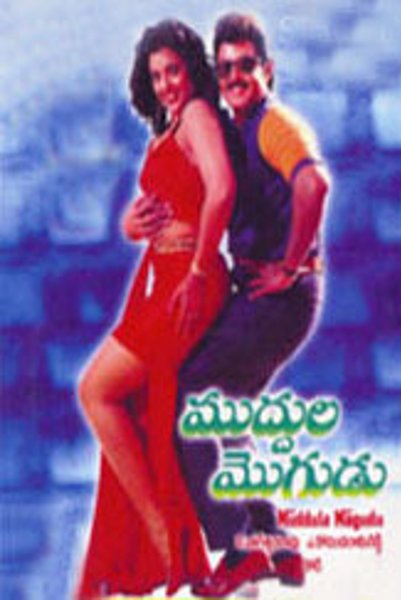
Collaboration Network
The Constellation
Top 10 most-paired collaborators. Bubble size and line thickness reflect how many films they share with Koti.
Career Analytics
Genre Breakdown
Language Distribution
Films by Decade
Top Co-Actors
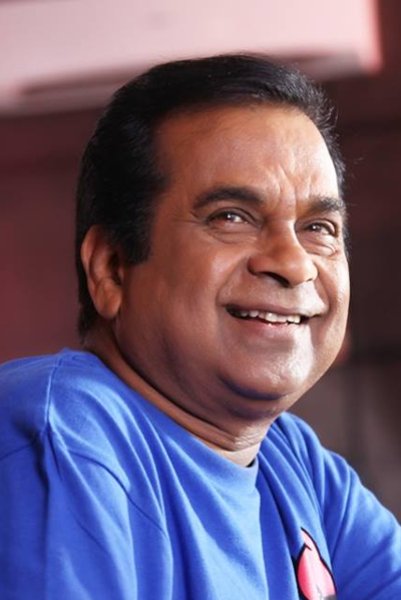
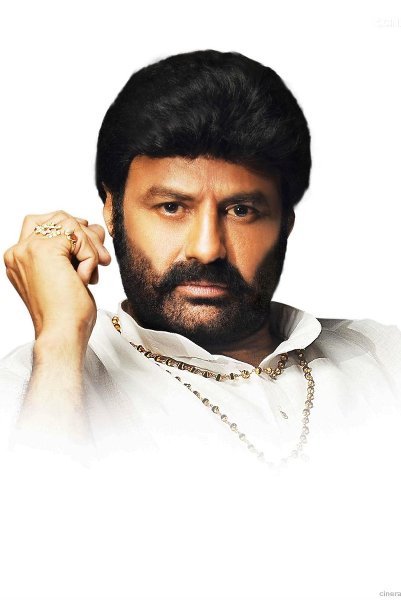
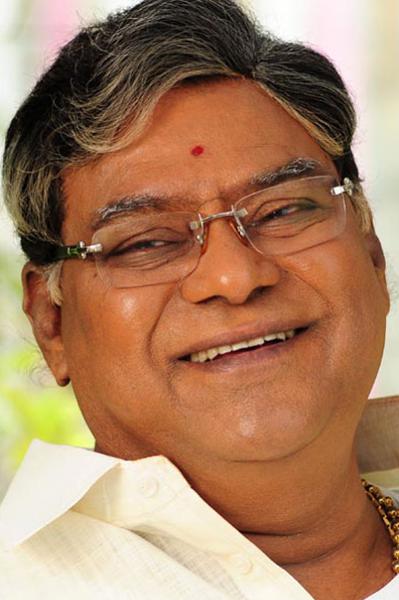
See all →Koti has worked most frequently with E. V. V. Satyanarayana (4 films), Sarath (3 films), Muthyala Subbaiah (3 films), Ravi Raja Pinisetty (3 films), and Sharath (2 films).



Legacy & Influence
Koti is a supporting actor in Telugu cinema whose career spans several decades, with notable activity in the late 1990s and a recent return in the 2020s. His early appearance in the 1999 film 'Pilla Nachindi' placed him during a vibrant period in Telugu cinema, though his specific role remains undocumented. After a significant gap, his return in the 2022 film 'Sehari' as a supporting actor demonstrates a persistence and adaptability within the industry, contributing to the character actor landscape that provides depth to ensemble casts. His filmography, though limited in publicly available records, suggests a career built on steady, reliable performances in secondary roles rather than lead parts. In Indian cinema, actors like Koti form an essential backbone, often portraying relatable figures that ground narratives and support the central plotlines. Their work, while seldom celebrated with major awards or widespread fame, is crucial for the texture and authenticity of regional filmmaking. Koti's trajectory—from the late 90s to a contemporary comeback—reflects the opportunities and challenges faced by character artists in a highly competitive industry. His contribution lies in this sustained presence, adding to the diverse tapestry of Telugu cinema across different eras without seeking the limelight. He represents the many professionals whose collective work enables the success of larger productions, thereby influencing the industry through consistency and dedication to the craft of supporting roles.