Uyarndhavargal(1977)
Uyarndhavargal is a 1977 Indian Tamil-language drama film directed by T. N. Balu. It stars Kamal Haasan and Sujatha in lead roles. The story follows a deaf-mute couple, Aarumugam and Aarthi, as they navigate love, marriage, and parenthood in a society that marginalizes them. The film is a remake of the 1972 Hindi film Koshish, which was inspired by the 1961 Japanese film Happiness of Us Alone. It was produced under the Raasleela Pictures banner and launched at AVM Recording Studios. The film was praised by critics for avoiding typical commercial elements like fight sequences and duet songs for the lead couple. It ran for 102 days at a theatre in Sri Lanka. The music was composed by Shankar–Ganesh with lyrics by Kannadasan.
Quick Facts
- Streaming on
- YouTube
- Theatrical Release
- 31 December 1977
- Director
- T. N. Balu
- Language
- Tamil
- Runtime
- 2h 16m
- Rating
- 7.5/10
Storyline
A deaf-mute man named Aarumugam falls in love with Aarthi, who is also deaf-mute. They marry against society's wishes. After the tragic death of their first child, they raise a son with hope. But when their son rejects their world, they must choose between their dreams and his freedom.
“Love that needs no sound.”
Film Details
Parental Guide
Where to Watch
Vibe & Tags
Cast & Crew
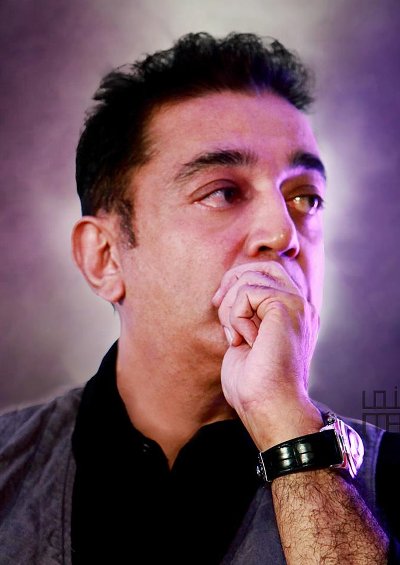

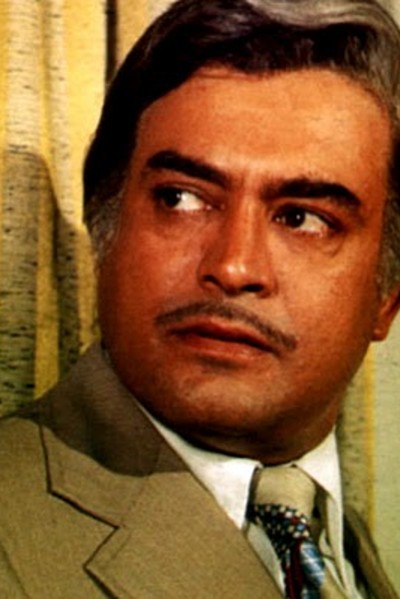


Reunion Meter
Frequent partnerships reunited for Uyarndhavargal
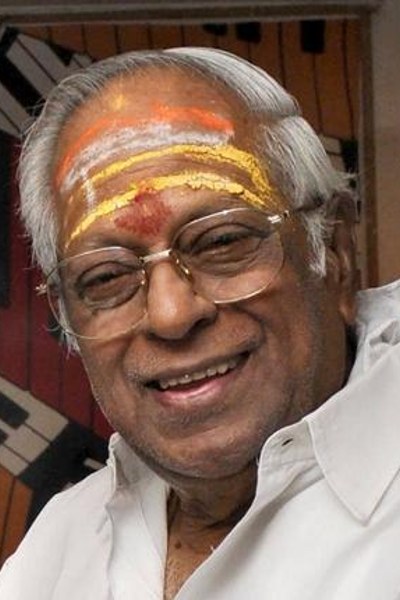
Cast reunions in this film: M. S. Viswanathan & Thengai Srinivasan (57 films together), M. S. Viswanathan & Sujatha (38 films together), Kamal Haasan & M. S. Viswanathan (28 films together), Kamal Haasan & Thengai Srinivasan (23 films together), M. S. Viswanathan & Pandari Bai (20 films together), and Srikanth & M. S. Viswanathan (14 films together).

Trivia
- The film was inspired by a real-life story of a deaf mother and her son's marriage.
- It was one of the few Tamil films of its time to cast a hearing-impaired actor in a major role.
- Director T.N. Balu was primarily known as a producer before making this film.
- The movie's release coincided with a growing social awareness about disability rights in India.
- It avoided typical musical dance numbers, focusing more on dramatic silence and sign language.
- The film was not a major commercial hit but received praise for its sensitive subject.