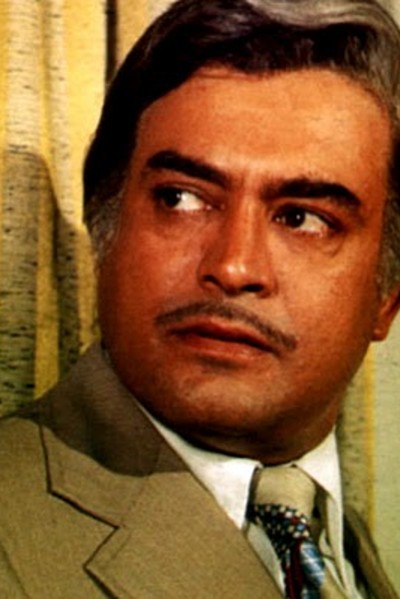
Sanjeev Kumar
Sanjeev Kumar is an Indian actor, best known for Tamil cinema. Sanjeev Kumar began their career in 1977 and has been a prominent figure in the industry for over 49 years. With over 60 credits to their name, Sanjeev Kumar remains one of the most prolific and celebrated talents in the industry.
- Born
- Age
- 88
Biography
Sanjeev Kumar was a noted Indian film actor. He won several major awards including two National Film Awards for Best Actor for his performances in the movies Dastak (1971) and Koshish (1973). He acted in genres ranging from romantic drama to thrillers. Unlike his peers, Sanjeev Kumar did not mind playing roles that were non-glamorous, such as characters way beyond his age. Movies like Sholay and Trishul exemplify his talents. He is well remembered for his versatility and genuine portrayal of his characters.
Career Milestones
Film debut
View film →Highest rated: Angoor (7.8)
View film →Iconic Roles
Angoor
Played a dual role of identical twins, Ashok and Bahadur, in this classic comedy of errors, based on Shakespeare's 'The Comedy of Errors'.
Sholay
Portrayed the retired police officer seeking vengeance for the murder of his family, a role that became iconic in Indian cinema.
Koshish
Played a deaf and mute man, delivering a critically acclaimed performance that earned him a National Film Award.
Defining Moments
National Film Award for 'Dastak'
Won his first National Film Award for Best Actor for his performance in the social drama 'Dastak', establishing him as a serious actor.
National Film Award for 'Koshish'
Won his second National Film Award for Best Actor for his portrayal of a deaf and mute man in 'Koshish', showcasing his exceptional versatility.
Role in 'Sholay'
His portrayal of Thakur Baldev Singh in the blockbuster 'Sholay' became one of the most memorable characters in Indian film history.
Lead in 'Angoor'
Delivered a masterful comic performance in the lead role(s) of 'Angoor', which is considered one of the finest comedies in Hindi cinema.
Sanjeev Kumar by the Numbers
If you watched every Sanjeev Kumar film back-to-back, you'd be at it for roughly 4 days and 16h. Most-paired with Shatrughan Sinha — 10 films together.
Filmography
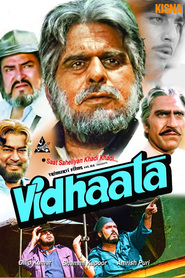
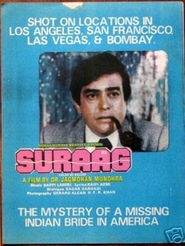
See all 60 credits →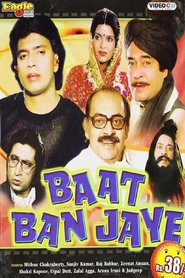
Collaboration Network
The Constellation
Top 10 most-paired collaborators. Bubble size and line thickness reflect how many films they share with Sanjeev Kumar.
Career Analytics
Language Distribution
Films by Decade
Top Co-Actors
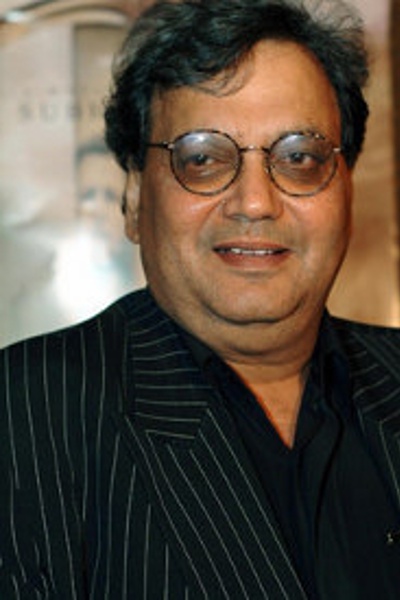
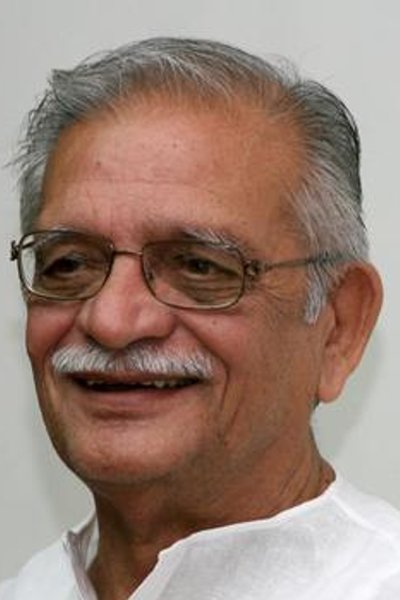
See all →Sanjeev Kumar has worked most frequently with Subhash Ghai (2 films), Gulzar (2 films), K. Bapaiah (2 films), Raj Khosla (2 films), and Shatrughan Sinha (10 films).



Did You Know?
Sanjeev Kumar was born as Harihar Jethalal Jariwala in Surat, Gujarat.
He was known for playing older characters with conviction, notably a 60-year-old man in the film 'Sholay' (1975) when he was only 37.
He was a two-time recipient of the National Film Award for Best Actor, for 'Dastak' (1970) and 'Koshish' (1972).
He never married, though he had a long-term relationship with actress Sulakshana Pandit.
He suffered from a hereditary heart condition and died of a heart attack on November 6, 1985, at the age of 47.
Signature Dialogues
Kitne aadmi the?
Thakur Baldev Singh·Sholay
Yeh haath humko de de Thakur.
Thakur Baldev Singh·Sholay
Main tumhara khoon pee jaaoonga!
Gabbar Singh·Sholay
Legacy & Influence
Sanjeev Kumar, born Harihar Jethalal Jariwala, remains one of Indian cinema's most revered and versatile character actors. His career, spanning from the early 1960s until his untimely death in 1985, defied the conventional leading-man archetype of his era. Kumar built his legacy not on romantic heroics, but on profound, understated performances that showcased exceptional emotional range and technical mastery. He excelled in portraying complex, often ordinary men, bringing a rare authenticity and depth to his roles. His National Film Award-winning performances in 'Dastak' (1971) and 'Koshish' (1973) are landmark achievements; the latter, where he played a deaf and mute man, is particularly celebrated for its sensitivity and lack of melodrama. Kumar was a director's actor, a cornerstone of the parallel cinema movement, collaborating extensively with masters like Gulzar in films such as 'Aandhi', 'Mausam', and 'Namkeen', while also delivering iconic performances in commercial entertainers and comedies like 'Angoor' and 'Seeta Aur Geeta'. His willingness to play older roles, most famously the patriarch Thakur Baldev Singh in 'Sholay' while in his thirties, demonstrated a complete lack of vanity and a deep commitment to the craft. This versatility allowed him to bridge the gap between art-house and mainstream cinema with unparalleled ease. His untimely death at 47 left a void, but his filmography endures as a masterclass in acting. He influenced generations of actors who followed, proving that stardom could be built on the strength of performance alone, paving the way for future character actors to claim leading status. His work is studied for its naturalism, meticulous preparation, and the ability to convey volumes through subtlety, securing his place as a timeless and indispensable pillar of Indian cinematic history.