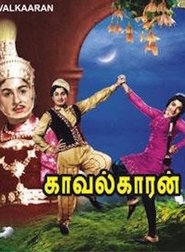
Kaavalkaaran(1967)
Kaavalkaaran is a 1967 Indian Tamil-language spy action film directed by P. Neelakantan and produced by R. M. Veerappan. The film stars M. G. Ramachandran and Jayalalithaa in lead roles. It follows Mani, a driver who secretly protects a wealthy family while uncovering hidden crimes. The film blends romance, mystery, and action. It won the Tamil Nadu State Film Award for Best Film and was a major commercial success. Kaavalkaaran was released on 7 September 1967.
Kaavalkaaran (1967) OTT release date is not officially announced yet — GudVibe tracks its streaming availability daily.
Where to watch:Quick Facts
- Theatrical Release
- 7 September 1967
- Director
- P. Neelakantan
- Language
- Tamil
- Runtime
- 2h 57m
- Rating
- 7.5/10
Storyline
Mani works as a driver for a billionaire. He falls in love with the billionaire's daughter and marries her. But Mani hides a secret mission to protect his brother and expose the family's hidden dangers. His past and true identity threaten everything.
“The driver who was more than a man”
Film Details
Parental Guide
Vibe & Tags
Cast & Crew
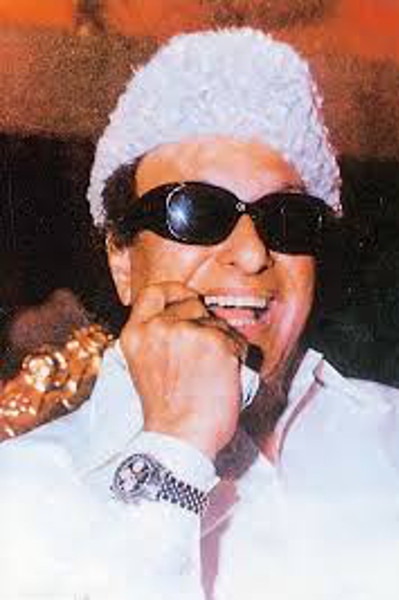
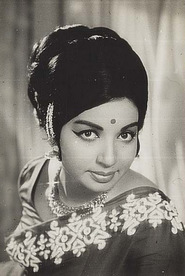
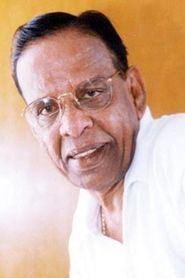
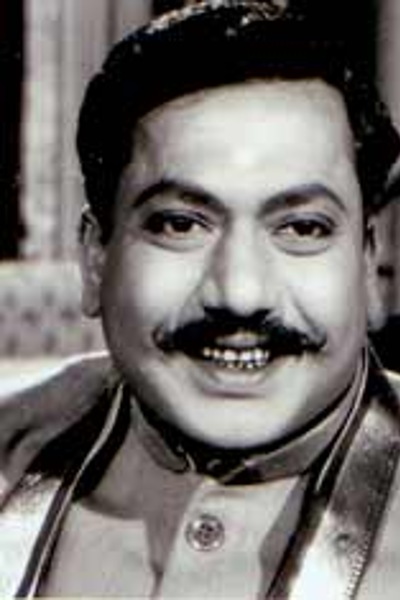
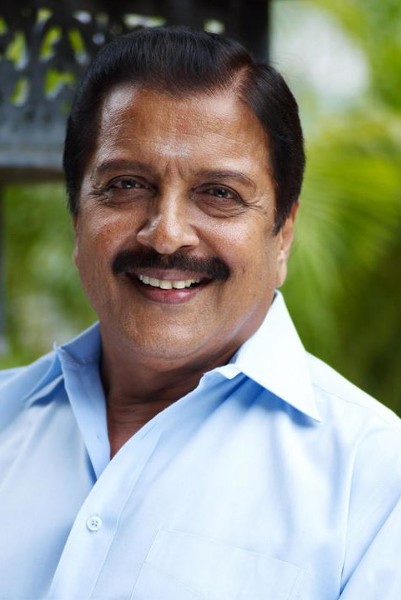
Reunion Meter
Frequent partnerships reunited for Kaavalkaaran
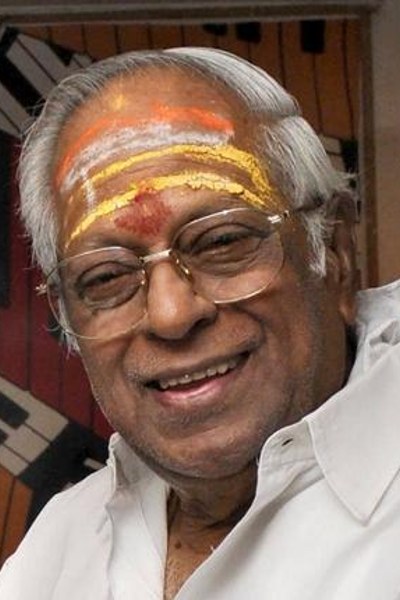
Cast reunions in this film: Nagesh & M. S. Viswanathan (108 films together), M. N. Nambiar & M. S. Viswanathan (46 films together), M. S. Viswanathan & Jayalalitha (46 films together), M. S. Viswanathan & V. K. Ramasamy (40 films together), M. N. Nambiar & M. G. Ramachandran (37 films together), and M. S. Viswanathan & M. G. Ramachandran (37 films together).
Trivia
- The film's title 'Kaavalkaaran' translates to 'Guardian' in English, reflecting the driver's protective role.
- It was one of the earliest Tamil films to feature the popular actor M.G. Ramachandran (MGR) in a dual role, playing both the hero and his look-alike.
- The movie was partly shot in the famous Gemini Studios in Chennai, a major production hub of that era.
- A notable song from the film, 'Aayiram Thamarai', was composed by M.S. Viswanathan and became a hit.
- The film's conflict between a driver and a wealthy businessman mirrored common social themes in 1960s Tamil cinema.
- It was released during a period when MGR's films often carried strong political undertones, though this one focused more on family drama.
- The director, P. Neelakantan, was known for his successful collaborations with MGR in several social dramas.