Maati Maangey Khoon(1984)
Maati Maangey Khoon (1984) is a Hindi film directed by Raj Khosla. The film features Om Puri, Reena Roy and Tanuja Samarth. With a rating of 2.9/10 from 1984.
Maati Maangey Khoon is streaming on ShemarooMe and Airtel Xstream Play.
Where to watch:Quick Facts
- Streaming on
- ShemarooMe, Airtel Xstream Play, YouTube
- Theatrical Release
- 31 December 1984
- Director
- Raj Khosla
- Language
- Hindi
- Rating
- 2.9/10
Storyline
Hariya has never known his parents or origins. After a fight, he learns a disturbed woman called Pagli is his mother and that the cruel landlord Balram seized his family's land, causing his father's death. When Pagli dies, Hariya vows to reclaim his land, but Balram transfers it to his nephew Balraj—Hariya's friend—sparking a bitter rivalry, especially after Balraj discovers his beloved Sharda now lives with Hariya.
“A son fights to reclaim his stolen land and lost legacy.”
Film Details
Parental Guide
Where to Watch
Vibe & Tags
Cast & Crew
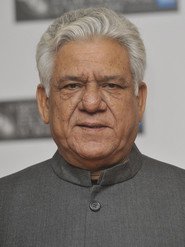
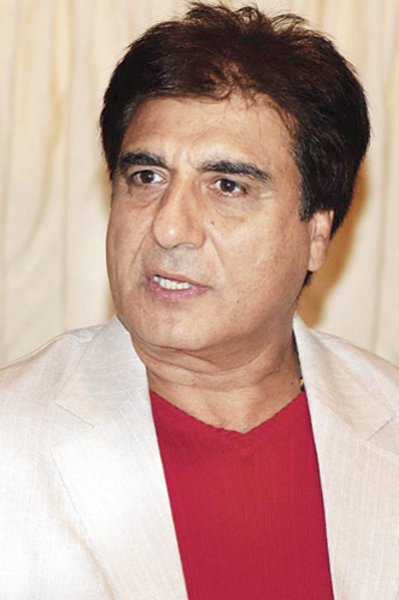

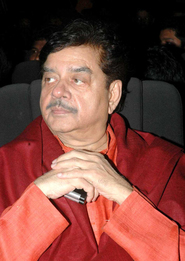

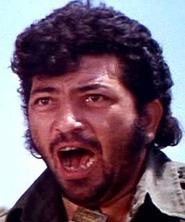
Reunion Meter
Frequent partnerships reunited for Maati Maangey Khoon
Cast reunions in this film: Shatrughan Sinha & Reena Roy (11 films together), Raj Babbar & Amjad Khan (8 films together), Reena Roy & Amjad Khan (8 films together), Rekha & Raj Babbar (7 films together), Om Puri & Raj Babbar (7 films together), and Shatrughan Sinha & Amjad Khan (7 films together).
Trivia
- This was the final film directed by veteran filmmaker Raj Khosla, who passed away the same year it was released.
- The film's title is a Hindi phrase meaning 'The Earth Demands Blood,' reflecting its central theme of land conflict.
- Actor Mithun Chakraborty, known for disco hits, played the serious dramatic lead role of Hariya in this movie.
- Actress Smita Patil, who played Sharda, was pregnant during filming, which affected some shooting schedules.
- The movie was not a major commercial success, overshadowed by bigger action and romance films of the mid-1980s.
- It features a soundtrack by composer Bappi Lahiri, who was better known for upbeat music than dramatic scores like this one.
- The plot's focus on a farmer's struggle for land mirrored real social issues in rural India during that era.