Neenga Nalla Irukkanum(1992)
'Neenga Nalla Irukkanum' is a 1992 Indian Tamil-language social drama film written and directed by Visu. The lead cast includes Nizhalgal Ravi as Manickam and Bhanupriya as Anjalai, with Visu, Chandrasekhar, and Manorama in supporting roles. The story follows a village woman whose alcoholic husband destroys their family despite her sacrifices. The film is notable for featuring then-Chief Minister Jayalalithaa as herself in a brief cameo, marking her final film appearance. It was the first Tamil film sponsored by the Tamil Nadu government and won the National Film Award for Best Film on Other Social Issues. Released on 2 October 1992, the film was a box-office failure despite its critical acclaim.
Neenga Nalla Irukkanum (1992) OTT release date is not officially announced yet — GudVibe tracks its streaming availability daily.
Where to watch:Quick Facts
- Theatrical Release
- 27 November 1992
- Director
- Visu
- Language
- Tamil
- Runtime
- 2h 20m 0
Storyline
A hopeful village woman marries a heavy drinker, believing her love can change him. But his addiction only grows worse, leading to theft, job loss, and tragedy. After one last chance at recovery fails, she must decide how much more she can endure.
“One woman's sacrifice. A village's awakening.”
Film Details
Parental Guide
Vibe & Tags
Cast & Crew
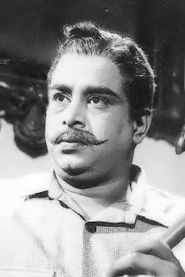

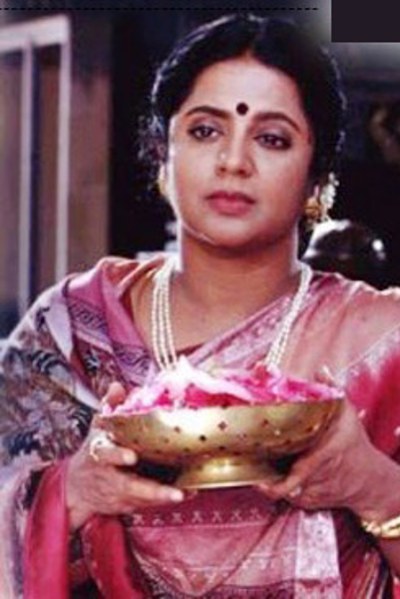
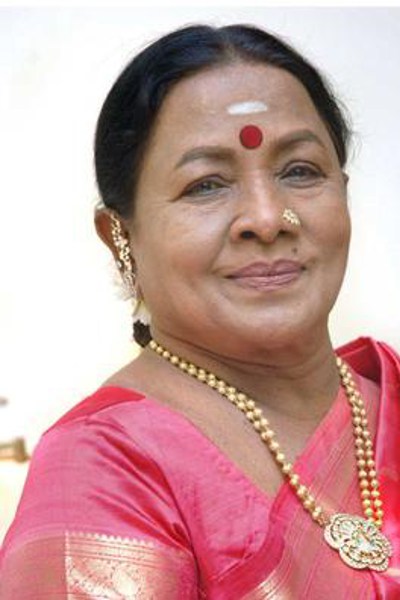
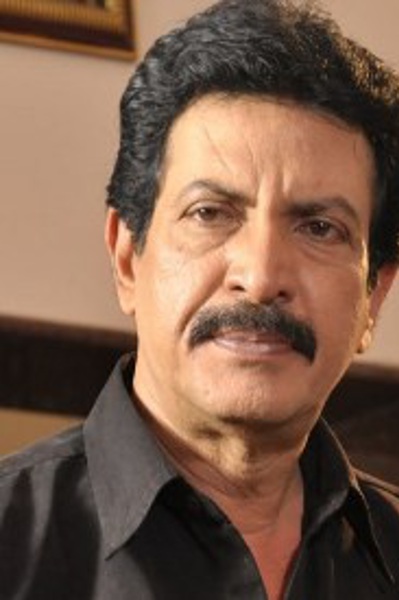
Reunion Meter
Frequent partnerships reunited for Neenga Nalla Irukkanum
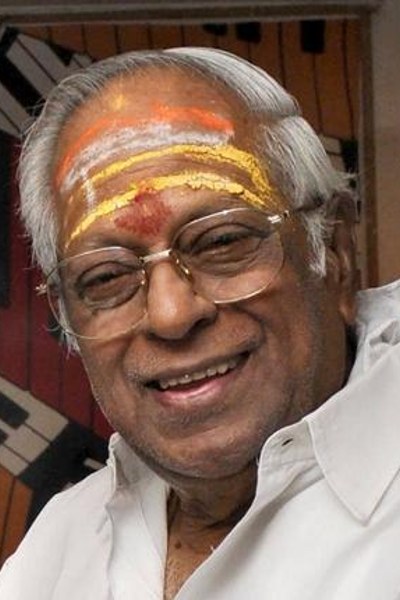
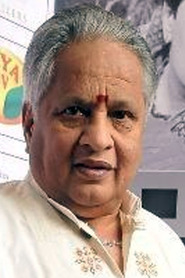
Cast reunions in this film: M. S. Viswanathan & Manorama (63 films together), M. S. Viswanathan & Major Sundarrajan (54 films together), Manorama & Major Sundarrajan (29 films together), M. S. Viswanathan & Srividya (13 films together), Visu & M. S. Viswanathan (12 films together), and Nizhalgal Ravi & Srividya (10 films together).
Trivia
- The film's title 'Neenga Nalla Irukkanum' is a famous dialogue from director Visu's earlier hit movie 'Samsaram Adhu Minsaram' (1986).
- This was one of the few films produced by the noted producer G. Venkateswaran where he did not collaborate with his frequent director K. Balachander.
- Actress Bhanupriya, who played the female lead, was primarily known for Telugu and Kannada films, making this a rare Tamil appearance in that period.
- The movie featured a cameo by the popular comedian Goundamani, though his role was very brief and not part of the main cast listing.
- Director Visu also acted in a supporting role, continuing his common practice of appearing in his own socially-themed films.
- The film's soundtrack was composed by Shankar–Ganesh, a duo who were very active in the late 1980s but less common by the early 1990s.
- It was released during a phase when Visu's films were known for family drama but were facing increasing competition from more action-oriented movies.