K.S. Prakash Rao
K.S. Prakash Rao is an Indian director, best known for Tamil cinema. K.S. Prakash Rao began their career in 1968. With 30 credits to their name, K.S. Prakash Rao remains one of the most prolific and celebrated talents in the industry. Spanning 50+ years, K.S. Prakash Rao's career remains one of the longest and most celebrated in Tamil cinema.
Career Milestones
Film debut
View film →Highest rated: Avan Oru Sarithiram (7.5)
View film →K.S. Prakash Rao by the Numbers
If you watched every K.S. Prakash Rao film back-to-back, you'd be at it for roughly 1 day and 4h. Most-paired with Sivaji Ganesan — 4 films together.
Filmography
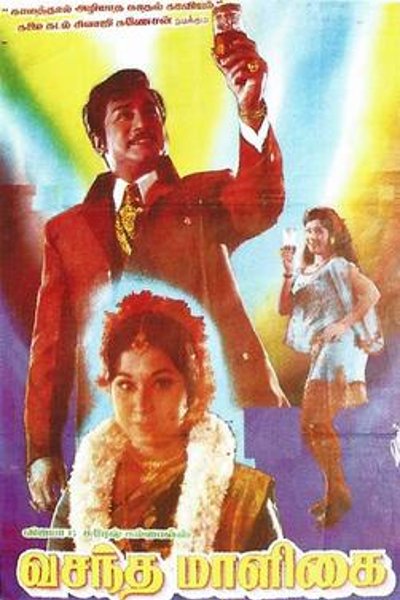
See all 30 credits →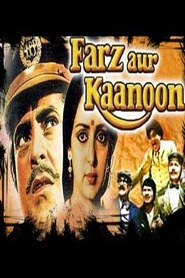
Collaboration Network
The Constellation
Top 5 most-paired collaborators. Bubble size and line thickness reflect how many films they share with K.S. Prakash Rao.
Career Analytics
Language Distribution
Films by Decade
Top Co-Actors
See all →K.S. Prakash Rao has worked most frequently with Sivaji Ganesan (4 films), V. K. Ramasamy (2 films), Major Sundarrajan (2 films), Pandari Bai (2 films), and M. S. Viswanathan (2 films).

Legacy & Influence
K.S. Prakash Rao was a prominent director, producer, and screenwriter in Telugu and Tamil cinema during the mid-20th century, active from the 1950s through the 1970s. He is best remembered for his significant contributions to the social film genre, often crafting narratives that addressed familial conflicts, societal norms, and moral dilemmas, which resonated deeply with contemporary audiences. His career trajectory saw him collaborate with major stars of the era, including N.T. Rama Rao, Akkineni Nageswara Rao, and Savitri, in films that achieved both critical and commercial success. A key figure in the studio system, he was associated with Vijaya Productions, a leading production house of the time. His directorial work, such as the influential film 'Mana Voori Pandavulu' (1958), is noted for its strong storytelling and character-driven plots that reflected the social fabric of Andhra Pradesh. Prakash Rao also played a role in the early careers of several technicians and artists, providing a platform for new talent within the industry. His films often balanced entertainment with thematic substance, helping to shape the conventions of mainstream Telugu cinema during its golden age. While not as frequently cited as some of his contemporaries, his consistent output and focus on relatable domestic and social themes left a lasting imprint on the narrative style of regional Indian cinema.