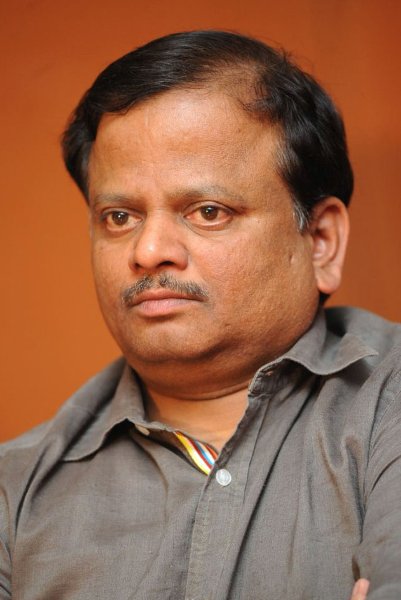
K. V. Anand
K. V. Anand is an Indian cinematographer, best known for Tamil cinema. K. V. Anand began their career in 1996 and has been a prominent figure in the industry for over 30 years. With 30 credits to their name and an average audience rating of 6.1, K. V. Anand remains one of the most prolific and celebrated talents in the industry. Spanning 30+ years, K. V. Anand's career remains one of the longest and most celebrated in Tamil cinema.
- Born
- Age
- 59
Biography
K. V. Anand was an Indian cinematographer and film director who worked primarily in Tamil and Hindi cinema, best known for his work as Director of Photography before transitioning to directing. As a cinematographer, he won the National Film Award for Best Cinematography for his debut film Thenmavin Kombath (1994), and went on to shoot acclaimed films including Mudhalvan (1999), The Legend of Bhagat Singh (2002), Khakee (2004), and Sivaji (2007) for directors like Shankar and Rajkumar Santoshi. He was a founding member of the Indian Society of Cinematographers and was noted for his photojournalism background — his images appeared on over 200 magazine covers before he apprenticed under cinematographer P. C. Sreeram. He later directed seven films including Ayan (2009) and Ko (2011) starring Suriya, before his death from cardiac arrest on April 30, 2021, at age 54.
Career Milestones
Won National Film Award for Best Cinematography for debut as cinematographer
Cinematographer for blockbuster political thriller, establishing him as a top-tier DOP in Tamil cinema
View film →Directorial debut with thriller film
Final and landmark work as cinematographer on the most expensive Tamil film at the time
View film →Directorial breakthrough with major commercial success action film starring Suriya
Defining Moments
The live TV interview confrontation sequence in Mudhalvan, where an ordinary man exposes the Chief Minister on air — K. V. Anand's cinematography used high-contrast lighting and tight close-ups to amplify the tension, making it one of Tamil cinema's most celebrated political drama set-pieces.
Widely cited as a landmark moment in Tamil political cinema. Anand's lens work brought visceral immediacy to a concept then uncommon in the industry, and the film's visual grammar became a reference point for subsequent political thrillers.
View film →The opening battlefield sequences of The Legend of Bhagat Singh, where Anand's desaturated, gritty color palette evoked the raw urgency of the independence struggle — a stark departure from the glossy aesthetics typical of Bollywood period films of that era.
Won widespread critical acclaim and is credited with elevating the film's authenticity. Anand's restrained, documentary-influenced visual approach helped the film win the National Award, and is frequently cited when discussing realist cinematography in Hindi cinema.
View film →The climactic action sequences in Sivaji: The Boss, particularly the stylized visual flair Anand brought to Rajinikanth's scenes — saturated colors, dynamic framing, and theatrical lighting that matched the superstar's larger-than-life persona.
His final film as a cinematographer before turning director. The visual identity he crafted for Sivaji became the template for big-budget Tamil masala entertainers, and is among the most discussed cinematography choices in mainstream Tamil cinema.
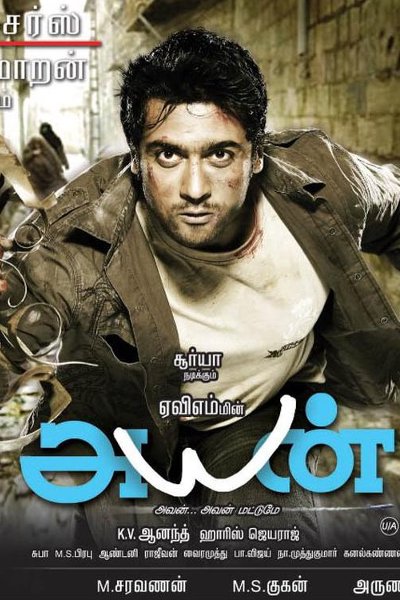
View film →The action and smuggling network sequences in Ayan, particularly the Africa-set drug trade backdrop — Anand's direction brought an international scale to Tamil commercial cinema that audiences had not widely seen before, anchored by visceral action choreography.
Ayan was a massive commercial success and marked Anand's arrival as a mainstream director. The globetrotting scale and confident visual storytelling established him as one of Tamil cinema's premier commercial directors and earned him a Best Director nomination.
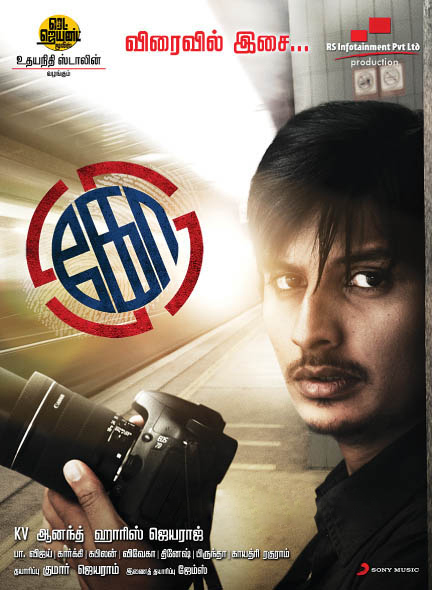
In Ko, the politically charged climax where journalist Ashwin confronts the nexus of politics and crime — Anand directed with a kinetic, news-footage-influenced visual style that gave the thriller an authentic urgency rarely seen in Tamil commercial cinema.
Ko is considered Anand's finest work as a director. The film's realistic depiction of journalism and political violence was groundbreaking, and the taut final act is frequently referenced as a high point of Tamil thriller filmmaking in the 2010s.
K. V. Anand by the Numbers
If you watched every K. V. Anand film back-to-back, you'd be at it for roughly 1 day and 13h. Most-paired with Ajay Devgan — 4 films together.
Filmography
See all 30 credits →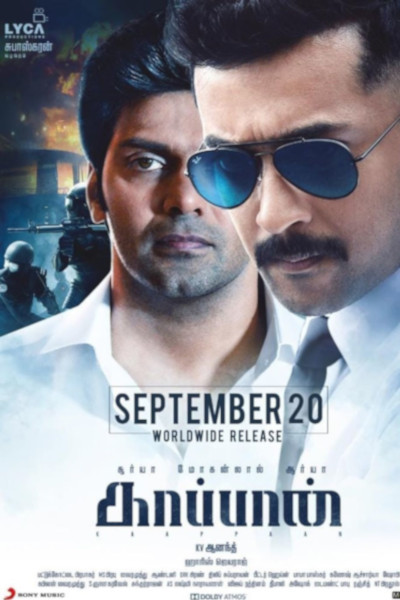
Collaboration Network
The Constellation
Top 10 most-paired collaborators. Bubble size and line thickness reflect how many films they share with K. V. Anand.
Career Analytics
Genre Breakdown
Language Distribution
Films by Decade
Top Co-Actors
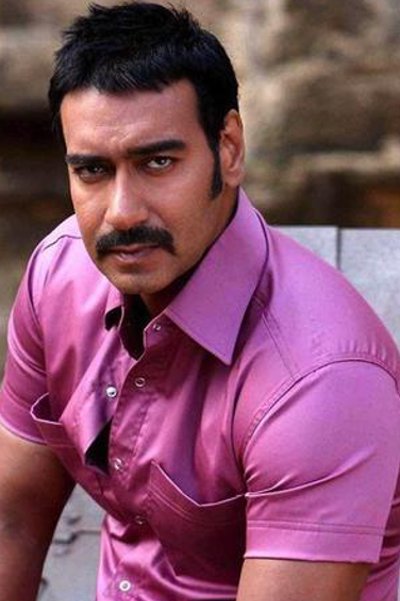
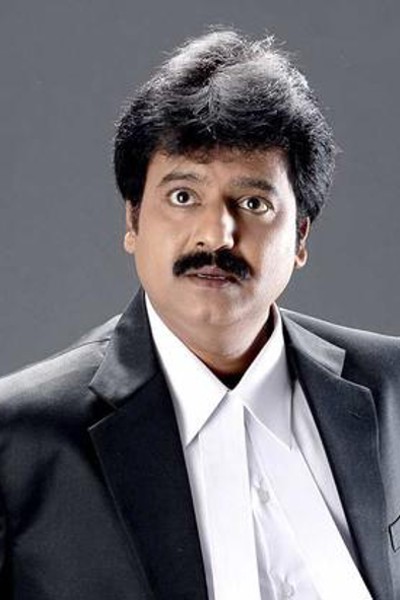
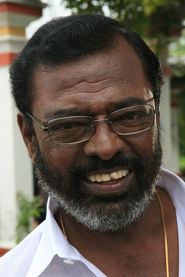
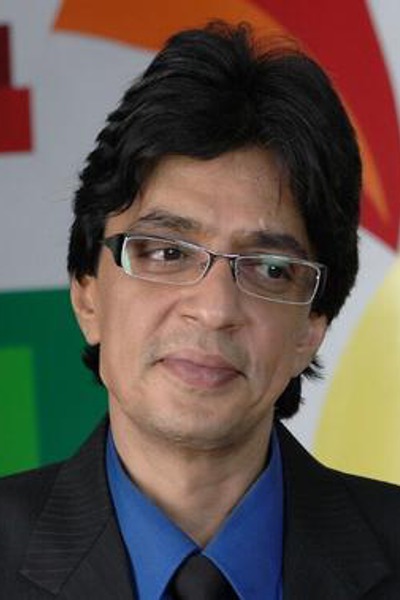
See all →K. V. Anand has worked most frequently with Shankar (3 films), Rajkumar Santoshi (2 films), Ajay Devgan (4 films), Vivek (3 films), and Manivannan (3 films).


Did You Know?
K. V. Anand began his career as a photojournalist for the Indian Express and later worked for the magazine 'India Today'.
He won the National Film Award for Best Cinematography for his work in the Malayalam film 'Thenmavin Kombath' (1994).
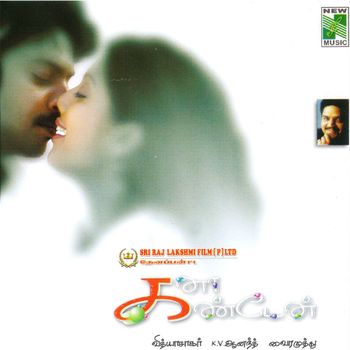
He made his directorial debut with the Tamil film 'Kana Kandaen' (2005).
He frequently collaborated with actor Suriya, directing him in films like 'Ayan' (2009) and 'Kaappaan' (2019).
His film 'Ko' (2011) was noted for its political thriller plot and cinematography.
Photos
See all →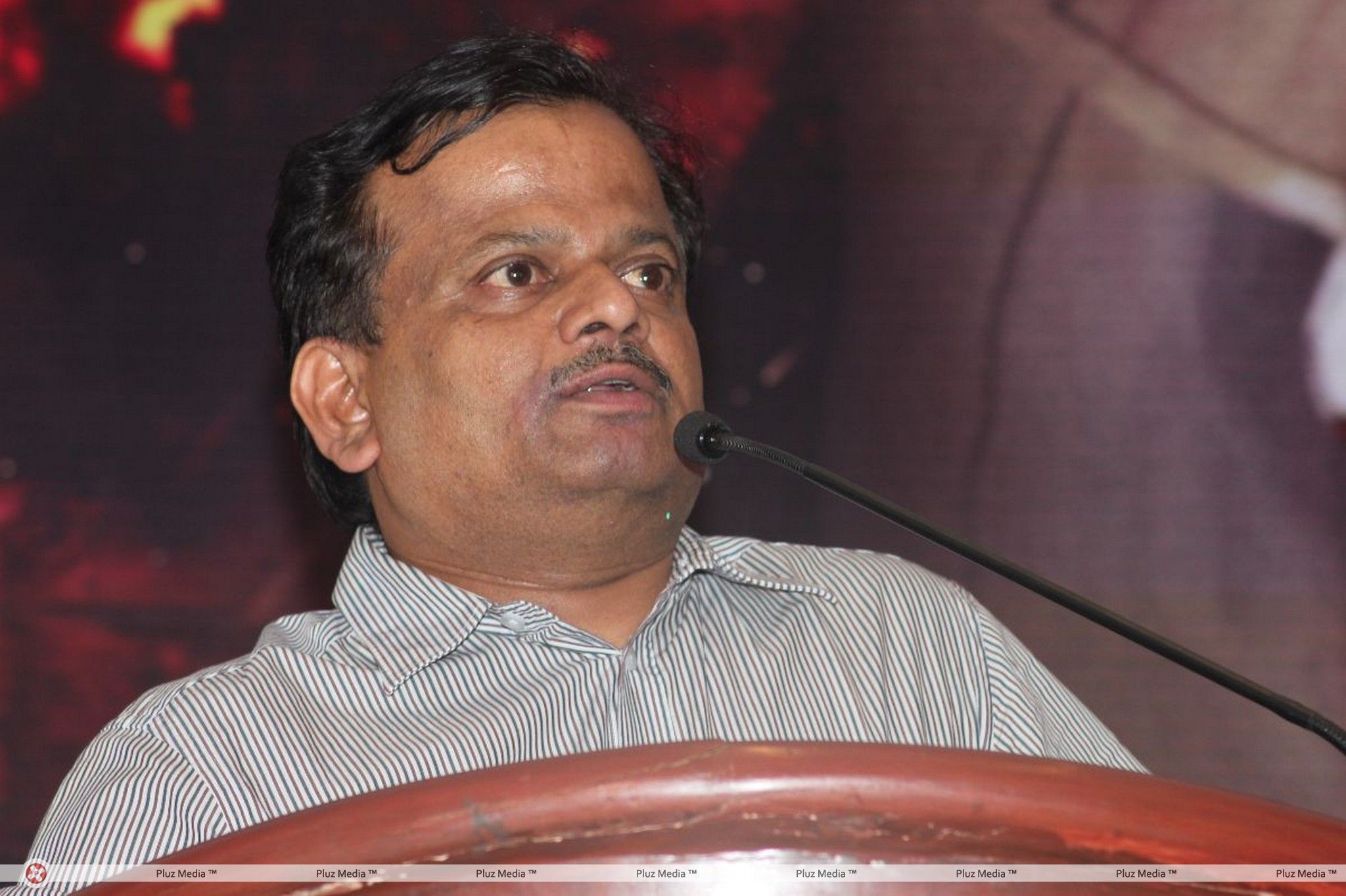
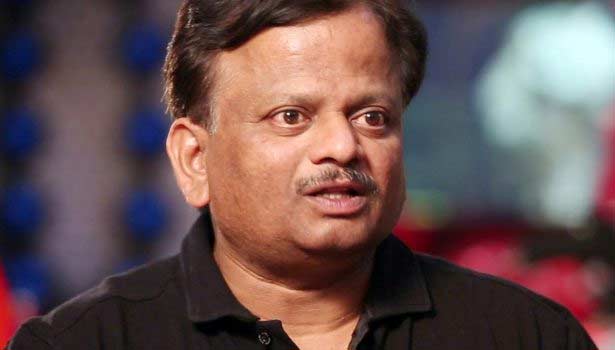
News & Stories
KV Anand denies rumours about Suriya 37
23/2/2018
KV Anand denys the rumour about ‘Ayan 2’
27/7/2017
Hiphop Tamizha replaces Harris Jayaraj for K.V.Anand
10/4/2016
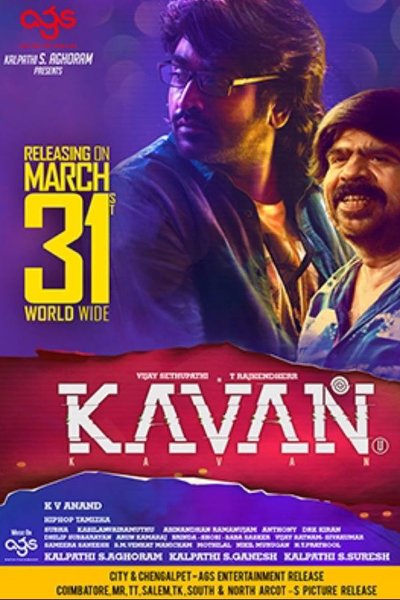
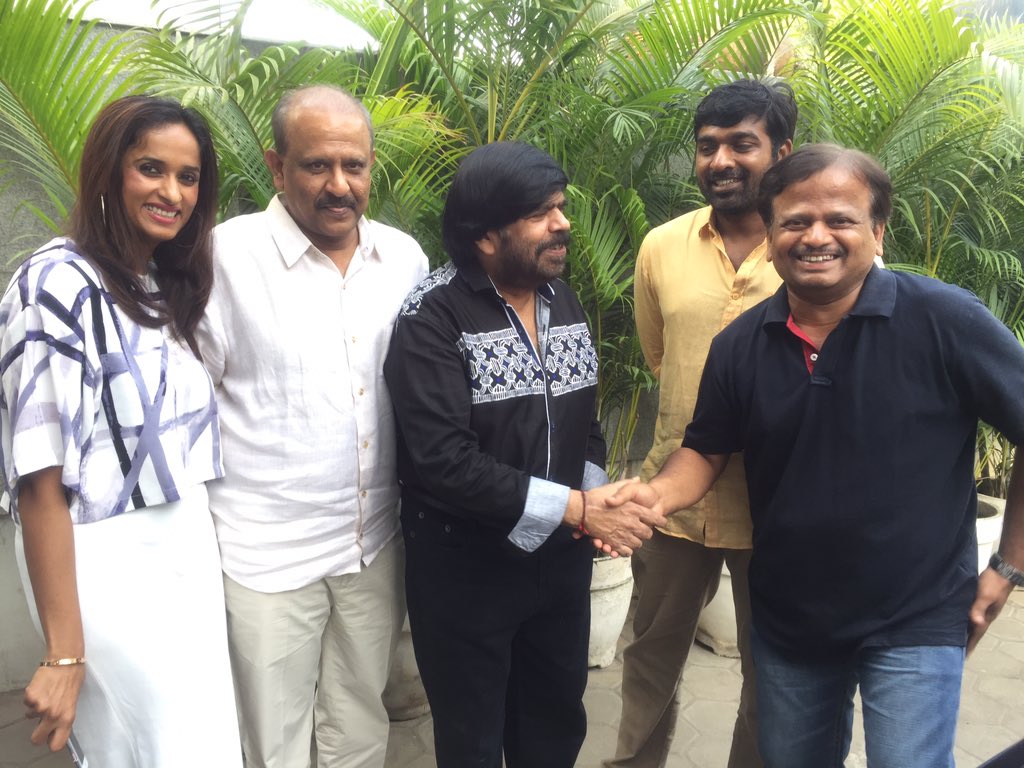
Interesting: K.V.Anand with Vijay Sethupathi & TR
22/3/2016
Legacy & Influence
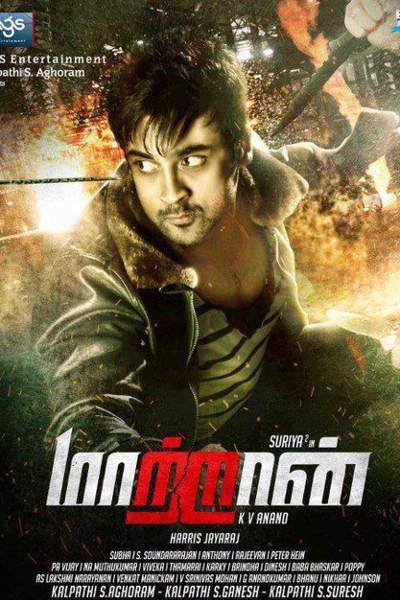
K. V. Anand's legacy in Indian cinema is defined by his pioneering visual aesthetic and successful transition from cinematographer to director. Beginning his career as a photojournalist, he brought a distinctive documentary realism and dynamic framing to his cinematography, which became his signature. His early work as a director of photography in the 1990s and 2000s, notably in films like 'Thenmavin Kombath' (1994) and the Hindi film '12B' (2001), showcased a fresh, vibrant visual style that influenced the look of Tamil and Telugu cinema. His true impact, however, was cemented when he moved into direction. Anand mastered the commercial thriller genre, delivering critically and commercially successful films that were known for their technical polish, engaging screenplays, and social or environmental subtexts. His directorial debut, 'Kana Kandaen' (2005), was a romantic drama, but he found his niche with the investigative thriller 'Ayan' (2009), which set a new benchmark for slick, globe-trotting action narratives in Tamil cinema. He followed this with hits like 'Ko' (2011), which cleverly wove political commentary into a fast-paced plot, and 'Maattrraan' (2012), known for its ambitious visual effects. His films often featured protagonists from media or scientific backgrounds, reflecting his own journalistic roots and a penchant for integrating contemporary issues. As a director, he was celebrated for extracting compelling performances from actors and for maintaining high production values. His untimely passing in 2021 cut short a career that was consistently evolving. Anand's contribution lies in elevating the visual grammar and narrative sophistication of mainstream South Indian cinema, proving that commercially viable films could also be technically exemplary and conceptually engaging. He is remembered as a versatile technician and a storyteller who bridged the gap between artistic sensibility and mass appeal.