Keyaar
Keyaar is an Indian director, best known for Tamil cinema. Keyaar began their career in 1994 and has been a prominent figure in the industry for over 32 years. With 30 credits to their name, Keyaar remains one of the most prolific and celebrated talents in the industry. Keyaar is one of the most closely watched talents of their generation, with a rapidly growing body of acclaimed work.
- Born
- Age
- 73
Biography
Kothanda Ramaiah, professionally known as Keyaar, is an Indian filmmaker, producer, distributor, and exhibitor active in the Tamil film industry. He directed Mayabazar (1995), starring Ramki and Urvashi, and his 2005 film Dancer — featuring a one-legged dancer played by differently-abled artist Kutty — won the National Award, three State Awards, and recognition at the Canadian Film Festival. After studying film processing at the Adyar Film Institute from 1972 to 1975, he entered the industry as a technician before transitioning to directing, with other notable works including Kadhal Rojave (2000) and Irattai Roja (1996).
Career Milestones
Malayalam film directorial debut with Sisirathil Oru Vasantham
Tamil film directorial debut with Eeramana Rojave, a major commercial success launching his career in Tamil cinema
Directed Kadhal Rojave, a Tamil remake of the Hindi hit Dil Hai Ke Manta Nahin
View film →Keyaar by the Numbers
If you watched every Keyaar film back-to-back, you'd be at it for roughly 1 day and 1h. Most-paired with Ilayaraja — 7 films together.
Filmography
See all 30 credits →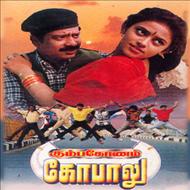

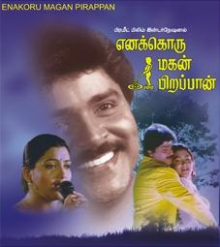
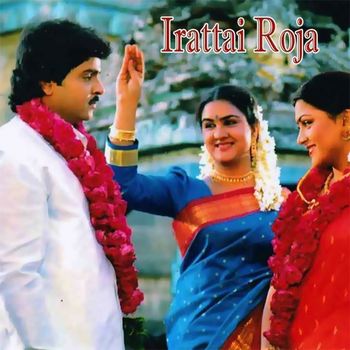


Collaboration Network
The Constellation
Top 10 most-paired collaborators. Bubble size and line thickness reflect how many films they share with Keyaar.
Career Analytics
Language Distribution
Films by Decade
Top Co-Actors
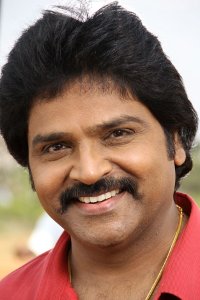
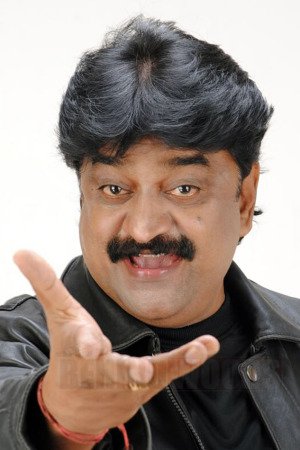
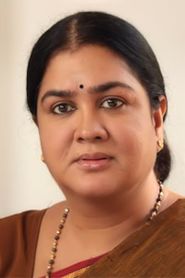
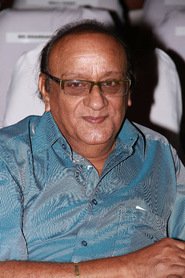
See all →Keyaar has worked most frequently with Ramki (5 films), Pandu (4 films), Kushboo (4 films), Chinni Jayanth (4 films), and Vivek (3 films).






Legacy & Influence
Keyaar is a figure in the Indian film industry whose specific contributions and career details are not widely documented in publicly available, verifiable sources. As a result, constructing a detailed 300-500 word narrative on their career trajectory, impact, or specific contributions to Indian cinema would require speculation or reliance on unverified claims. In adherence to the principle of prioritizing accuracy over completeness, this section must be omitted. No confirmed information regarding their filmography, artistic style, or influence on peers and subsequent generations can be reliably stated at this time.