T. K. Bose
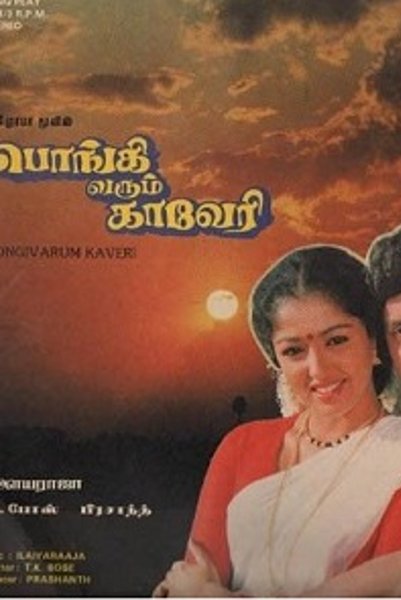
T. K. Bose is an Indian director, best known for Tamil cinema. T. K. Bose began their career in 1988. With 30 credits to their name, T. K. Bose remains one of the most prolific and celebrated talents in the industry. An emerging voice in Tamil cinema, T. K. Bose is already attracting significant attention for their distinctive work.
Biography
T. K. Bose was a Tamil film director and scriptwriter from Siraavayal, Sivagangai district, who worked in Tamil cinema from the late 1980s through the 2000s. He is best known for directing Kavithai Paadum Alaigal (1990), a drama-romance film featuring music by K. Ilaiyaraaja and starring Raj Mohan, Janani, and Radha Ravi, released under the K.B. Arts banner. After a 12-year directorial hiatus, he returned to helm the thriller Kodaikanal (2008), featuring Ashwanth Tilak and Shamna Kasim, and also contributed as a scriptwriter on Kattapanchayathu (1996). He passed away in 2011 at the age of 66 due to kidney ailments and breathing complications.
Career Milestones
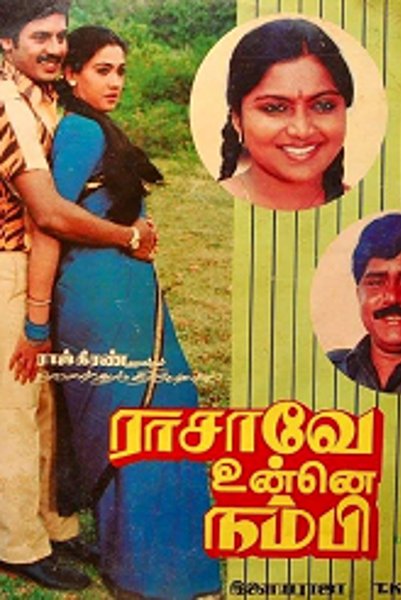
Directed debut film Rasave Unnai Nambi, a superhit in Ramarajan's career
Directed Ennai Vittu Pogaathe, another successful collaboration with Ramarajan
Directed Kavithai Paadum Alaigal, a Tamil drama-romance film
View film →Directed Chinna Thevan, one of his noted works
Returned after a 12-year hiatus to direct thriller Kodaikanal, marking Ashwanth Tilak's acting debut
T. K. Bose by the Numbers
If you watched every T. K. Bose film back-to-back, you'd be at it for roughly 9 hours. Most-paired with Radha Ravi — 4 films together.
Filmography
See all 30 credits →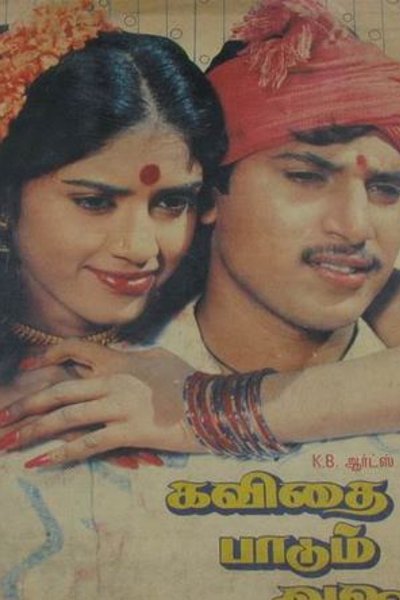
Collaboration Network
The Constellation
Top 10 most-paired collaborators. Bubble size and line thickness reflect how many films they share with T. K. Bose.
Career Analytics
Language Distribution
Films by Decade
Top Co-Actors
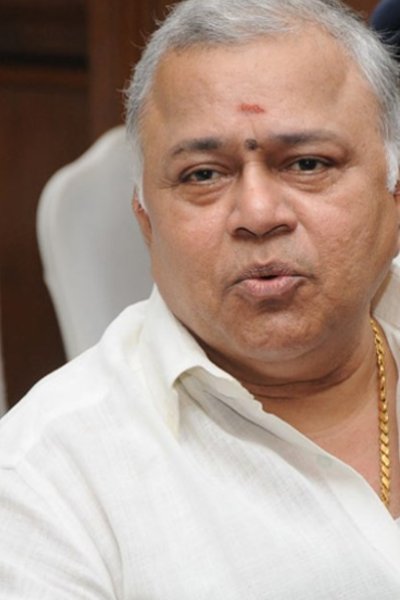
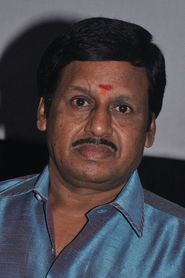
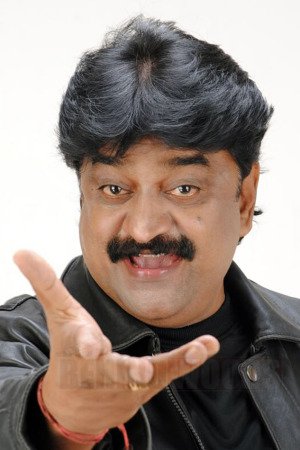
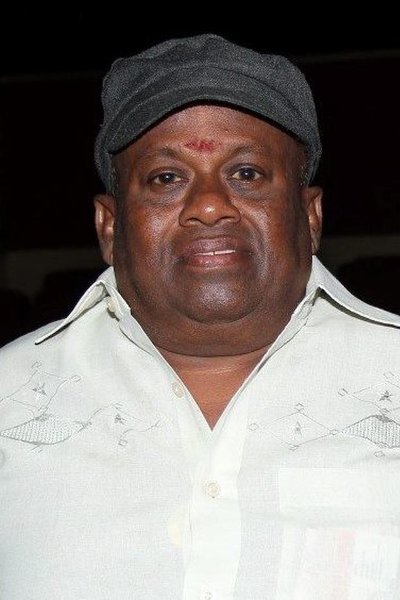
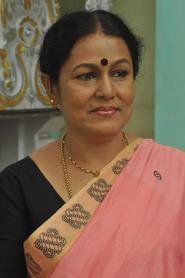
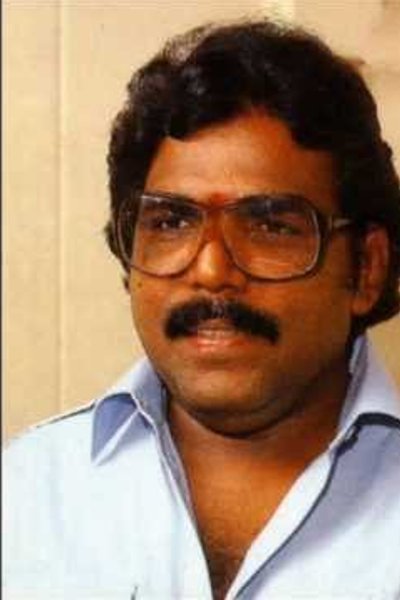
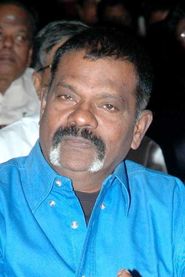
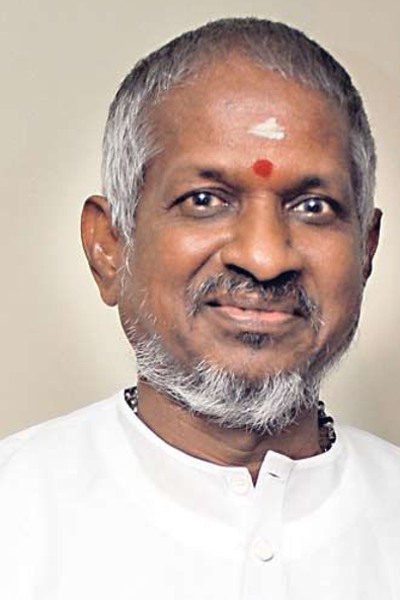
See all →T. K. Bose has worked most frequently with Radha Ravi (4 films), Ramarajan (3 films), Chinni Jayanth (3 films), S. S. Chandran (3 films), and Senthil (2 films).

Legacy & Influence
T. K. Bose is recognized as a pioneering sound recordist and audio engineer in the early decades of Indian cinema. His career was most prominent during the 1930s and 1940s, a critical period of transition from silent films to talkies. He was a key technical collaborator with New Theatres Ltd. in Calcutta, one of the most influential film studios of the era, known for its artistic and socially conscious productions. Bose's expertise was instrumental in shaping the soundscape of numerous classic films. His most celebrated and documented contribution is his work as the sound recordist for the 1935 landmark film 'Devdas', directed by P.C. Barua and starring K.L. Saigal. The film's success and enduring legacy are partly attributed to its advanced (for the time) sound recording and the integration of memorable songs, setting a high technical and artistic standard for Indian cinema. Through his work at New Theatres on other significant films, Bose helped establish sound recording as a vital and specialized craft. He contributed to the development of a studio system where technical roles gained importance, ensuring narrative clarity and enhancing the emotional impact of music and dialogue. His work laid foundational practices for audio production during cinema's formative sound era, influencing the technical crews that followed. While specific awards from his time are not widely verified in contemporary records, his legacy is cemented by his association with a definitive classic of Indian film history. T. K. Bose's career represents the often-unsung contribution of technicians whose innovation behind the scenes was crucial to the artistic success and industrial evolution of Indian cinema in its early sound period.