Kona Venkat
Kona Venkat is an Indian screenplay, best known for Tamil cinema. Kona Venkat began their career in 2003 and has been a prominent figure in the industry for over 23 years. With 30 credits to their name and an average audience rating of 6.1, Kona Venkat remains one of the most prolific and celebrated talents in the industry. Spanning 20+ years, Kona Venkat's career remains one of the longest and most celebrated in Tamil cinema.
- Born
- Age
- 61
Biography
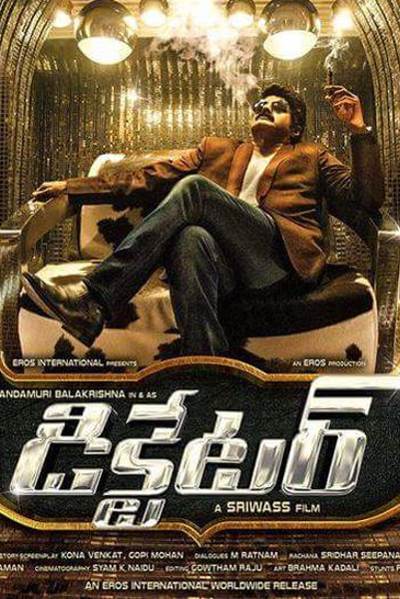
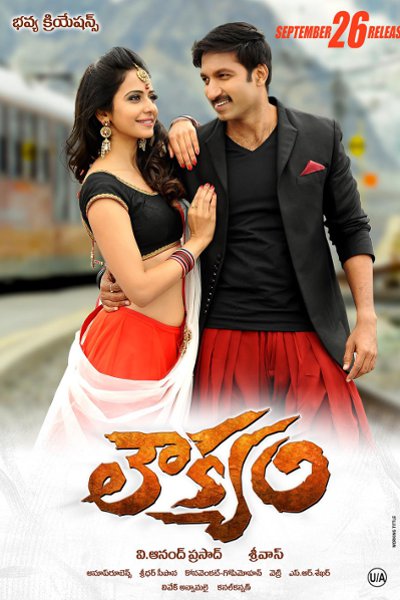
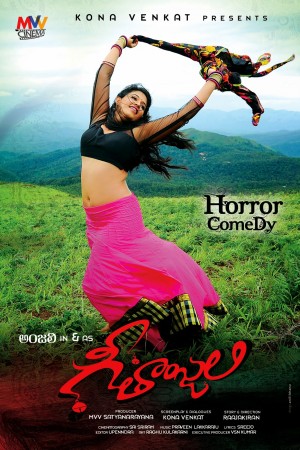
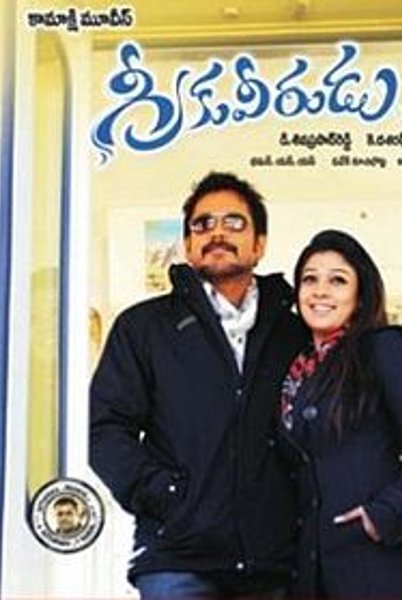
Kona Venkat is a Telugu cinema screenwriter, dialogue writer, and producer born on 19 February 1965 in Bapatla, Andhra Pradesh, who began his career as a journalist before transitioning to film writing in 2003 with Anaganaga O Kurradu. He has penned screenplays and dialogues for over 50 films including box-office hits such as Loukyam (2014), Geethanjali (2014), Dictator (2016), Greeku Veerudu (2013), and Ginna (2022), making him one of the most prolific commercial writers in Telugu cinema. His writing style is characterized by mass-appeal narratives blending action, comedy, and drama, frequently collaborating with directors like Srinu Vaitla on films such as Dookudu and Baadshah. He also founded the production banner Kona Film Corporation (KFC), with Geethanjali (2014) marking his debut as a producer.
Career Milestones
Screenwriting debut
View film →Won Santosham Film Award for Best Writer
Wrote Dookudu, one of the highest-grossing Telugu films with ₹100 crore+ collections
Expanded to Hindi cinema with story contribution
Surpassed 50 films across 20+ years as a screenwriter and dialogue writer in Telugu cinema
Defining Moments
Ram Pothineni's rapid-fire comedy confrontations and snappy one-liners that set the tone for a new generation of Telugu youth entertainers
Ready was a major early hit for Kona Venkat as dialogue writer; the film's irreverent humour style became a template widely imitated in Telugu commercial cinema
Brahmanandam's 'Bheebatsamaina humanity undaali' comedy sequence with the veena background score — a meta-humour gag written by Kona Venkat that became one of the most quoted lines in Telugu cinema
Dookudu became one of the highest-grossing Telugu films of its era; Kona Venkat's sharp, layered comedy dialogues were widely credited for its massive box-office success and cultural impact
Climax confrontation where Mahesh Babu's character dismantles the villain's empire through a mix of wit and controlled aggression — dialogues written to be both punchy and emotionally resonant
Established Kona Venkat's reputation for 'mass' Telugu dialogue writing — the style of blending heroism with humour became his defining trademark
Comic horror reveal sequences — writing ghost comedy that balances scares with slapstick, particularly the scenes involving Srinivas Avasarala reacting to supernatural events
Kona Venkat produced and co-wrote this film; its box-office success spawned a franchise and proved his ability to craft genre-blending narratives beyond mainstream masala
View film →Interval block scene where Balakrishna's character delivers a thunderous political monologue outlining his ideology against corrupt power structures
Showcased Kona Venkat's range in writing patriotic/political mass dialogues for Balakrishna's star persona; the scene was widely circulated among fan communities
View film →Kona Venkat by the Numbers
If you watched every Kona Venkat film back-to-back, you'd be at it for roughly 1 day and 4h. Most-paired with Brahmanandam — 3 films together.
Filmography
See all 30 credits →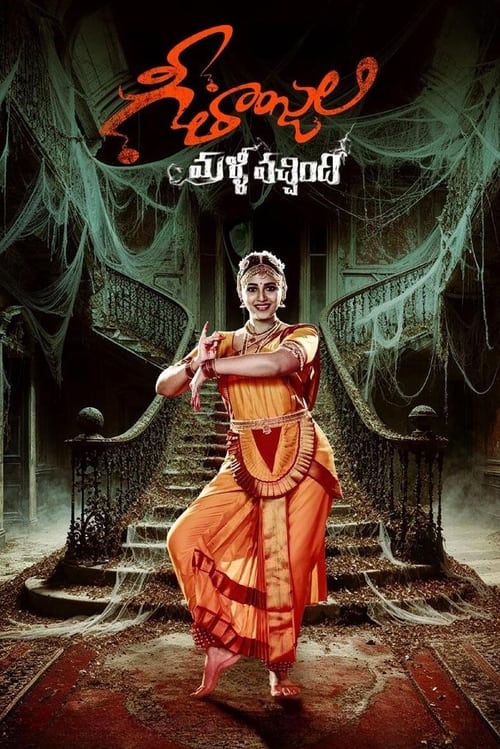
Collaboration Network
The Constellation
Top 10 most-paired collaborators. Bubble size and line thickness reflect how many films they share with Kona Venkat.
Career Analytics
Genre Breakdown
Language Distribution
Films by Decade
Top Co-Actors
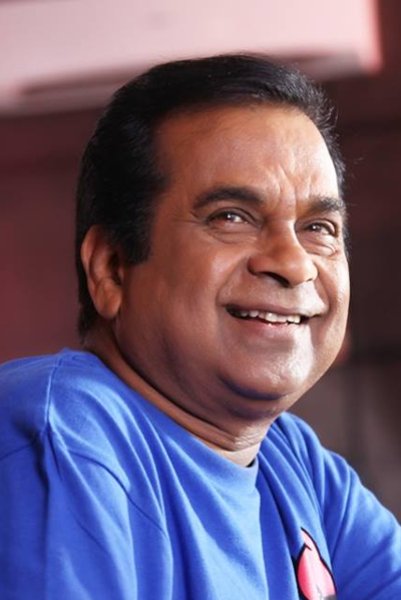
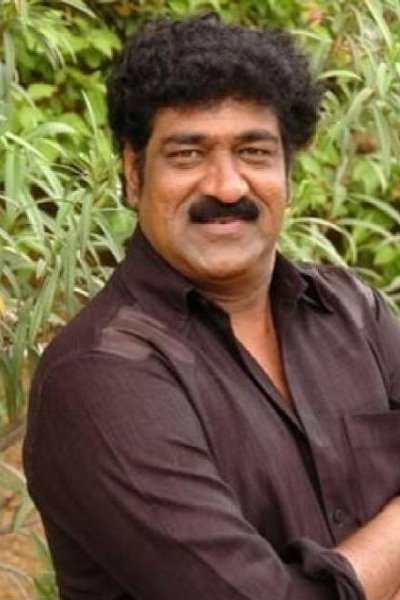
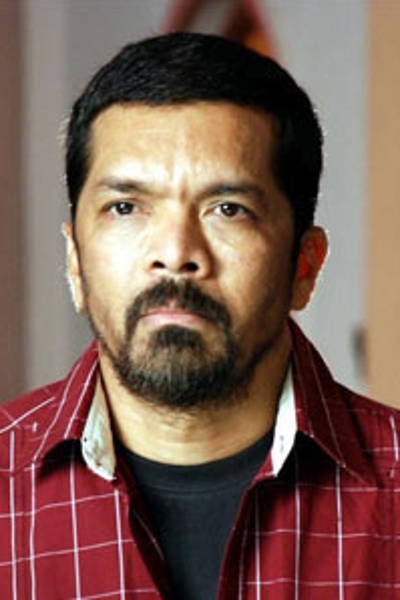
See all →Kona Venkat has worked most frequently with Sriwass (2 films), Brahmanandam (3 films), Raghu Babu (3 films), Posani Krishna Murali (3 films), and Satyam Rajesh (3 films).



Did You Know?
Kona Venkat is a prominent screenwriter and dialogue writer in Telugu cinema.
He is known for his witty and humorous dialogues in many successful Telugu films.
He has frequently collaborated with director V.V. Vinayak on several projects.
He is also a successful film producer under his banner Kona Film Corporation.
He co-wrote the blockbuster film 'Dookudu' (2011) starring Mahesh Babu.
Legacy & Influence
Kona Venkat is a prominent figure in Telugu cinema, primarily recognized for his significant contributions as a screenwriter and dialogue writer. His career trajectory began in the early 2000s, and he steadily rose to prominence by the late 2000s and 2010s, becoming one of the most sought-after writers in the industry. Venkat is celebrated for his sharp, witty, and often mass-appealing dialogue writing, which became a defining element in numerous commercially successful films. He played a pivotal role in shaping the narrative style of Telugu commercial cinema during this period, particularly in the action-comedy and family drama genres. His collaborations with directors like V.V. Vinayak and actors such as Ravi Teja and Allu Arjun resulted in major box-office hits. Films like 'Ready' (2008), 'Dubai Seenu' (2007), 'Kick' (2009), and 'Julayi' (2012) are notable for their engaging screenplays and memorable dialogues, largely credited to Venkat. His writing often balanced humor, emotion, and high-octane drama, effectively catering to a wide audience. Beyond individual films, his work influenced the pacing and dialogue-driven comedy in mainstream Telugu productions. He also co-founded the production company 'Mass Movie Makers,' further extending his involvement in filmmaking. While not without critics, his commercially viable writing style undeniably left a mark on the industry's approach to scriptwriting for mass entertainers. His career demonstrates the crucial role of the writer in Telugu cinema's commercial ecosystem, proving that strong scripts and dialogues are foundational to a film's success. Although he has been less active in writing in recent years, his body of work from the 2000s and 2010s remains a key reference point for understanding the evolution of mainstream Telugu cinema during that era.