David Dhawan
David Dhawan is an Indian director, best known for Tamil cinema. David Dhawan began their career in 1990 and has been a prominent figure in the industry for over 36 years. With over 60 credits to their name, David Dhawan remains one of the most prolific and celebrated talents in the industry. Spanning 30+ years, David Dhawan's career remains one of the longest and most celebrated in Tamil cinema.
- Born
- Age
- 74
Biography
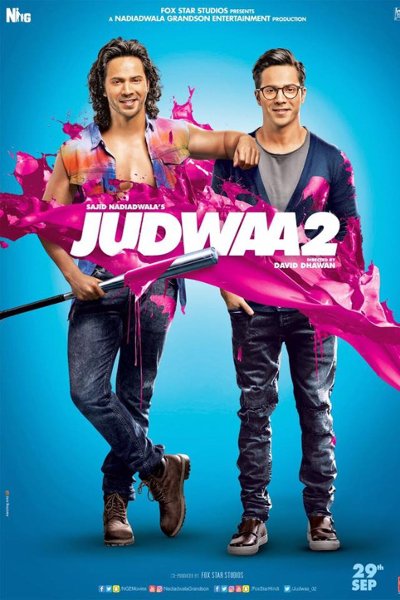
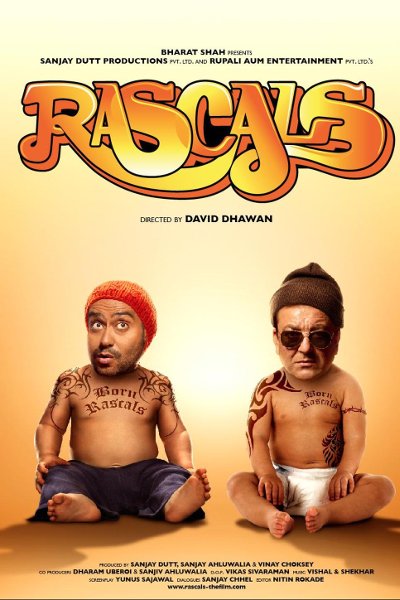
David Dhawan (born Rajinder Dhawan) is a Hindi cinema director known primarily for high-energy slapstick comedy films, having helmed over 45 Bollywood productions across four decades. His biggest commercial successes include Judwaa (1997), Hero No. 1 (1997), Biwi No.1 (1999), and Partner (2007), with the latter setting a record for the highest domestic opening week gross for an Indian film at the time of its release; Biwi No.1 and Aankhen (1993) each earned him Filmfare Award nominations for Best Director. His signature style relies on broad physical comedy, mistaken-identity plots, and frequent collaborations with Govinda, with whom he made over 17 films. He has also worked with his son Varun Dhawan on Main Tera Hero (2014) and Judwaa 2 (2017), extending his comedic brand to a new generation of audiences.
Career Milestones
Directorial debut
First major superhit as director, established reputation in Bollywood
Filmfare Award for Best Director nomination for Aankhen
Blockbuster double-role action comedy, cementing status as top commercial director
View film →Filmfare Award for Best Director nomination; one of the biggest hits of the year
View film →Defining Moments
Salman Khan's twin characters' synchronized comedy sequences — particularly the scene where one twin sneezes and the other reacts physically across town
Defined the double-role comedy template in 90s Bollywood; the physical comedy synchronization became a cult trope referenced in pop culture for decades, later remade as Judwaa 2 (2017)
View film →Govinda's cross-dressing disguise as a servant to win over the girl's family, leading to escalating slapstick chaos
Crystallized the Govinda-Dhawan formula of gender-bending comedy with high energy; the film was one of the biggest hits of 1997 and exemplifies David Dhawan's mastery of farcical situational comedy
View film →Govinda and Anil Kapoor's contrasting comic styles — the 'bade miyan' vs 'chote miyan' dynamic with repeated role-reversal gags
One of the rare Dhawan films without Govinda as sole lead; successfully blended two distinct comedy styles and became a landmark ensemble comedy of the era
View film →Salman Khan's cheating husband exposed through escalating comic deception, culminating in the wives turning the tables in the finale
Earned Dhawan a Filmfare Best Director nomination; the film's comedic treatment of infidelity with a feminist resolution was both commercially massive and thematically noteworthy for mainstream Hindi cinema
View film →Salman Khan and Govinda's banter-driven buddy comedy sequences where their mismatched personalities clash while pursuing women
Marked David Dhawan's successful pivot to pairing two superstars; the chemistry between Khan and Govinda rekindled Dhawan's commercial dominance after a lean phase, becoming one of 2007's biggest hits
View film →David Dhawan by the Numbers
If you watched every David Dhawan film back-to-back, you'd be at it for roughly 3 days and 21h. Most-paired with Govinda — 16 films together.
Filmography
See all 60 credits →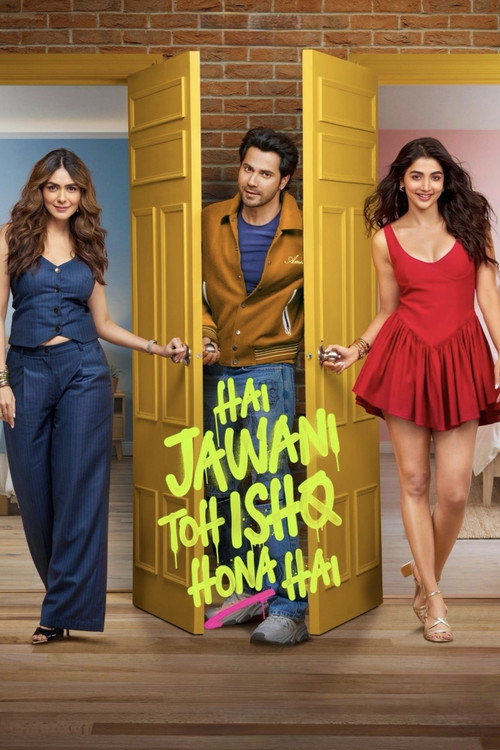
Collaboration Network
The Constellation
Top 10 most-paired collaborators. Bubble size and line thickness reflect how many films they share with David Dhawan.
Career Analytics
Genre Breakdown
Language Distribution
Films by Decade
Top Co-Actors
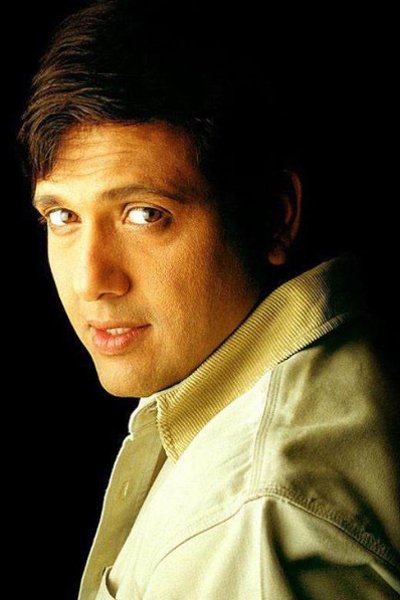
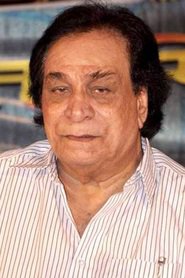
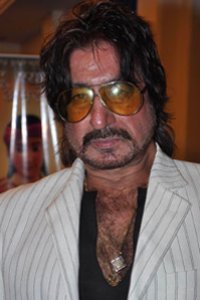
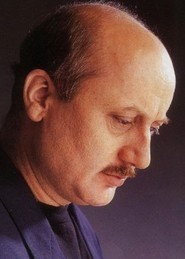
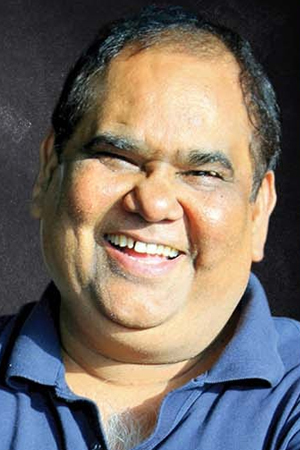
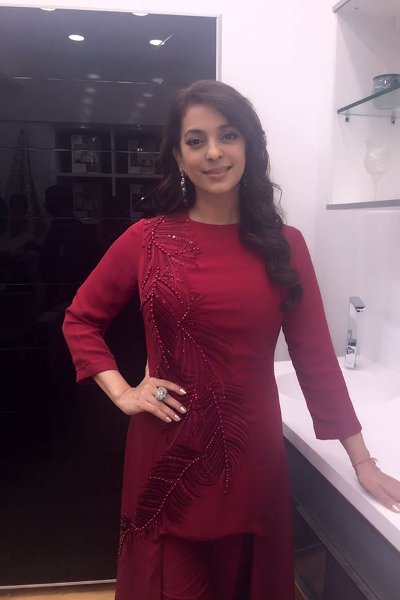
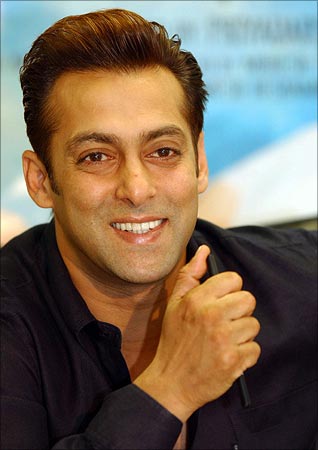
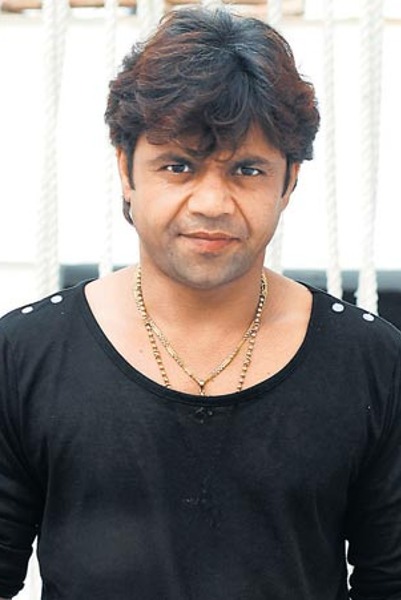
See all →David Dhawan has worked most frequently with Govinda (16 films), Kader Khan (16 films), Shakti Kapoor (13 films), Karisma Kapoor (10 films), and Anupam Kher (8 films).


Did You Know?
David Dhawan is a prominent Bollywood director known for his comedy films, often referred to as the 'King of Comedy' in the 1990s and early 2000s.
He is the father of actors Varun Dhawan and Rohit Dhawan, and husband to actor Karisma Kapoor's maternal aunt, Laali.
He frequently collaborated with actor Govinda in the 1990s, creating a highly successful director-actor duo with hits like 'Coolie No. 1' and 'Hero No. 1'.
His film 'Mujhse Shaadi Karogi' (2004) starred Salman Khan, Akshay Kumar, and Priyanka Chopra and was a major commercial success.
He directed the 1993 film 'Aankhen', which starred Govinda, Chunky Pandey, and Raj Babbar, and was a major box office hit.
Legacy & Influence
David Dhawan is a prominent Indian film director and editor, best known for his prolific and influential career in Hindi commercial cinema, particularly in the comedy genre. Emerging as a director in the late 1980s, Dhawan found his signature style in the 1990s, a decade he dominated with a string of highly successful, mass-appeal comedies. His work is characterized by fast-paced narratives, slapstick humor, witty dialogue, catchy music, and a formula that reliably entertained a wide audience. He played a pivotal role in defining the 'masala' entertainer of the 1990s and early 2000s, creating a distinct sub-genre often referred to as the 'David Dhawan comedy'. His films frequently featured recurring actor pairings, most notably with Govinda and Salman Khan, collaborations that produced some of the biggest box office hits of their time and became synonymous with his brand of cinema. Movies like 'Coolie No. 1', 'Hero No. 1', 'Biwi No.1', 'Haseena Maan Jaayegi', and 'Partner' are not just successful films but cultural touchstones, with dialogues and songs that remain popular. His contribution lies in his mastery over the commercial formula and his understanding of the pulse of the mainstream audience. He demonstrated an ability to adapt successful South Indian films for the Hindi market and later navigated the industry's shifts by working with newer generations of stars. While his films were often critiqued by some for their perceived lack of depth, their undeniable commercial success and enduring popularity on television underscore their significant impact. David Dhawan's career represents a major strand of post-liberalization Bollywood—unabashedly commercial, focused on entertainment, and immensely successful. He created a durable template for comedy that influenced numerous filmmakers and solidified the star-driven, high-energy comedy as a staple of Indian popular cinema.