Vijayakanth & Vinu Chakravarthy Movies Together List — 8 Films
Complete Movies List & Collaboration History
Last updated: 2026-07-13 · Data sources: Wikipedia, TMDB
Vijayakanth and Vinu Chakravarthy appeared together in 8 Tamil films between 1984 and 2004. Their highest-rated collaboration was Neranja Manasu (2004 — 6.5/10). Films span Idhu Enga Boomi (1984) through Neranja Manasu (2004).
The Vijayakanth & Vinu Chakravarthy partnership
After 8 years apart, they came back together for Dharma (1998). They saved their best for last — Neranja Manasu (6.5/10) came 20 years in. Their work runs across 3 decades of Tamil cinema.
They didn't share a set between 1990 and 1998. From Idhu Enga Boomi (1984) to Neranja Manasu (2004).
The shape of the work
The 1980s belonged to Ullathil Nalla Ullam; the 2000s to Neranja Manasu. Vijayakanth acted in every film; Vinu Chakravarthy acted in all of them. Strictly Tamil cinema — they never crossed industries together.
Partnership facts
- Vijayakanth personally requested Vinu Chakravarthy to write the dialogues for 'Idhu Enga Boomi' (1984) after being impressed by his work in a stage play. That film became their first collaboration and launched a 20-year partnership.
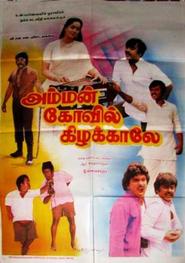
- In 'Amman Kovil Kizhakale' (1986), Vinu Chakravarthy wrote a key confrontation scene specifically to showcase Vijayakanth's ability to switch from calm to explosive anger in a single take. Vijayakanth shot it in one go, and the crew reportedly applauded.
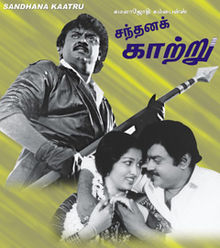
- Vinu Chakravarthy often stayed at Vijayakanth's house during the shooting of 'Santhana Kaatru' (1990) because the location was far from his own home. They would rewrite scenes together late into the night.
- The success of 'Dharma' (1998) directly led to Vinu Chakravarthy being offered the role of a villain in a major Rajinikanth film the following year — a career shift he credited to Vijayakanth insisting he play the antagonist in that film.
- Vinu Chakravarthy once said in an interview: 'Vijayakanth never treated me like a supporting actor. He would ask my opinion on every scene, even if I wasn't in it. That's why I gave him my best writing.'
- In 'Gajendra' (2004), their last film together, Vinu Chakravarthy improvised a comedic line during a serious scene. Vijayakanth, who was directing, kept it in the final cut because it broke the tension exactly the way he wanted.
8 films across 3 decades
The 1980s accounted for 3 films, averaging 4.6/10.
The 1990s accounted for 3 films, averaging 4.2/10.
The 2000s accounted for 2 films, averaging 6.2/10.
- Ullathil Nalla Ullam
- Amman Kovil Kizhakale
- Dharma
- Santhana Kaatru
- Neranja Manasu
- Gajendra
The partnership in numbers
Partnership Pattern
8 films across 20 years represents consistent collaboration.
Language Distribution
Linguistic diversity: 1 language, with Tamil being their primary medium.
Where each was in their career
47% of Vinu Chakravarthy's screen credits are with Vijayakanth.
Before Idhu Enga Boomi, Vijayakanth had starred in 17 films, including Parvayin Marupakkam (1982) and Nenjile Thunivirunthal (1981).
After Neranja Manasu, Vijayakanth went on to appear in 12 more films, including Sudesi (2006) and Sabari (2007).
Before Idhu Enga Boomi, Vinu Chakravarthy had starred in 4 films, including Mann Vasanai (1983) and Gopurangal Saivathillai (1982).
After Neranja Manasu, Vinu Chakravarthy went on to appear in 5 more films, including Chinna (2005) and Vaayai Moodi Pesavum (2014).
Collaboration Journey
A chronological view of Vijayakanth & Vinu Chakravarthy's professional partnership
Actors and musicians who worked on most of their films
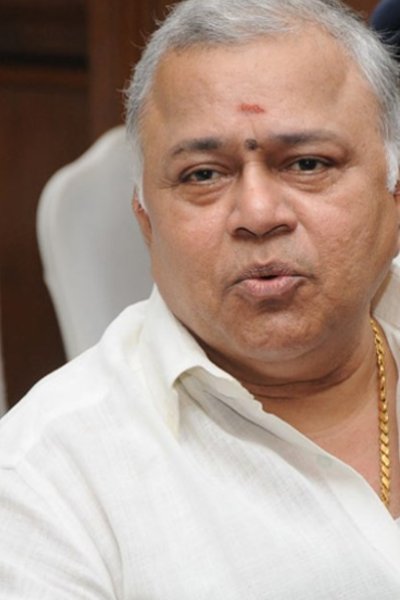
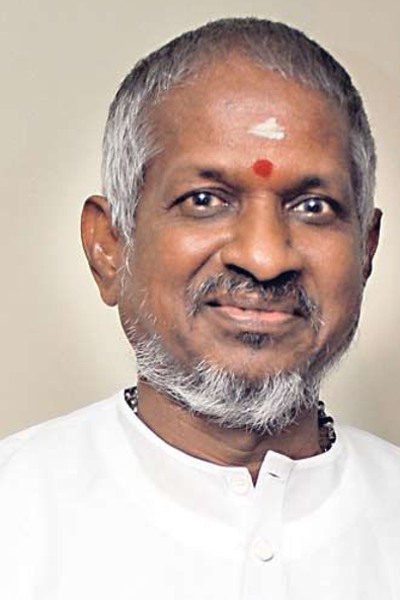
Radha Ravi is the through-line — cast on 4 of their 8 films. Radha Ravi appears alongside them in 4 films — practically a third lead. Ilayaraja scored 3 of them.
 4
4 4
4 3
3 2
2 2
2 2
2 2
2 2
2






 3
3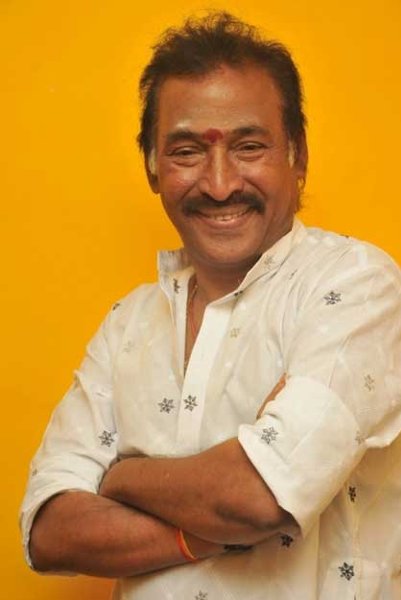 22
22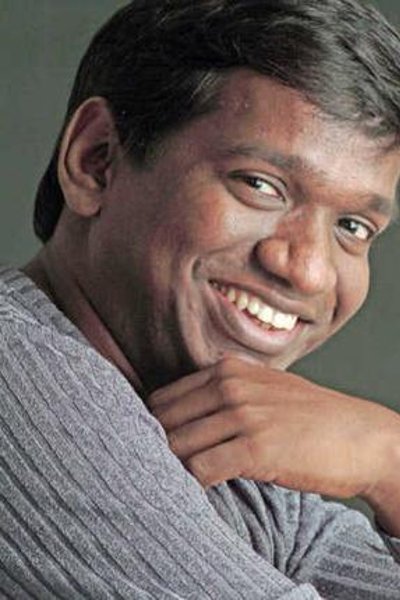
Other iconic Tamil director-actor duos
Discover other partnerships with comparable filmographies and ratings