
Laya
Laya is an Indian actor, best known for Tamil cinema. Laya began their career in 2000 and has been a prominent figure in the industry for over 26 years. With 30 credits to their name, Laya remains one of the most prolific and celebrated talents in the industry. Spanning 20+ years, Laya's career remains one of the longest and most celebrated in Tamil cinema.
- Born
- Age
- 44
Biography
Laya (born October 21, 1981, in Vijayawada, Andhra Pradesh) is an Indian actress and trained Kuchipudi dancer who worked primarily in Telugu cinema during the 2000s. She gained recognition with Manoharam (2000) and Preminchu (2001), winning three Nandi Awards including Best Actress and a Special Jury Award in consecutive years. Her film career includes prominent Telugu productions such as Missamma (2003), Swarabhishekam (2004), Gajendra (2004), and Chanakya (2005), alongside appearances in Malayalam, Kannada, and Tamil films. After marrying in 2006 and relocating to the United States to work in IT, she made a comeback with Thammudu (2025).
Career Milestones
Film debut as lead actress
Nandi Award for Best Actress
View film →Nandi Award for Best Actress (consecutive year)
View film →Breakthrough role showcasing classical dance in K. Viswanath film
View film →Retired from acting after marriage and relocated to the US
Iconic Roles
Preminchu
A resilient blind college student navigating love and independence; the role earned Laya her second consecutive Nandi Award for Best Actress.
Manoharam
Romantic lead in an action-drama opposite Jagapati Babu involving personal and patriotic conflict; won Laya the Nandi Award for Best Actress.
Swayamvaram
Breakthrough lead role that marked her arrival as a prominent Telugu actress, earning her the Nandi Special Jury Award.
Chanakya
Played the character Anjali in this action film, one of her notable supporting roles in the mid-2000s.
Missamma
Appeared in this well-received family drama showcasing her versatility, with the film earning a 7.1 rating on IMDb.
Defining Moments
Laya's emotionally layered performance as the female lead in Manoharam, portraying a woman navigating complex relationships with restraint and depth — a role that earned her the Nandi Award for Best Actress.
Won Laya the Nandi Award for Best Actress, establishing her as a serious dramatic actress in Telugu cinema early in her career.
View film →Her lead performance in Preminchu, delivering a nuanced portrayal of love and sacrifice that impressed critics and audiences alike.
Won her a second consecutive Nandi Award for Best Actress, making her one of the rare actresses to win the award back-to-back, cementing her reputation as a top dramatic performer in Tollywood.
View film →Her comedic and energetic portrayal of Ratna Mala in Missamma, holding her own alongside the film's ensemble cast in a commercially successful entertainer.
Demonstrated her versatility beyond dramatic roles; Missamma was a major commercial hit, broadening her mainstream appeal.
View film →Her performance as Anjali in Chanakya, playing a key role in the action-drama narrative opposite the lead cast.
Showed her sustained presence in Telugu mainstream cinema even as she transitioned from lead to strong supporting roles.
View film →Laya by the Numbers
If you watched every Laya film back-to-back, you'd be at it for roughly 2 days and 10h. Most-paired with M. S. Narayana — 7 films together.
Filmography
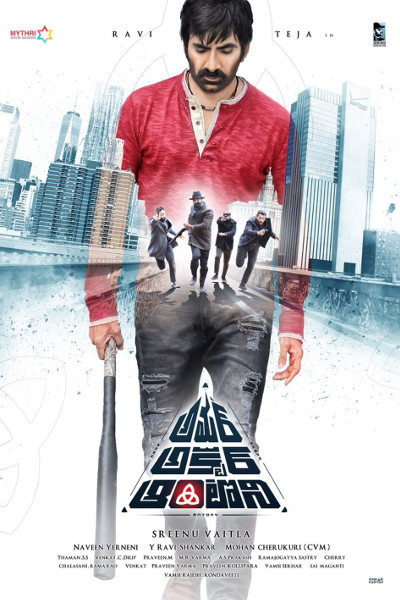
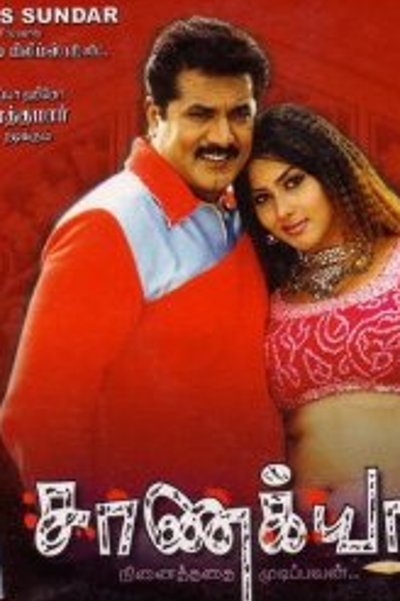
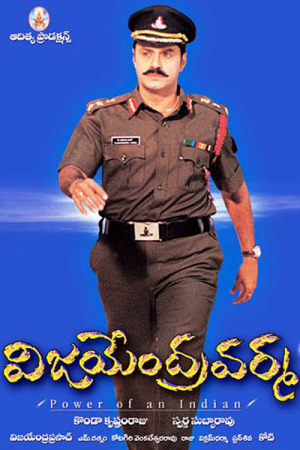
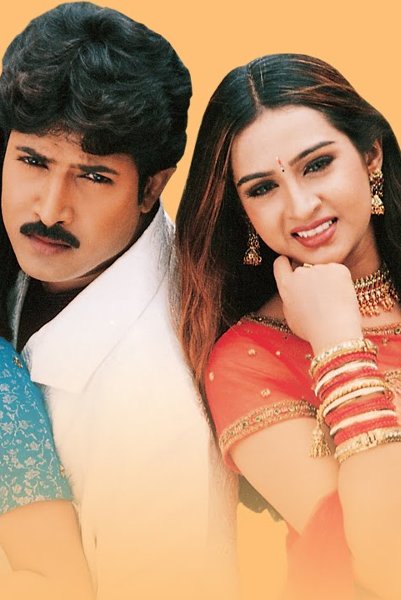
See all 30 credits →


Collaboration Network
The Constellation
Top 10 most-paired collaborators. Bubble size and line thickness reflect how many films they share with Laya.
Career Analytics
Genre Breakdown
Language Distribution
Films by Decade
Top Co-Actors
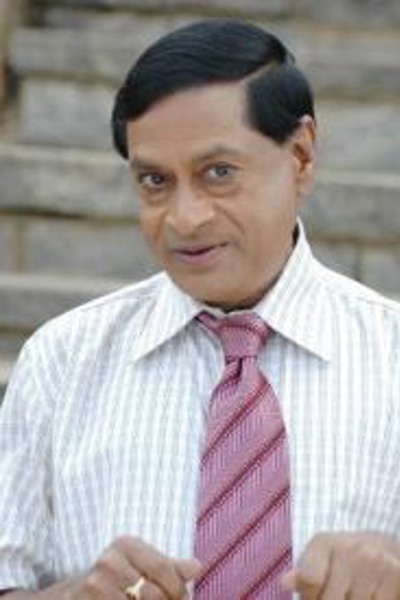
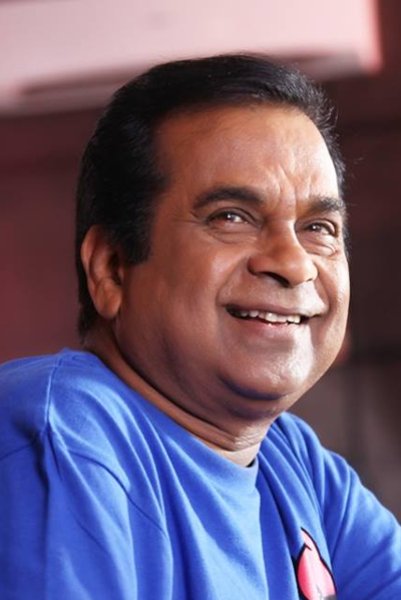
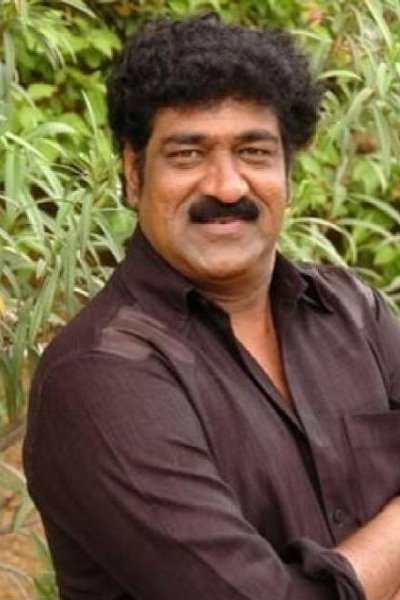
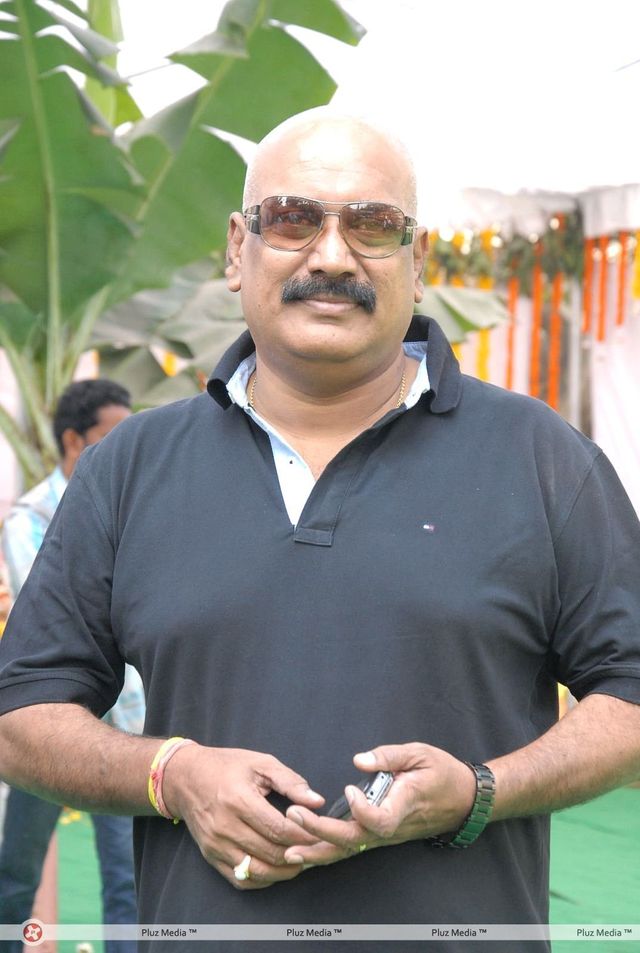
See all →Laya has worked most frequently with S. V. Krishna Reddy (2 films), M. S. Narayana (7 films), Brahmanandam (6 films), Meka Srikanth (5 films), and Jagapathi Babu (3 films).






Legacy & Influence
Laya is a Telugu actress whose career in the early 2000s contributed to the vibrant landscape of South Indian cinema during a period of transition. Emerging around the year 2000, she appeared in several films that, while not major commercial blockbusters, were part of the steady output of Telugu cinema appealing to regional audiences. Her filmography, including titles like 'Manoharam' (2000), 'Preminchu' (2001), and 'Nuvvu Leka Nenu Lenu' (2002), represents her active participation in the industry during this era. These films often featured ensemble casts and explored familiar genres of family drama and romance, where Laya's roles, though frequently not leading, added to the narrative fabric. Her presence in multiple projects within a short span indicates a period of consistent work, contributing to the industry's need for reliable supporting performers. While her career trajectory was not marked by superstar fame or iconic, trendsetting roles, her work forms a part of the broader ecosystem of early 2000s Telugu cinema, a time that saw the rise of new technical standards and narrative experiments. Her contributions, therefore, lie in her participation as a working actress during a specific cinematic period, helping to populate films that entertained regional audiences and supported the industry's continuous production cycle. Without a long-standing or highly visible career, her impact is more contextual, remembered by dedicated followers of that era's cinema rather than leaving a transformative mark on the art form or its commercial paradigms.